Editor's brief
Fast fashion creates a cycle of waste, but viewing a wardrobe as a collection of raw materials changes everything. Using simple tools and techniques like visible mending and natural dyeing, old garments become personal expressions of style rather than disposable commodities.
#Upcycling
#Slow fashion
#Sustainable style
#DIY clothing
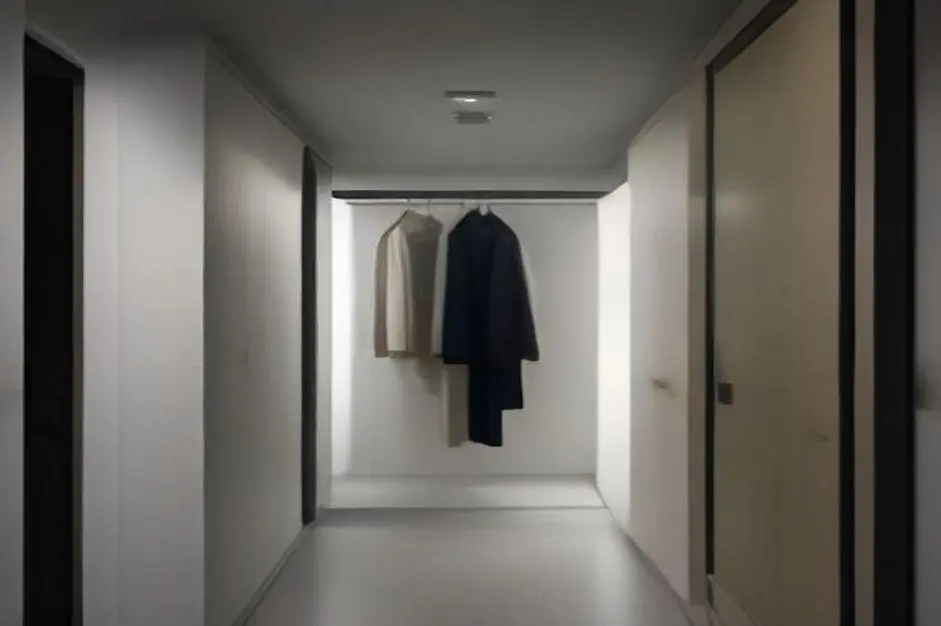
Most of us maintain a "graveyard" section in our closets—pieces we once loved but can no longer justify wearing because the silhouette feels dated or a single frayed hem makes them feel obsolete. This stagnation often leads to a cycle of linear consumption, where we replace functional garments with new ones, fueling a fast-fashion machine that prioritizes speed over substance. When we look at the mountains of discarded textiles accumulating in the Atacama Desert, it becomes clear that the most sustainable garment is the one already hanging in our wardrobe [1]. Shifting our perspective from consumer to curator allows us to see these dormant clothes not as waste, but as raw material. Viewing a closet as a canvas transforms the act of dressing into creative expression. In the fine arts, the process of pentimento—where an artist paints over a previous layer, leaving a ghostly trace of the original work—adds depth and history to a piece. Upcycling operates on a similar logic. Whether cropping a vintage oversized shirt or tea-dyeing a faded cotton dress, you are adding a layer of personal narrative. This transition mirrors a broader cultural movement toward slow fashion, where value is measured by the effort invested in upkeep rather than a brand name. The Curator's Toolkit A jagged edge is the quickest way to make a customized garment look accidental rather than intentional. The most fundamental tool for a wardrobe refresh is a pair of dedicated fabric shears. Unlike multipurpose...
Most of us maintain a "graveyard" section in our closets—pieces we once loved but can no longer justify wearing because the silhouette feels dated or a single frayed hem makes them feel obsolete. This stagnation often leads to a cycle of linear consumption, where we replace functional garments with new ones, fueling a fast-fashion machine that prioritizes speed over substance. When we look at the mountains of discarded textiles accumulating in the Atacama Desert, it becomes clear that the most sustainable garment is the one already hanging in our wardrobe [1]. Shifting our perspective from consumer to curator allows us to see these dormant clothes not as waste, but as raw material.
Viewing a closet as a canvas transforms the act of dressing into creative expression. In the fine arts, the process of pentimento—where an artist paints over a previous layer, leaving a ghostly trace of the original work—adds depth and history to a piece. Upcycling operates on a similar logic. Whether cropping a vintage oversized shirt or tea-dyeing a faded cotton dress, you are adding a layer of personal narrative. This transition mirrors a broader cultural movement toward slow fashion, where value is measured by the effort invested in upkeep rather than a brand name.
The Curator's Toolkit
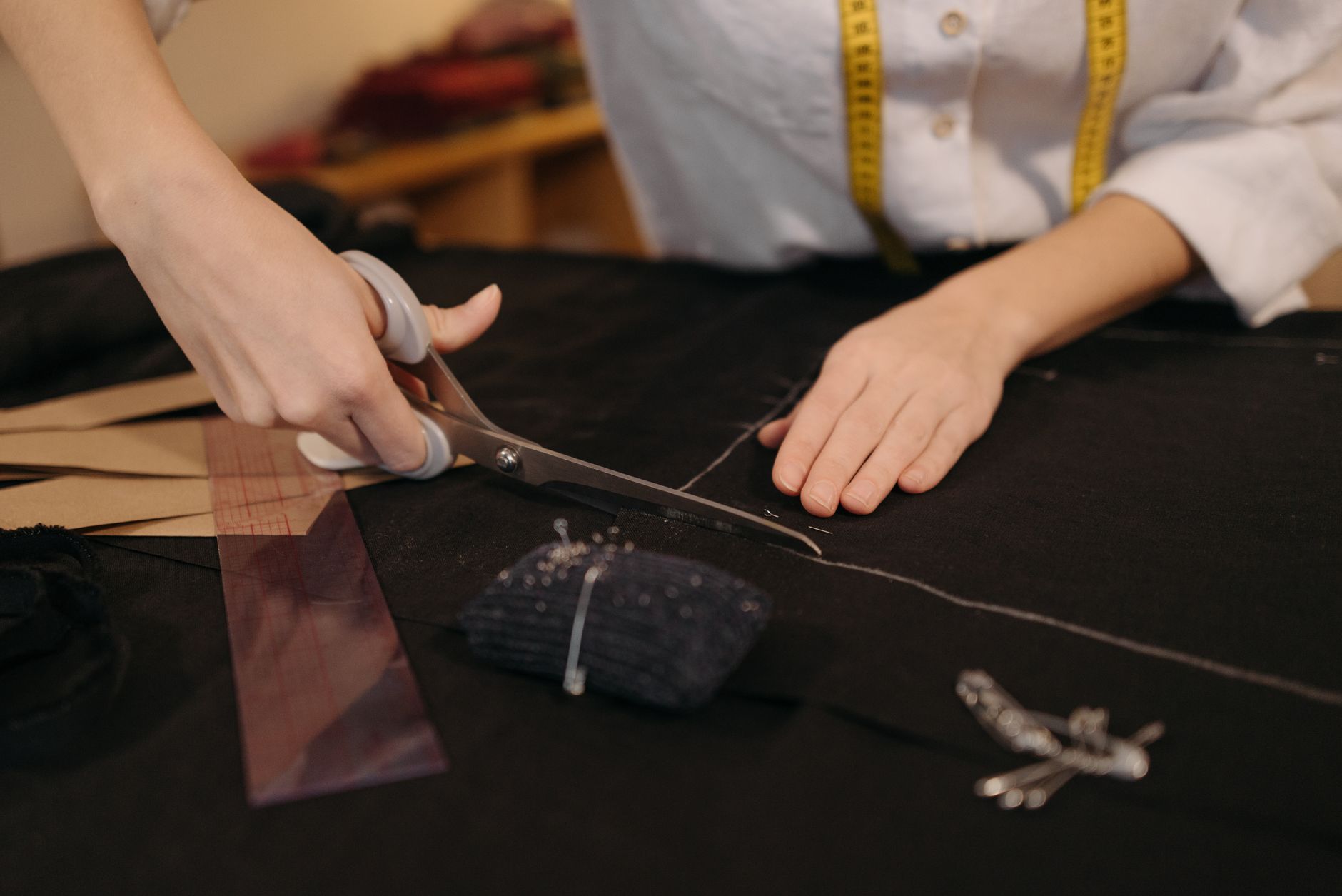
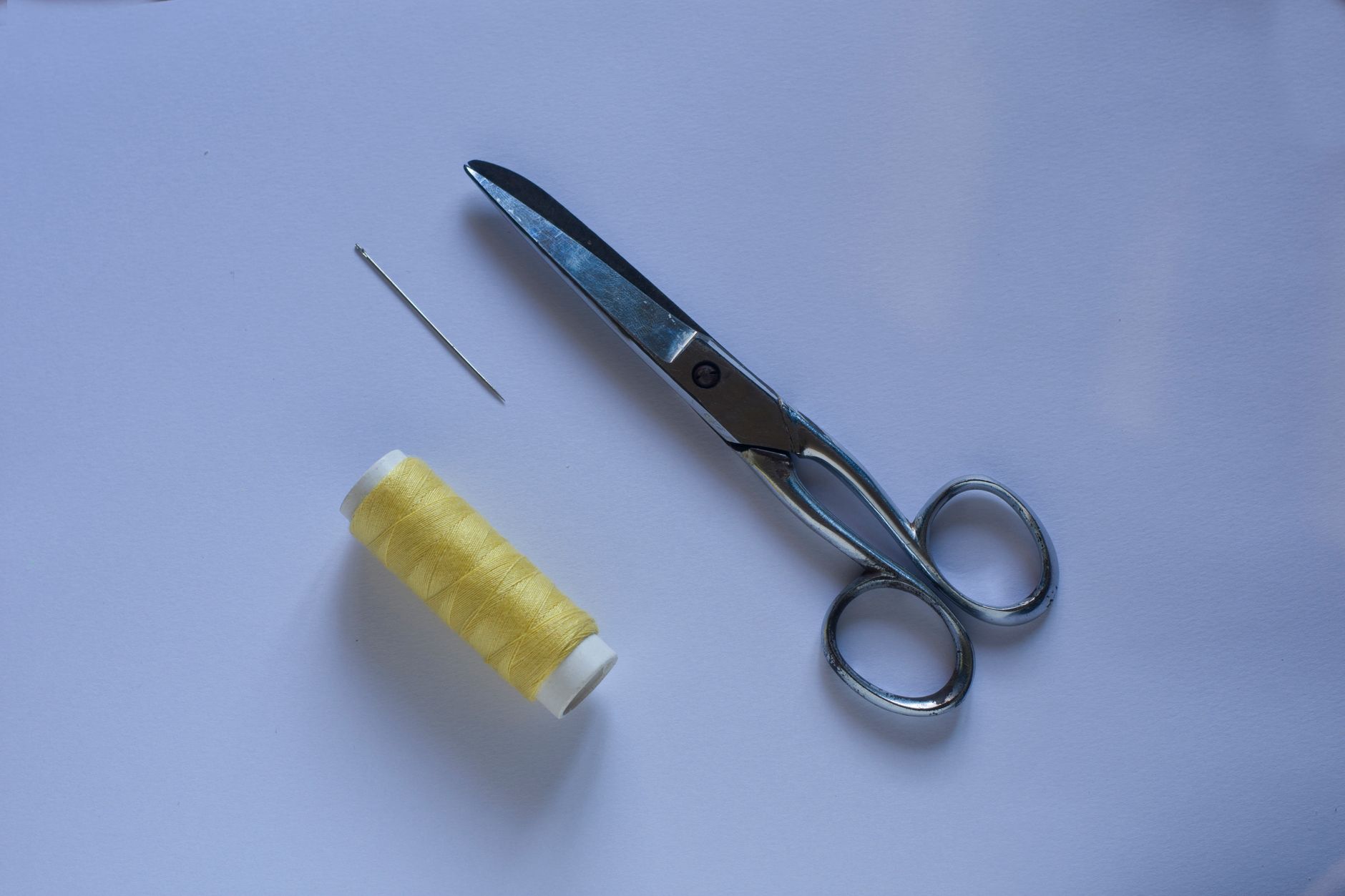
A jagged edge is the quickest way to make a customized garment look accidental rather than intentional. The most fundamental tool for a wardrobe refresh is a pair of dedicated fabric shears. Unlike multipurpose scissors, high-quality shears provide a clean, decisive cut that respects the grain of the fabric, which is essential when cropping a vintage tee or reshaping wide-leg trousers.
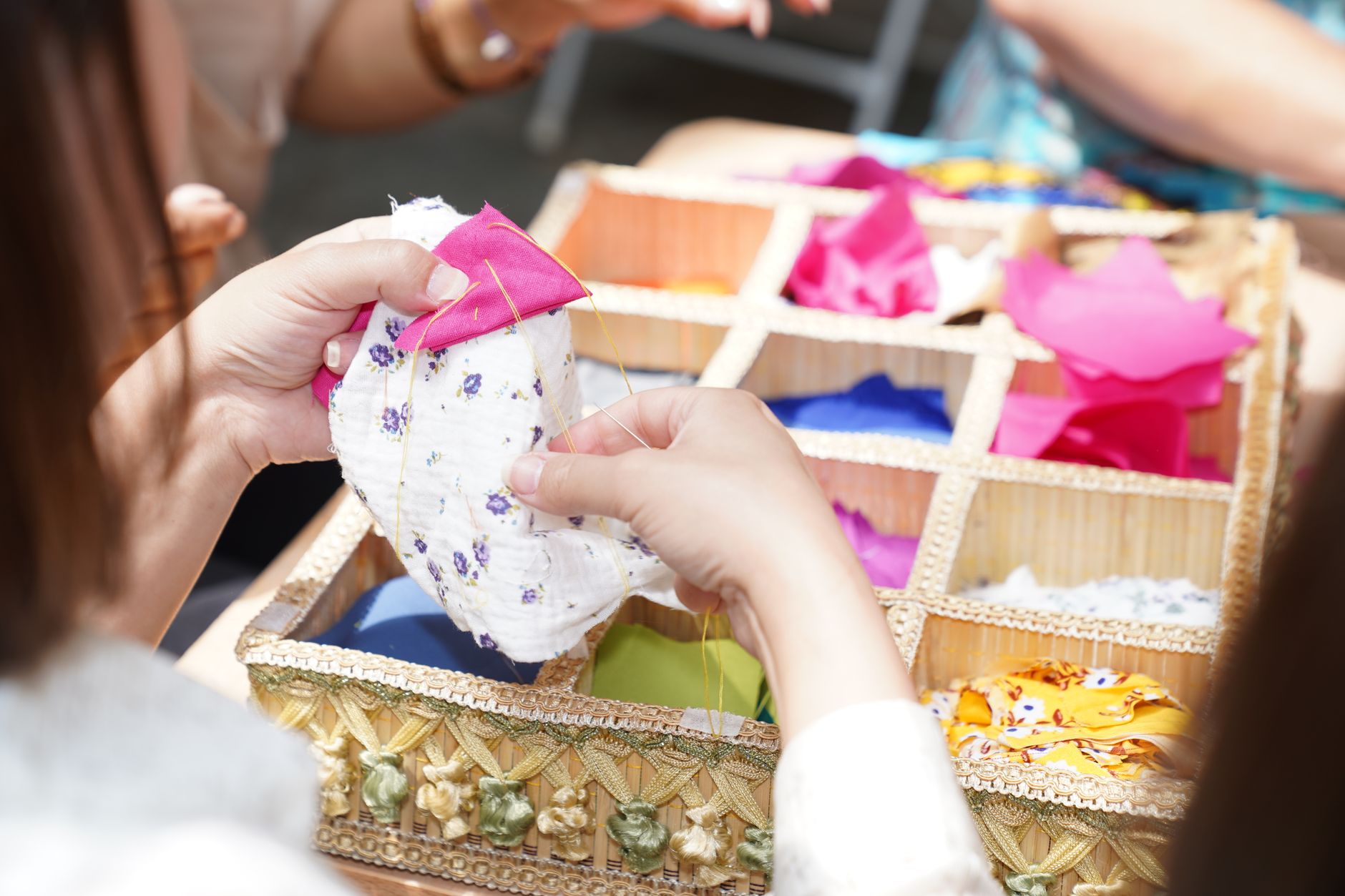
For assembly and repair, a basic sewing kit with a spectrum of thread colors allows for a choice between invisible repairs and "visible mending." This approach, popularized by the Japanese art of Sashiko, celebrates the repair rather than hiding it, turning a tear into a deliberate design element. For those who find needles intimidating, modern fabric adhesives offer a flexible bond that withstands the movement of the body and the agitation of a washing machine, making them efficient for applying patches or decorative trim.
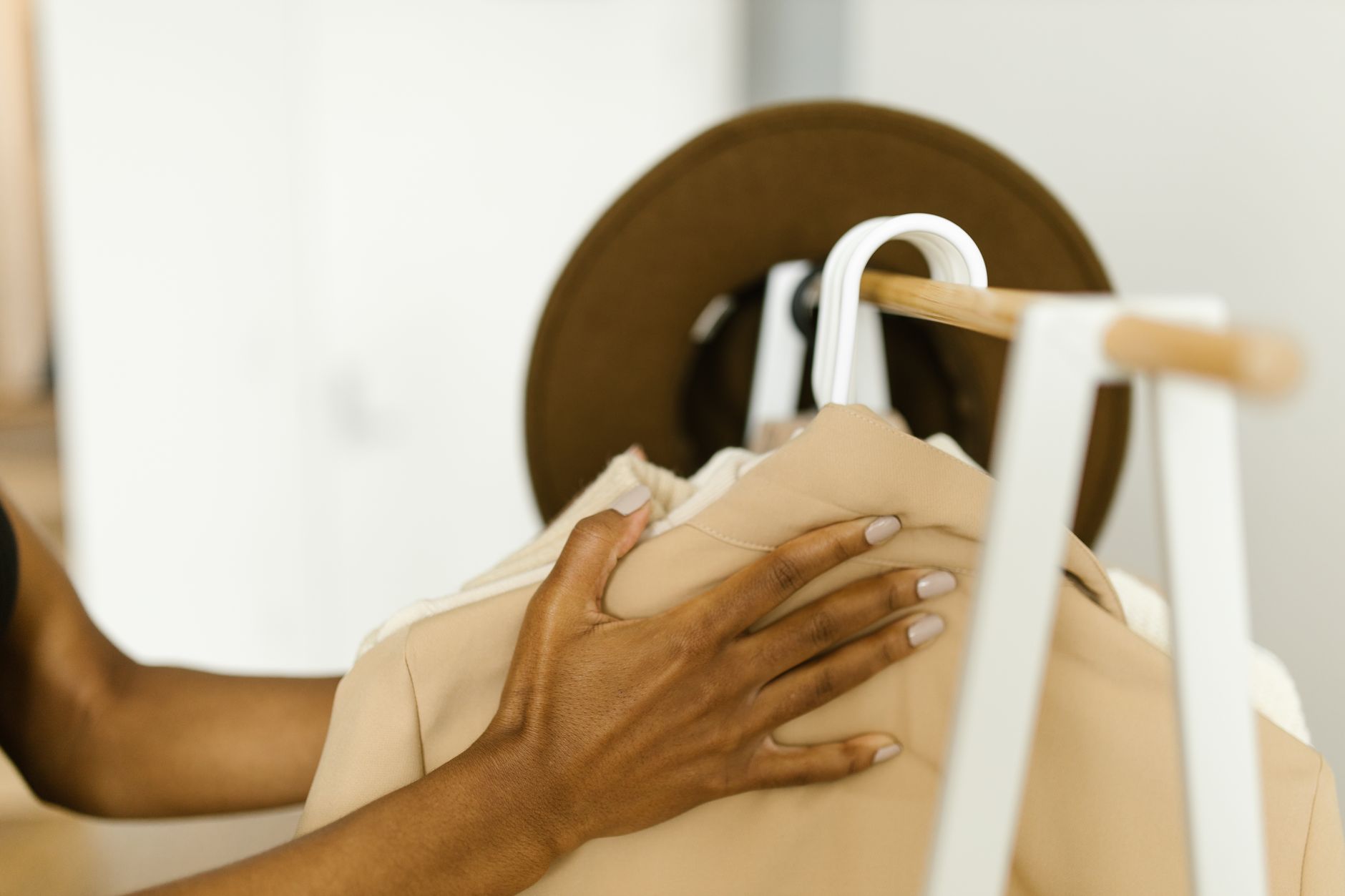
True transformation often requires subtraction. A seam ripper allows for the surgical removal of unwanted elements—such as a bulky pocket on a blazer or an outdated hemline—without damaging the surrounding weave. Similarly, fabric markers and acrylics mixed with a textile medium allow a garment to function as a canvas, ensuring the art moves with the cloth rather than cracking. To avoid asymmetrical results, a flexible measuring tape is non-negotiable; fabric drapes differently on the body than it does on a table, making the "measure twice, cut once" rule essential.
Reimagining Denim
Denim is perhaps the only fabric that earns more respect as it falls apart. Because of its heavy-duty weave, it is an ideal medium for structural experimentation. Flared jeans from a previous decade can be modernized by cropping the length and leaving the hem raw. This "deconstructed" aesthetic, mirrored in the archival work of designers like Maison Margiela, allows the fabric to fray naturally over time, turning a rigid pant into a relaxed staple.
Surface manipulation offers another path to renewal. Bleach pens allow for precise, subtractive drawing, stripping the indigo away to reveal the white core of the yarn. If the denim has faded beyond interest, fabric dyes in deep charcoal or midnight navy can mask years of wear, giving the garment a saturated, intentional look. When a knee blows out, the tradition of Boro—patching textiles to extend their life—transforms a flaw into a focal point. Using a thick, cream-colored thread against dark indigo highlights the garment's architecture.
When trousers are no longer wearable as pants, the fabric remains a resource. By removing inner leg seams and overlapping the material, old jeans can be reconstructed into a mini skirt, preserving the original pockets and waistband. This approach responds to the environmental toll of denim production, which is notoriously water-intensive [2]. Extending the lifecycle of a single pair of jeans reduces the demand for new cotton and keeps synthetic blends out of the waste stream.
Reviving Basics and Knits
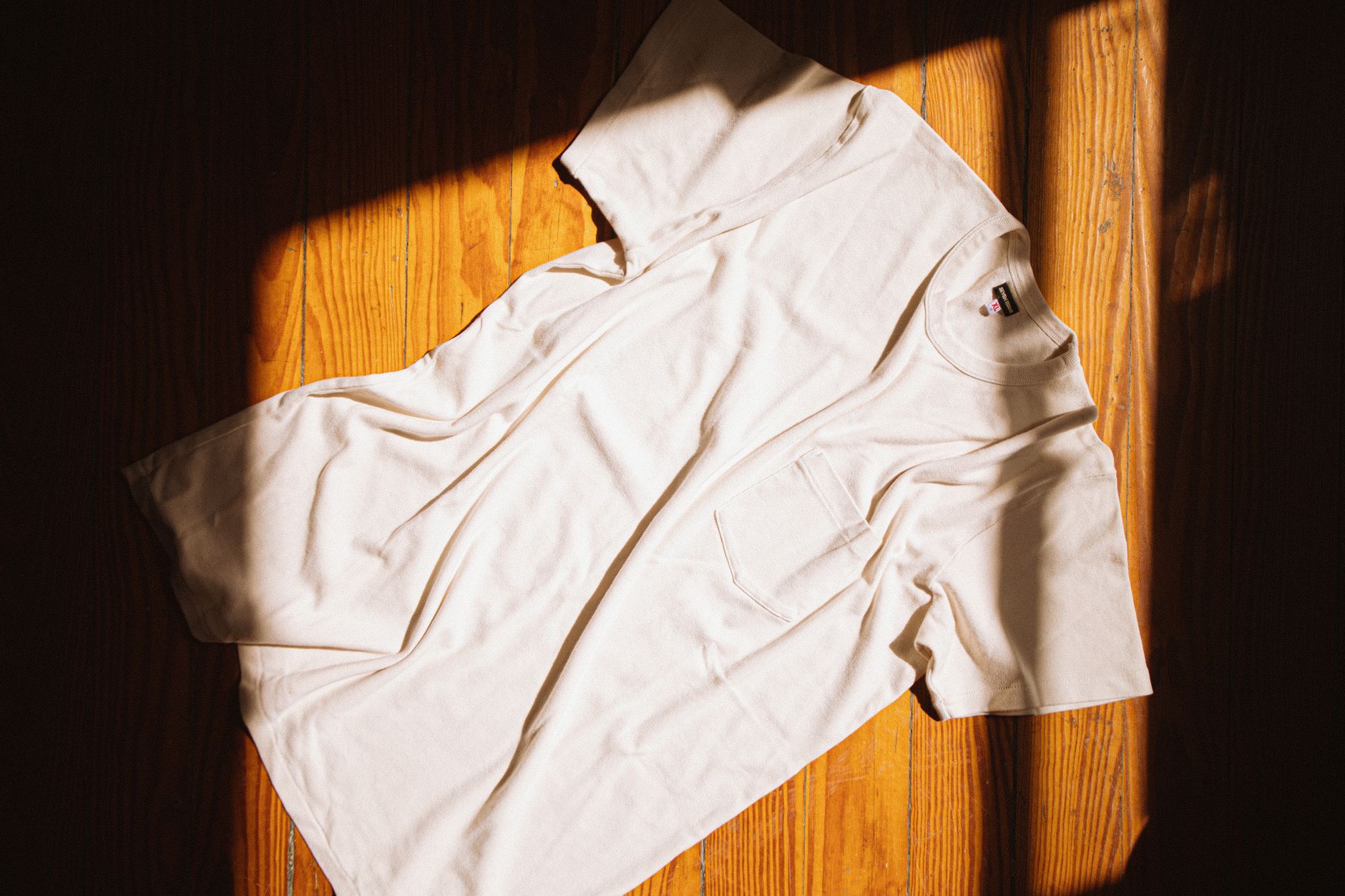
The white t-shirt is a democratic blank canvas. When a basic tee feels tired, cutting the hem to create a cropped silhouette alters the garment's proportions and shifts the visual weight, allowing it to pair better with high-waisted trousers. Widening the armholes to create a muscle tee transforms a boxy fit into something more fluid. In humid urban environments, introducing small, strategic vertical slits into the back of a shirt acts as a vent, improving airflow during a commute.
Adding color to a faded knit does not require harsh synthetic pigments. Using kitchen staples—such as turmeric for mustard yellow or coffee grounds for earthy sepia—creates natural tie-dye effects. These botanical dyes produce soft, irregular washes of color that feel more grounded than neon synthetic swirls. For a more intimate touch, a small, hand-embroidered motif on the chest breaks the monotony of a plain shirt, transforming a mass-produced item into a one-of-a-kind piece.

The transition from a worn-out crewneck sweater to an oversized cardigan is a lesson in reimagining silhouette. By carefully opening the center seam from the neckline down, a closed, sporty garment becomes a layering piece. This change in architecture allows the wearer to pair a heavy knit over a slip dress or a crisp button-down, evolving the piece into a versatile staple for a transitional wardrobe.
The Art of the Remnant
The scrap bin is often a chaotic accumulation of textile remnants too small to save but too precious to discard. Following the philosophy of Boro, these fragments can function as the punctuation marks of an outfit. A patchwork scrunchie, created by sewing together mismatched strips of structured poplin and fluid satin, introduces a clash of textures that aligns with the current lean toward maximalism.
Jersey knit from old t-shirts curls inward when cut into strips, making it ideal for braided headbands that utilize the fabric's natural elasticity. Larger remnants, such as the legs of discarded leggings, can be converted into utility totes by closing one end with a running stitch and adding straps from the waistband. This shift toward utilitarianism emphasizes the beauty of repurposing heavy-duty materials for urban use.
Adding romanticism is as simple as raiding remnants of ribbon or lace. A bohemian-style choker crafted from vintage lace introduces a delicate contrast to a rugged oversized blazer or denim jacket. This interplay of hard and soft elements allows a few inches of scrap material to shift the entire mood of a silhouette, achieving a bespoke look without financial investment.
Archiving and Preservation
Preserving a custom piece requires treating clothing as wearable art rather than a disposable commodity. When using acrylics and fabric mediums, heat setting with a dry iron is essential to lock pigments into the fibers. Even then, garments should be turned inside out during washing to protect the design from abrasive friction.
Temperature is the primary enemy of saturation. Warm water expands fibers, allowing pigment molecules to escape and colors to bleed. A cold wash cycle is the safest option, particularly for natural dyes. The mechanical violence of a tumble dryer can pull loose hand-stitched seams or distort the silhouette; air drying—or drying knits flat on a towel—is the only way to ensure structural integrity.
Longevity also depends on how we handle wear and tear. Rather than viewing a rip as a failure, visible mending turns the repair into a decorative element. By treating a tear as an opportunity for further customization, the garment evolves alongside the wearer. Maintaining a simple project log—tracking dye brands, iron temperatures, and successful wash cycles—turns random experiments into a refined skill set, allowing you to design with intention.
Conclusion
Upcycling is more than a set of clothing hacks; it is a meaningful rebellion against a culture of excess. By shifting from a passive consumer to an active creator, we replace the fleeting dopamine hit of a new purchase with a sustained sense of autonomy and pride. Every stitch that saves a garment from a landfill proves that style is not about possessing the most, but about making the most of what we already own.
To begin your own wardrobe refresh, start small. Rather than attempting to reconstruct an entire blazer, begin with a low-stakes modification: change a button, crop a hem, or add a single embroidered detail. The joy of the process lies in the margins, and these modest changes are often the most effective way to rediscover the potential of your existing wardrobe.
References
- United Nations Environment Programme, "The environmental cost of fast fashion," 2023.
- World Wildlife Fund, "The impact of denim production on water resources," 2021.

Hey there, I’m Serena Tan. With a background in Fine Arts and over 6 years diving deep into culture and fashion columnist highlighting how art, design, and style trends reflect identity, cities, and social change., I try to bring a personal touch to every piece I write—grounded, clear, and real.