
Editor's brief
Physical independence in later life depends on a strategic balance of resistance training and mobility work. By prioritizing safety and progressive movement, older adults can counteract muscle loss and prevent falls, ensuring that daily activities remain accessible and enjoyable.
#Active aging
#Senior fitness
#Functional strength
#Mobility
Maintaining physical strength and independence is less about reclaiming the past and more about empowering your future. For older adults, fitness is the primary tool for "active aging"—a strategic approach to preserving functional independence and quality of life rather than chasing athletic records or aesthetic ideals [1, 2]. By adopting a structured, safe, and progressive movement plan, you can enhance your confidence, protect your joints, and ensure that the activities you love remain accessible and enjoyable. Getting Started Safely: Your Fitness Prerequisites A successful fitness journey begins with a foundation of safety. Establishing clear boundaries ensures that your routine supports your health without introducing unnecessary risk. Complete these prerequisites in the following order: Medical Clearance: Consult a primary healthcare provider to evaluate your cardiovascular health and joint integrity. This ensures your activity choices align with your specific medical history [1, 2]. Baseline Mobility Check: Assess your current range of motion through a self-check or with a professional. Identifying current limitations allows you to modify exercises so they provide a productive challenge without causing strain. Equipment Assembly: Secure low-impact tools to stabilize your movements. Essential items include sturdy, non-slip chairs for balance, resistance bands with varying tension levels, and supportive athletic footwear to ensure stability and arch support. Prioritizing...
Maintaining physical strength and independence is less about reclaiming the past and more about empowering your future. For older adults, fitness is the primary tool for "active aging"—a strategic approach to preserving functional independence and quality of life rather than chasing athletic records or aesthetic ideals [1, 2]. By adopting a structured, safe, and progressive movement plan, you can enhance your confidence, protect your joints, and ensure that the activities you love remain accessible and enjoyable.
Getting Started Safely: Your Fitness Prerequisites
A successful fitness journey begins with a foundation of safety. Establishing clear boundaries ensures that your routine supports your health without introducing unnecessary risk. Complete these prerequisites in the following order:

- Medical Clearance: Consult a primary healthcare provider to evaluate your cardiovascular health and joint integrity. This ensures your activity choices align with your specific medical history [1, 2].
- Baseline Mobility Check: Assess your current range of motion through a self-check or with a professional. Identifying current limitations allows you to modify exercises so they provide a productive challenge without causing strain.
- Equipment Assembly: Secure low-impact tools to stabilize your movements. Essential items include sturdy, non-slip chairs for balance, resistance bands with varying tension levels, and supportive athletic footwear to ensure stability and arch support.
Prioritizing these steps shifts exercise from a perceived risk to a controlled, empowering practice. This preparation does more than protect the body; it builds the psychological security needed to commit to a sustainable long-term wellness plan.
Building Strength: Resistance Training for Longevity
Resistance training is the most effective intervention to counteract sarcopenia, the natural age-related decline of skeletal muscle mass [1]. To stimulate muscle growth (hypertrophy) and improve neuromuscular adaptation—the efficiency with which the brain signals the muscles to contract—apply these guidelines:
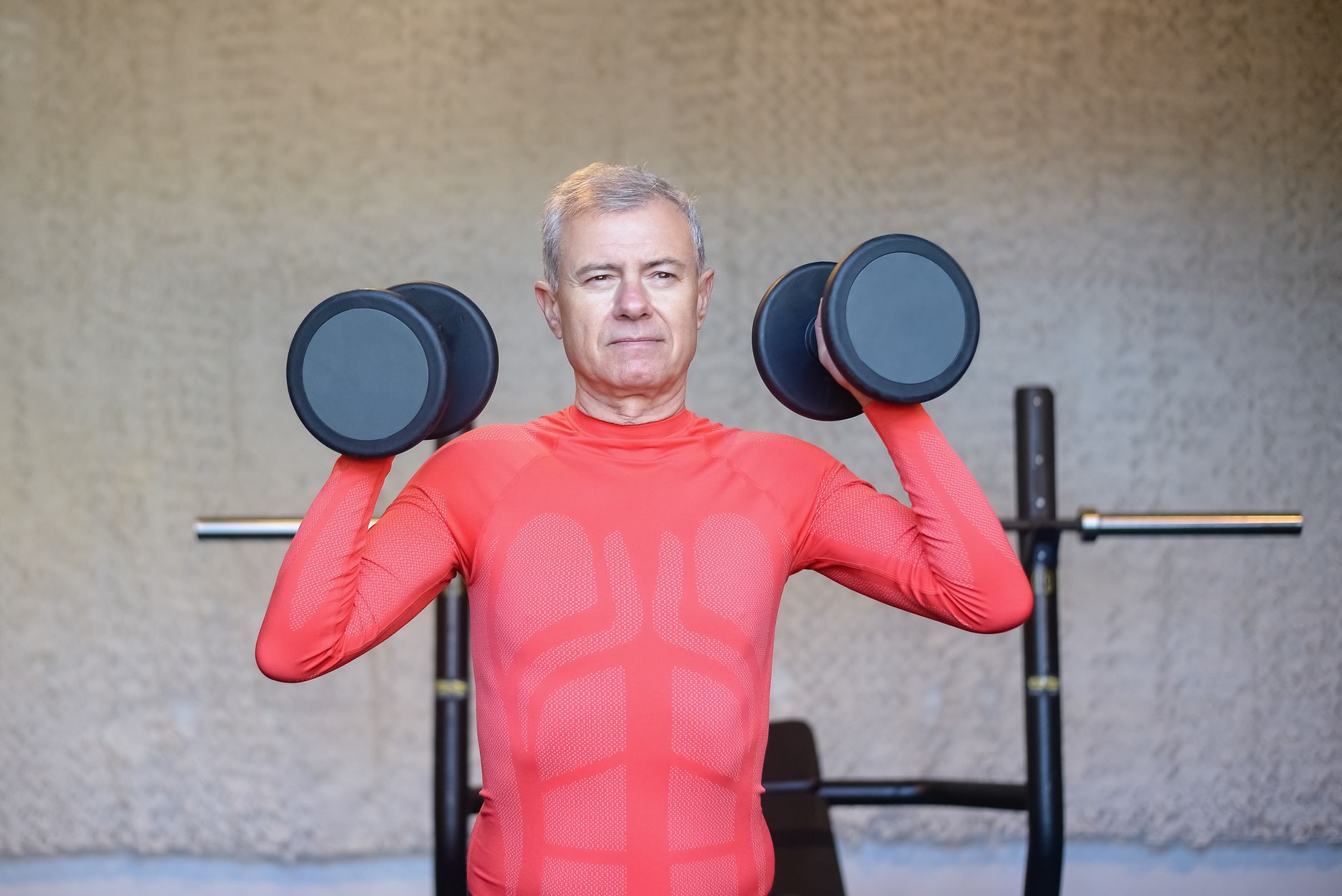
- Frequency and Scope: Perform muscle-strengthening activities at least two days per week [1, 3]. Ensure you target all major muscle groups, including the legs, hips, back, abdomen, chest, shoulders, and arms.
- Progressive Resistance: Begin with body-weight movements, such as chair squats (controlled sitting and standing), to master proper form. Gradually introduce resistance bands or light dumbbells as your strength improves [1].
Consistent strength training yields measurable gains in bone density and the ability to manage daily tasks, such as carrying groceries or rising from a low seat. By focusing on functional strength, you are directly investing in your own autonomy and physical resilience.
Enhancing Mobility and Balance to Prevent Falls
While strength provides the power, mobility and balance provide the control. Improving proprioception—the body's innate ability to sense its position and movement in space—is critical for reducing the risk of falls and injuries [4].

To increase stability and fluidity, integrate the following practices:
- Balance Exercises: Practice heel-to-toe walking (simulating a tightrope) or single-leg stands while keeping a sturdy chair within reach for safety [4].
- Joint-Specific Mobility: Use dedicated drills for the ankles, hips, and shoulders to alleviate stiffness and preserve a full range of motion.
- Dynamic vs. Static Stretching: Use dynamic stretching—active movements that transition joints through their range of motion—during your warm-up. Reserve static stretching (holding a position for 30 seconds or more) for the cool-down phase [5].
The distinction between these stretching methods is vital: preparing joints with active motion reduces the risk of acute strains. This increased stability fosters the confidence required to navigate uneven terrain or stairs without hesitation.
Crafting Your Weekly Routine: Sequence and Progression
In the pursuit of longevity, consistency outweighs intensity. To prevent burnout and overuse injuries, organize your activity into a predictable, sequential format [1, 3]:

- Warm-Up (5–10 Minutes): Begin with low-intensity movement, such as a brisk walk, to increase blood flow and joint lubrication.
- Main Activity (20–30 Minutes): Execute your strength or balance routine. Use the "Talk Test" to gauge intensity: you should be able to carry on a conversation, but not be able to sing [1].
- Cool-Down (5–10 Minutes): Conclude with gentle stretching to gradually lower your heart rate and maintain flexibility.
Muscle strengthening occurs during recovery, not during the workout itself. Because recovery times typically extend with age, schedule at least one full day of rest between strength sessions [3]. Additionally, employ the "10% Rule"—increasing duration or resistance by no more than 10% per week—to ensure steady progress without overloading the system.
Avoiding Pitfalls: Safety Warnings and Common Mistakes
Effective training requires the ability to distinguish between productive effort and harmful strain. Adhere to these critical safety boundaries:
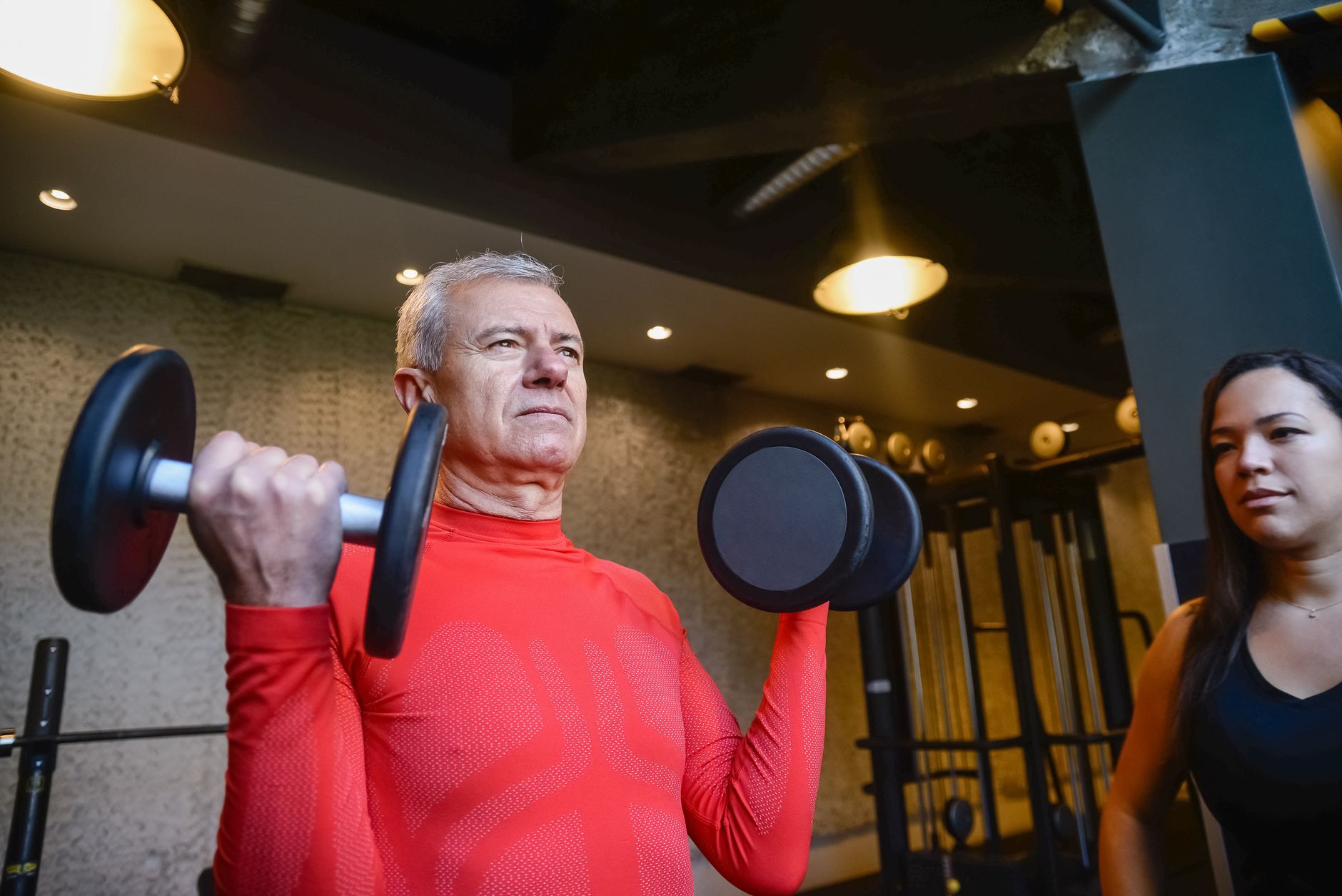
- Pain Recognition: Move past the "No Pain, No Gain" myth. While a mild muscle burn is a normal part of effort, sharp, stabbing, or radiating joint pain is a signal to stop the activity immediately [5].
- Breathing Patterns: Avoid the Valsalva maneuver (holding your breath during exertion), as this can cause dangerous spikes in blood pressure. Maintain a steady, rhythmic breathing pattern through every repetition [2].
- Medical Compatibility: If you have joint replacements or implants, verify that your movements align with your surgeon's specific guidelines; for instance, high-impact jumping is often contraindicated for hip replacements.
- Immediate Red Flags: Stop exercise and seek medical attention immediately if you experience dizziness, chest pain, or extreme shortness of breath [2, 5].
Attuning yourself to these biological signals is a sophisticated part of athletic training. By distinguishing between the challenge of growth and the warning of injury, you ensure your fitness journey remains sustainable and safe for years to come.
References
- National Institute on Aging, 'Exercise and Physical Activity,' National Institutes of Health, 2023. View source.
- Centers for Disease Control and Prevention, 'Physical Activity Basics for Older Adults,' CDC.gov, 2023. View source.
- World Health Organization, 'Physical Activity,' WHO Fact Sheets, Oct. 5, 2022. View source.
- Centers for Disease Control and Prevention, 'STEADI: Stopping Elderly Accidents, Deaths & Injuries,' CDC.gov, 2023. View source.
- Mayo Clinic Staff, 'Exercise: 7 tips for staying active as you age,' Mayo Clinic, 2023. View source.

Hello, I'm Marcus Johnson. Growing up in United States shaped much of how I see the world, and after 15 years working around sports science writer who connects training methods, injury prevention, and performance psychology for athletes and active readers., I’ve learned to write in a way that’s both thoughtful and honest.