Editor's brief
Sustainable home renovation balances aesthetics with environmental impact by focusing on embodied carbon and circular design. Using materials like bamboo, recycled glass, and non-toxic paints reduces ecological footprints while improving indoor air quality and long-term durability.
#Sustainable Design
#Eco-friendly Materials
#Home Renovation
#Green Building
Choosing materials for a home renovation often feels like a balancing act between aesthetics, budget, and durability. Recently, however, a shift toward sustainable home improvement has expanded these criteria to include the environmental cost of the materials themselves. By prioritizing eco-conscious alternatives, homeowners can reduce their ecological footprint without compromising the style or functionality of their living spaces. Defining Sustainable Materials in Home Improvement Sustainable building materials are those designed to reduce carbon emissions, utilize fewer natural resources, and extend the overall lifespan of a structure compared to traditional alternatives [1]. To understand their true impact, it is helpful to distinguish between operational carbon—the energy required to heat, cool, and power a home—and embodied carbon [1]. Embodied carbon represents the total greenhouse gas emissions produced during the extraction, manufacture, and transport of materials before a home is ever occupied [1]. In a residential renovation, materials are typically evaluated by five key criteria: longevity, local availability, energy-efficient production, recyclability, and non-toxicity [2]. This approach often aligns with circular design, a framework where materials are selected and installed to allow for future disassembly and reuse, preventing them from entering landfills at the end of their lifecycle [2]. In practice, prioritizing embodied carbon suggests that the most sustain...
Choosing materials for a home renovation often feels like a balancing act between aesthetics, budget, and durability. Recently, however, a shift toward sustainable home improvement has expanded these criteria to include the environmental cost of the materials themselves. By prioritizing eco-conscious alternatives, homeowners can reduce their ecological footprint without compromising the style or functionality of their living spaces.
Defining Sustainable Materials in Home Improvement
Sustainable building materials are those designed to reduce carbon emissions, utilize fewer natural resources, and extend the overall lifespan of a structure compared to traditional alternatives [1]. To understand their true impact, it is helpful to distinguish between operational carbon—the energy required to heat, cool, and power a home—and embodied carbon [1]. Embodied carbon represents the total greenhouse gas emissions produced during the extraction, manufacture, and transport of materials before a home is ever occupied [1].

In a residential renovation, materials are typically evaluated by five key criteria: longevity, local availability, energy-efficient production, recyclability, and non-toxicity [2]. This approach often aligns with circular design, a framework where materials are selected and installed to allow for future disassembly and reuse, preventing them from entering landfills at the end of their lifecycle [2]. In practice, prioritizing embodied carbon suggests that the most sustainable choice is often the one that requires the least processing and the shortest transport distance to reach the job site.
Eco-Friendly Flooring Alternatives
Because flooring covers such a large surface area, it is one of the most impactful places to start a sustainable upgrade. Bamboo is a popular choice as a rapidly renewable grass, often harvestable in just five to seven years [3]. While standard bamboo is common, strand-woven or "fossilized" bamboo offers significantly higher durability, often scoring over 5,000 on the Janka Hardness Test—the industry standard for measuring a wood species' resistance to wear and denting [3].
Cork is another renewable option, harvested from the bark of the cork oak tree. Since the bark regenerates, the tree remains alive, making cork a sustainable resource that provides natural vibration absorption and moisture resistance [4]. For those looking to reduce waste, reclaimed wood repurposes timber from old barns or buildings [3], though this requires careful sourcing to ensure the material is free from legacy toxins such as lead-based paints [3].

These options offer a gentle shift away from traditional vinyl (PVC), which is petroleum-based and non-biodegradable [4]. While sustainable flooring provides clear environmental benefits, natural woods and bamboo remain susceptible to water damage and pests, requiring specific sealants and consistent maintenance [3]. For the homeowner, the distinction between strand-woven and traditional bamboo is a practical one; choosing the former in high-traffic areas like hallways can prevent premature wear and avoid the need for early replacement.
Sustainable Walls and Natural Insulation
Traditional insulation often relies on synthetic fiberglass or spray foams, but plant-based alternatives like hemp, sheep's wool, and wood fiber are increasingly used to improve indoor air quality and regulate humidity [5]. Wood fiber insulation, such as SteicoFlex, is biodegradable and non-toxic, serving as an effective thermal buffer in partition walls and pitched roofs [5]. For those focusing on recycled content, PET insulation made from plastic bottles and cellulose insulation derived from waste paper provide efficient thermal barriers [6].
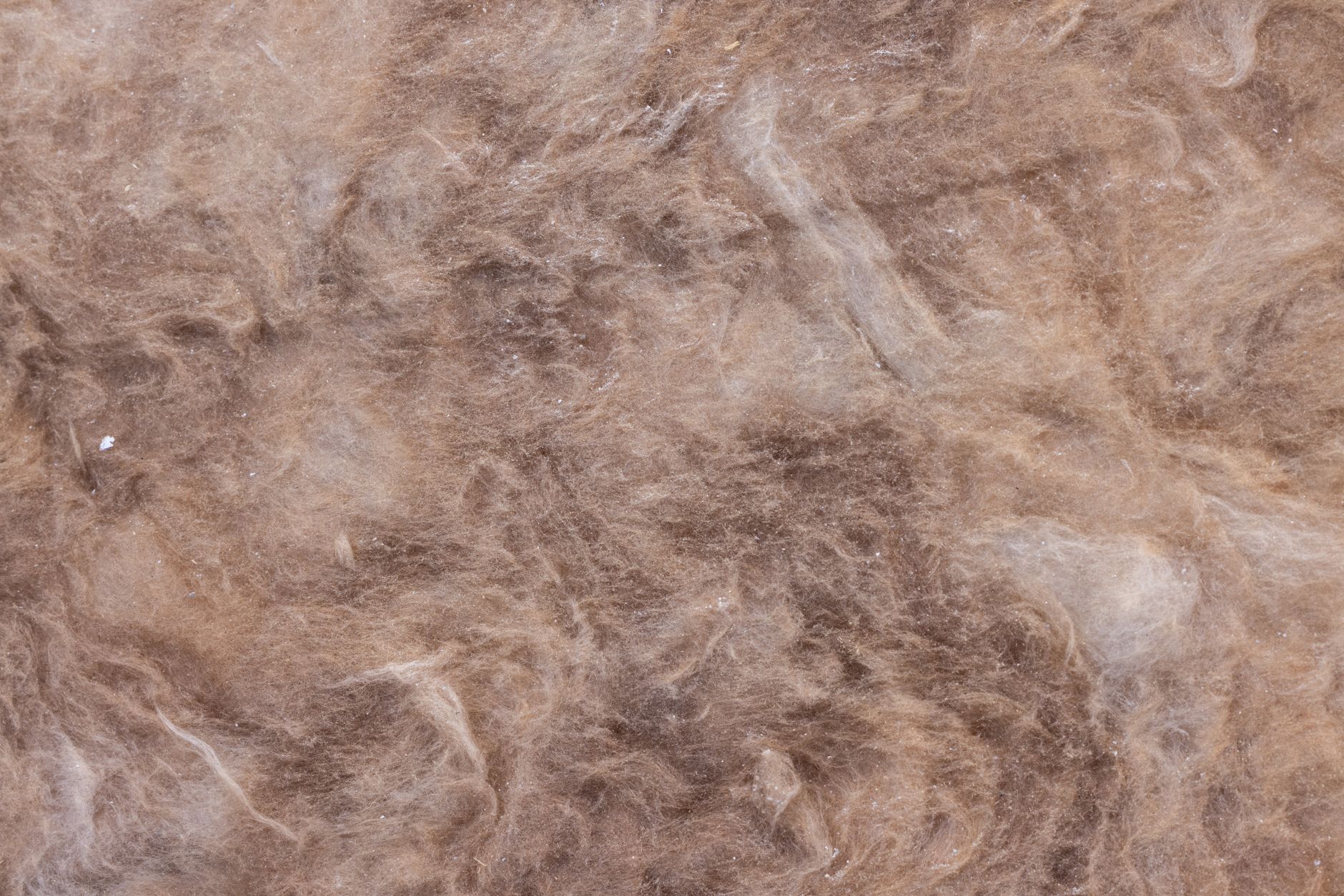
More ambitious renovations may incorporate straw panels, such as those produced by EcoCocon. These are carbon-negative solutions because they sequester carbon within the walls rather than allowing it to be released when agricultural waste is burned after harvest [6]. It is important to note that natural insulators may require specialized installation to comply with local fire and energy codes, as they differ from the standardized application of synthetic foams [5]. This movement toward "breathable" materials suggests a transition away from airtight synthetic seals toward a home environment that naturally manages moisture and temperature for better comfort.
Sustainable Surfaces for Kitchens and Bathrooms
Kitchens and bathrooms require high-performance surfaces that withstand moisture and heavy use. Recycled glass countertops are a sustainable alternative to granite, diverting post-consumer and industrial glass from landfills by binding pieces together with resin or cement [7]. For a different aesthetic, paper composite surfaces—such as Richlite—are made from resin and recycled paper certified by the Forest Stewardship Council (FSC), ensuring the forests are managed sustainably [8]. These surfaces are remarkably durable and can resist heat up to 350°F [8].

In projects where concrete is preferred, "green concrete" reduces the high CO2 footprint of traditional cement by incorporating industrial byproducts like slag or fly ash [7]. This is a significant improvement over some conventional engineered quartz products, which may contain crystalline silica or polymer resins that off-gas [8]. Additionally, using bamboo or recycled timber for cabinetry reduces the demand for virgin hardwoods [7]. Choosing recycled glass or paper composites allows a homeowner to achieve a high-end, modern look while avoiding the ecological degradation caused by large-scale stone quarrying.
Healthy Finishes: Low-VOC and Non-Toxic Options
The final stage of renovation involves paints and finishes, where the primary health concern is Volatile Organic Compounds (VOCs). These chemicals vaporize at room temperature, causing "off-gassing" that can lead to respiratory irritation, nausea, and headaches [9]. To address this, paints are categorized by their VOC levels: Low-VOC (<50g/L), Ultra-Low VOC (<15g/L), and Zero-VOC (<5g/L) [9]. Zero-VOC paints are especially recommended for sensitive spaces like nurseries and bedrooms.
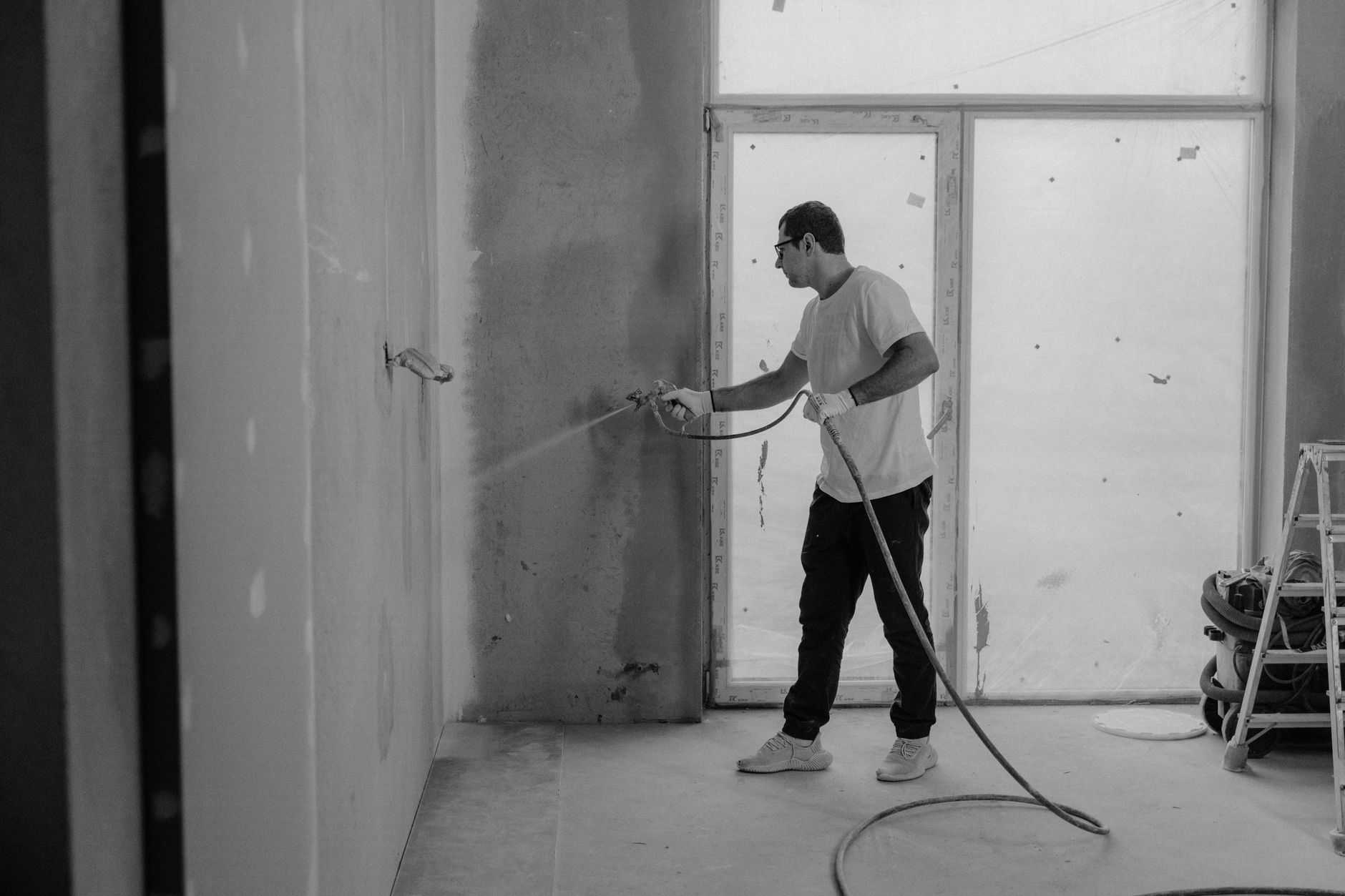
Silicate mineral paints offer a different mechanism; they use mineral binders instead of organic solvents, resulting in naturally low VOC levels (typically <7g/L) and no residual chemical smells [10]. This differs from traditional oil-based paints, which contribute to smog and ozone depletion [9]. While water-based low-VOC options are safer for both the occupant and the environment, they may dry faster than oil-based paints, which can lead to a rougher finish if not applied carefully [10]. In a practical home setting, switching to Zero-VOC finishes is one of the simplest ways to immediately protect a family's respiratory health.
Implementation Strategy and Long-Term Value
Choosing sustainable materials often involves a thoughtful balance between initial costs and long-term gains. While some eco-friendly options may have a higher upfront price or require more specialized installation, they typically offer superior durability and energy savings over time [11]. By selecting timeless, durable materials, homeowners can avoid the "waste cycle" where frequent remodeling is driven by short-lived design trends [12].
To verify environmental claims, homeowners should look for Environmental Product Declarations (EPDs) or certifications from the US Green Building Council (USGBC) [11]. Furthermore, sourcing materials locally is essential to minimize "transportation carbon," as shipping heavy stone or timber across oceans can negate the benefits of the material itself [12]. Ultimately, integrating these materials is an investment in both the home's market value and the occupant's wellbeing, proving that sustainable living can be both practical and beautiful.
References
- Accoya, 'Climate Action,' Accoya, 2022. View source.
- US Green Building Council, 'Sustainable Building Materials Overview,' USGBC, 2026. View source.
- American Wood Council, 'Bamboo and Reclaimed Wood Flooring Analysis,' AWC, 2026. View source.
- World Cork Federation, 'Cork and PVC Flooring Comparison,' WCF, 2026. View source.
- Steico, 'Plant-Based and Wood Fiber Insulation,' Steico, 2026. View source.
- EcoCocon, 'Recycled and Carbon-Negative Wall Solutions,' EcoCocon, 2026. View source.
- Global Cement and Concrete Association, 'Recycled Glass and Green Concrete Surfaces,' GCCA, 2026. View source.
- Richlite, 'Paper Composites and Quartz Comparison,' Richlite, 2026. View source.
- Environmental Protection Agency, 'VOCs and Low-VOC Paint Categories,' EPA, 2026. View source.
- Keim, 'Silicate Mineral Paints and Finishes,' Keim, 2026. View source.
- US Green Building Council, 'Sustainability Certifications and EPDs,' USGBC, 2026. View source.
- Ellen MacArthur Foundation, 'Local Sourcing and the Waste Cycle,' EMF, 2026. View source.

Hi! Elena Novak here. My background in Interior Architecture and my experiences over 13 years have made me deeply engaged with home and lifestyle writer who helps readers design comfortable, functional, and beautiful spaces on realistic budgets.. I write to share perspectives, spark ideas, and make complex topics feel human.