
Editor's brief
Regime collapse follows a predictable pattern of institutional decay and the erosion of the social contract. When systemic inequality meets an intellectual awakening and a sudden trigger, passive resentment turns into mass mobilization, often leaving a power vacuum that risks repeating the same authoritarian mistakes.
#Political Science
#Revolution
#Institutional Decay
#Governance
Regimes rarely collapse because of a single bad policy; they fail when the structural gaps between the ruling class and the populace become unbridgeable. Systemic instability begins with the slow erosion of the social contract—the unspoken agreement that citizens grant the state a monopoly on power in exchange for security and a baseline of dignity. When a small elite captures the vast majority of national wealth, the state ceases to be a neutral arbiter of law and becomes a mechanism for wealth preservation. This creates a "hollow state," highly efficient at protecting the assets of the few but functionally paralyzed when addressing the needs of the many. The Architecture of Institutional Decay Internal erosion often begins when systemic corruption ceases to be a byproduct of power and becomes the primary mechanism of governance. When authority is distributed based on loyalty or kinship rather than merit, the bureaucracy becomes incapable of implementing reform because any change threatens the rent-seeking networks sustaining the elite. The Bourbon monarchy's inability to tax the nobility—the wealthiest class in pre-revolutionary France—rendered the state bankrupt and unable to feed its people [4]. This decay creates a dangerous paradox: a regime may appear formidable while being hollowed out internally. The Ottoman Empire, once a global powerhouse, did not fall simply due to external military pressure, but because its administrative systems had stagnated for decades, leavin...
Regimes rarely collapse because of a single bad policy; they fail when the structural gaps between the ruling class and the populace become unbridgeable. Systemic instability begins with the slow erosion of the social contract—the unspoken agreement that citizens grant the state a monopoly on power in exchange for security and a baseline of dignity. When a small elite captures the vast majority of national wealth, the state ceases to be a neutral arbiter of law and becomes a mechanism for wealth preservation. This creates a "hollow state," highly efficient at protecting the assets of the few but functionally paralyzed when addressing the needs of the many.
The Architecture of Institutional Decay
Internal erosion often begins when systemic corruption ceases to be a byproduct of power and becomes the primary mechanism of governance. When authority is distributed based on loyalty or kinship rather than merit, the bureaucracy becomes incapable of implementing reform because any change threatens the rent-seeking networks sustaining the elite. The Bourbon monarchy's inability to tax the nobility—the wealthiest class in pre-revolutionary France—rendered the state bankrupt and unable to feed its people [4].
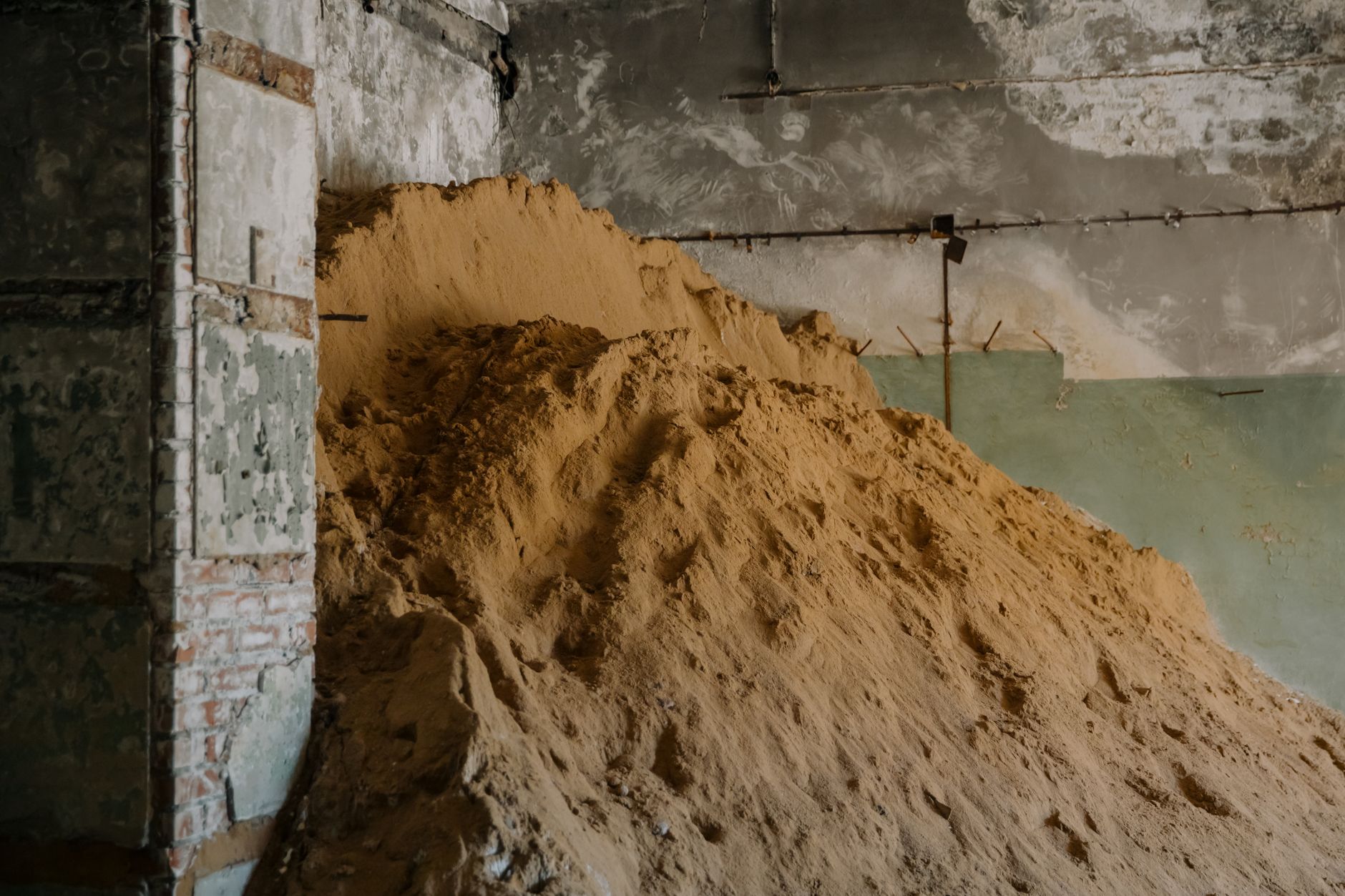
This decay creates a dangerous paradox: a regime may appear formidable while being hollowed out internally. The Ottoman Empire, once a global powerhouse, did not fall simply due to external military pressure, but because its administrative systems had stagnated for decades, leaving it unable to modernize or integrate its diverse populations. By the time external threats intensified, the state lacked the internal cohesion necessary to survive. This vulnerability often extends to the diplomatic sphere; when a regime is viewed as a liability, international allies distance themselves to avoid the contagion of instability. During the final stages of the Pahlavi dynasty in Iran, the shift in international perception stripped the Shah of the external confidence required to maintain his domestic grip.
The Ideological Bridge: From Misery to Injustice
Hunger and oppression are powerful motivators, but they are rarely enough to trigger a structured revolution. History is full of populations that suffered in silence because they lacked a conceptual framework to describe their misery as an injustice rather than an inevitability. A revolution begins when people stop believing that their unhappiness is a natural law. This transition from viewing suffering as fate to seeing it as a political failure is typically steered by an intellectual vanguard—lawyers, teachers, or dissident clergy who act as translators.
These individuals distill abstract theories of justice into language that resonates with practical grievances. In the lead-up to the French Revolution, Enlightenment ideas did not reach the peasantry through dense treatises, but through the simplified rhetoric of political clubs and street pamphlets. Central to this shift is the erosion of traditional authority. The concept of the social contract—the idea that legitimacy derives from the consent of the governed—fundamentally redefines the relationship between the state and the individual. John Locke’s assertions on natural rights suggested that if a ruler violates the trust of the people, the people have a moral obligation to replace them [1].

This intellectual awakening is frequently anchored in the frustrations of the bourgeoisie. This class often possesses the educational tools of the elite but lacks corresponding political power. This friction creates a volatile combination: the ability to articulate a sophisticated critique of the state paired with the lived experience of exclusion. Through underground printing presses or clandestine networks like the Soviet *samizdat*, these ideas proliferate, proving to the isolated individual that their private dissent is a shared public sentiment.
The Catalyst: When Tension Meets a Trigger
While systemic inequality provides the dry tinder, a catalyst is required to spark the flame. The transition from passive resentment to active rebellion requires a specific event that shatters the illusion of the state's permanence. Financial collapses are among the most potent triggers because they expose fragility immediately. In 1789, the French monarchy's bankruptcy forced Louis XVI to convene the Estates-General, inadvertently opening a political space for the Third Estate to demand systemic change [4].
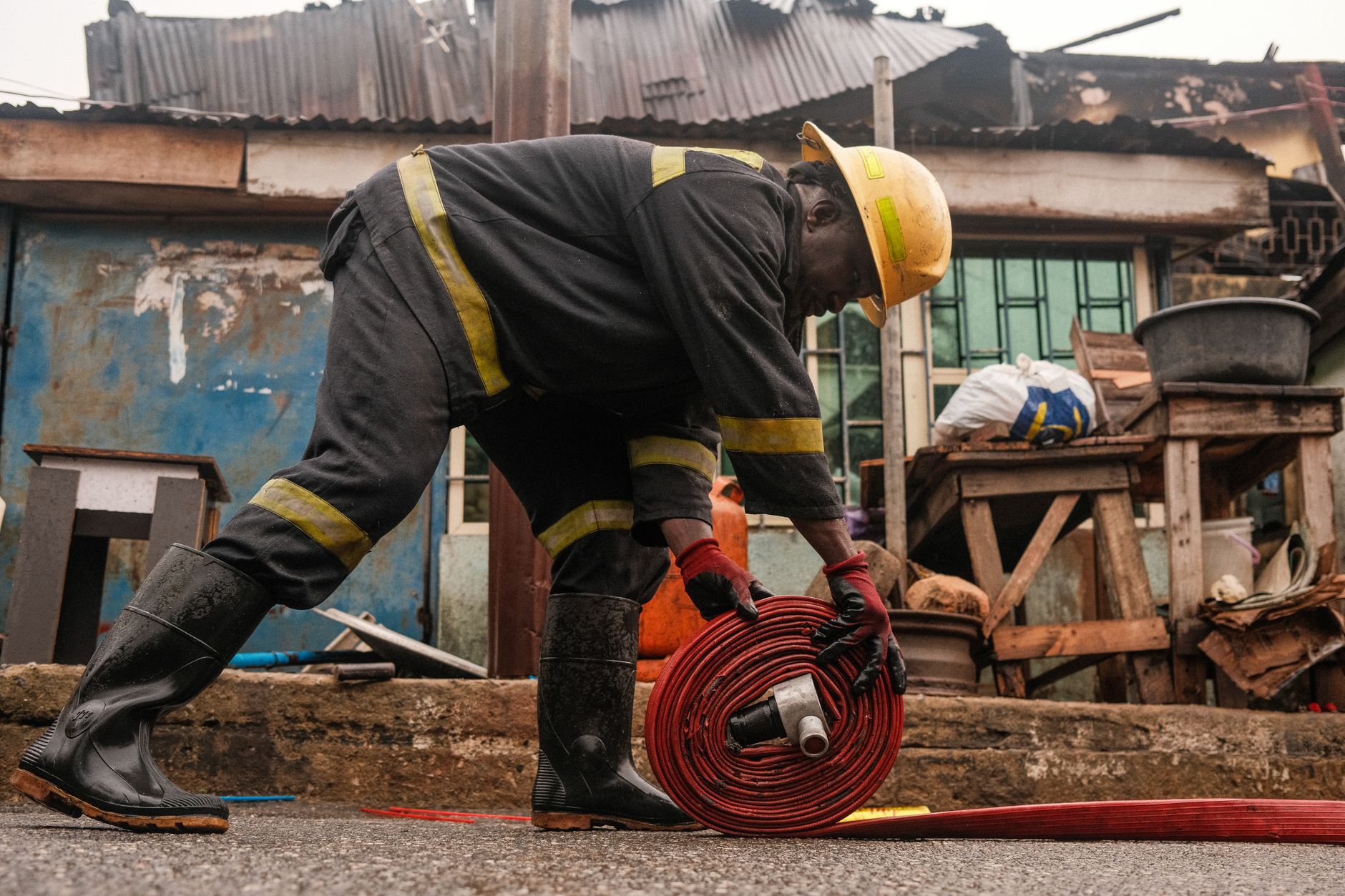
Similarly, humiliating military defeats reveal incompetence. A state's legitimacy is tied to its perceived strength; when that strength vanishes, the myth of omnipotence collapses. The staggering losses of World War I signaled to the Russian peasantry and soldiers that Tsar Nicholas II was fundamentally unfit to lead, stripping the regime of its prestige and making its power feel challengeable.
While economic and military failures erode the state from the top down, state brutality often ignites movements from the bottom up. A single instance of excessive force can transform fragmented grievances into a unified national identity. The self-immolation of Mohamed Bouazizi in Tunisia was a desperate response to systemic humiliation, yet his death became a mirror for millions. In such moments, state violence stops being a deterrent and begins acting as a recruiter, shifting public emotion from fear to moral outrage. This is often exacerbated by the primal trigger of food insecurity; the Arab Spring was preceded by global surges in grain prices that made bread unreachable for millions, proving that when a parent cannot feed a child, the risk of facing a security apparatus becomes smaller than the risk of starvation [3].
The Mechanics of Mass Mobilization
The physical geography of a city often dictates the trajectory of a rebellion. Urbanization concentrates grievance, shrinking the distance between private frustration and public protest. In Paris, the proximity of a starving populace to the seat of power transformed isolated riots into a coordinated assault on the Bastille. This density allows for the rapid contagion of ideas and the formation of an invisible infrastructure—secret societies and clandestine cells that plan strategically while avoiding surveillance. The Bolsheviks utilized such a network to operate independently yet move in unison.
A revolution gains existential momentum only when it bridges the gap between the urban proletariat and the rural peasantry. Regimes frequently survive by playing these groups against one another. In 1917, the promise of "Bread" for the city worker and "Land" for the rural peasant created a cross-class alliance that the Tsarist regime could no longer divide. This alignment is sustained by a psychological shift known as the threshold effect: individuals participate once they perceive that a critical mass has already joined, causing the fear of the state to be replaced by the safety of the collective.
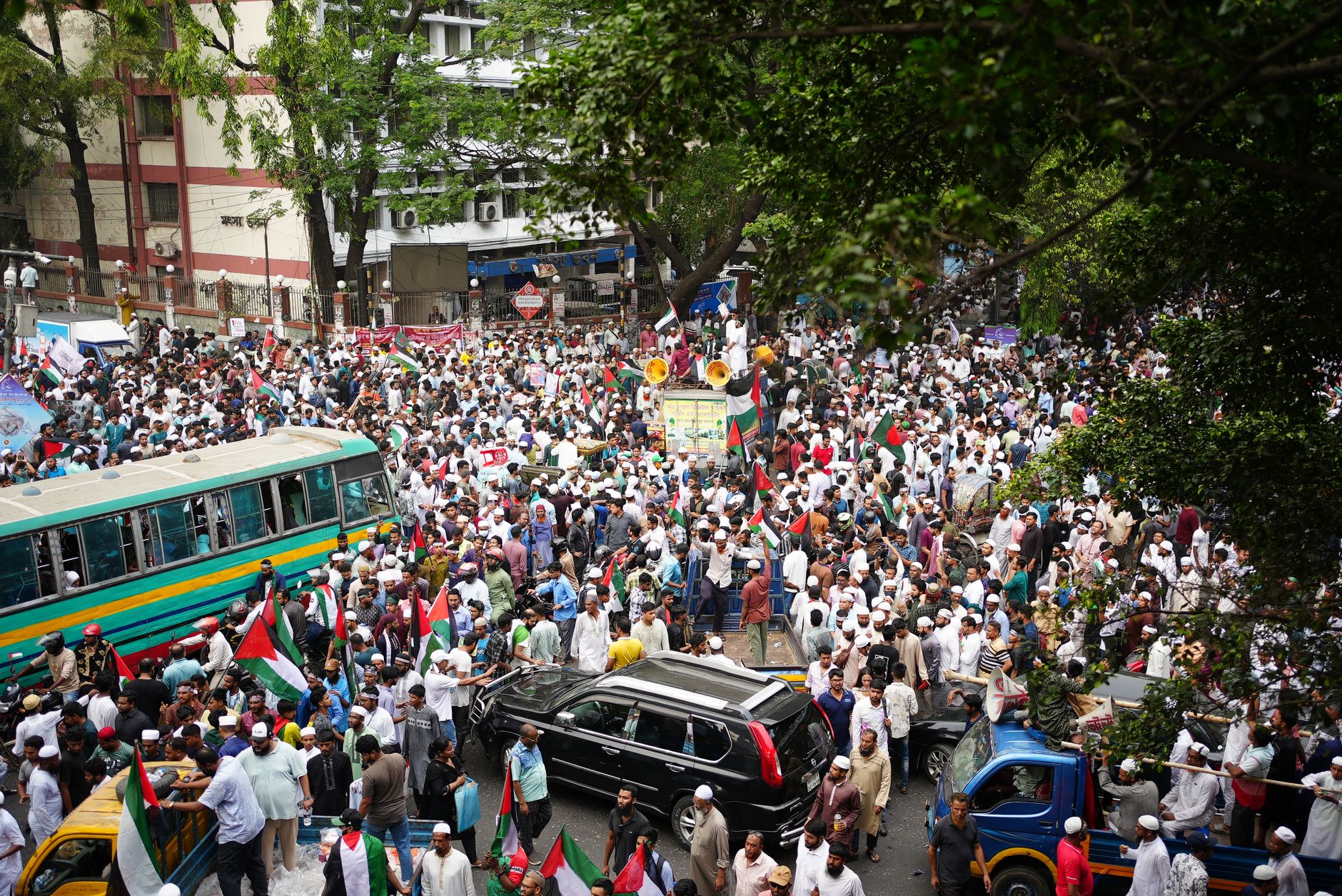
When this psychological shift meets economic leverage, the regime reaches a breaking point. A general strike paralyzes the state's circulatory system. When trains stop and factories fall silent, the regime loses its ability to fund its security apparatus. The February Revolution in Petrograd demonstrated that when the economy ceases to function, the loyalty of the police and military—who rely on that same economy for their wages—begins to erode.
The Final Collapse and the Power Vacuum
The decisive moment in the fall of a regime occurs when the instruments of coercion—the military and the police—refuse to fire. Soldiers are not detached from the society they suppress; they have families in the streets and shared grievances with the protesters. When the security apparatus calculates that the regime is no longer a viable source of stability, their defection transforms a protest into a revolution. The fall of Hosni Mubarak in 2011 was not triggered by crowds alone, but by the military's strategic decision to step aside.

However, the euphoria of collapse is usually short-lived. When central authority vanishes, the fragile coalition that fought the old regime inevitably fractures. The French Revolution provides a blueprint for this; the initial unity of the Third Estate dissolved into a fratricidal struggle between the Girondins and the Jacobins. The vacuum is rarely filled by the "will of the people," but by whoever possesses the most disciplined organizational structure or the most ruthless willingness to use force.
This often leads to a paradoxical shift back toward authoritarianism. To prevent anarchy, new leaders frequently consolidate power under the guise of "stabilization." The transition from the idealistic promises of the 1917 October Revolution to the rigid centralism of the Stalinist era shows how the need to protect the revolution becomes a justification for dismantling the freedoms it sought to secure. The "Iron Law of Oligarchy" suggests that regardless of how democratic a movement begins, it eventually develops a leadership class that prioritizes its own survival [2]. The structural inequality often remains; only the names on the office doors change.
Conclusion
Revolutions are not spontaneous accidents but the result of a predictable sequence: institutional decay, ideological awakening, a triggering crisis, and the eventual defection of the state's protectors. While the act of overthrowing a regime is visceral and fast, the act of governing is bureaucratic and slow. The tragedy of many revolutionary cycles is the failure to translate the momentum of destruction into the labor of institution-building.
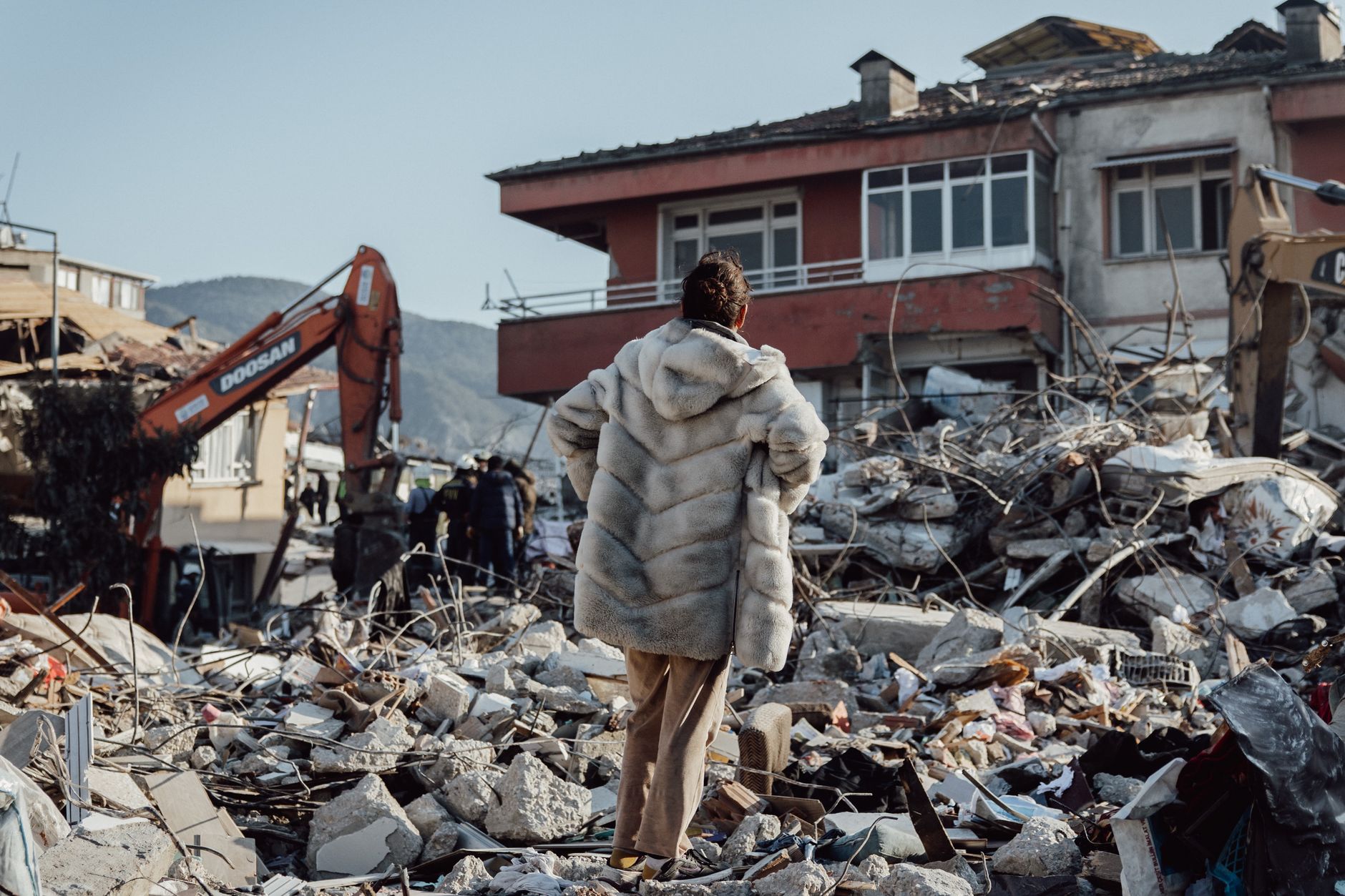
For the student of political science, the practical takeaway is this: the survival of a new order depends not on the removal of the old leader, but on the redistribution of the material grievances that sparked the fire. If economic distribution remains skewed and the social contract remains broken, the new regime merely inherits the instabilities of the old, ensuring that the cycle of defiance will eventually begin again.
References
- J. Locke, Two Treatises of Government, 1689.
- R. Michels, Political Parties: A Sociological Study of the Oligarchical Tendencies of Modern Democracy, 1911.
- World Bank, "Food Price Volatility and the Arab Spring," Policy Research Report, 2012.
- T. Carlyle, The French Revolution: A History, 1837.

I'm Priya Sharma. I never imagined that my studies in Political Science would lead me here, but 13 years later, writing about politics and society analyst examining how laws, power structures, and history shape inequality, rights, and everyday life. has become my way of making sense of the world—and helping others do the same.