Editor's brief
True crime offers a safe simulation of danger and a way to map human darkness. However, the shift toward cinematic storytelling often risks glamorizing perpetrators and re-victimizing survivors, turning real-life tragedies into curated entertainment products.
#True crime
#Media ethics
#Psychology
#Systemic failure
There is a visceral satisfaction in the spike of adrenaline that comes from a jarring revelation, provided the viewer is cocooned in the safety of their own living room. This is the fundamental tension of the macabre: the ability to simulate a life-threatening environment without actual risk. Much like a heavy, distorted bassline in a track can create a feeling of dread while the listener remains physically secure, true crime documentaries allow us to flirt with the edges of human darkness from a distance. We are essentially outsourcing our fear, experiencing the cortisol spike of a chase or the chill of a sinister discovery, then resolving that tension the moment the screen goes black. The Psychology of the Controlled Descent Beyond the thrill, this obsession functions as a subconscious form of survival training. Viewers are not merely consuming a narrative; they are scanning for red flags. By analyzing the grooming behaviors of a predator or the subtle inconsistencies in a suspect's alibi, the audience engages in a primitive act of pattern recognition—a psychological dress rehearsal where tragedies are transformed into cautionary maps for navigating the real world. This drive is fueled by a need for cognitive closure. A crime is a rupture in the social order, a broken loop. The psychological discomfort of an open-ended mystery creates a mental itch that can only be scratched by resolution [1]. Whether it is the final click of handcuffs or a DNA match that closes a decades-o...
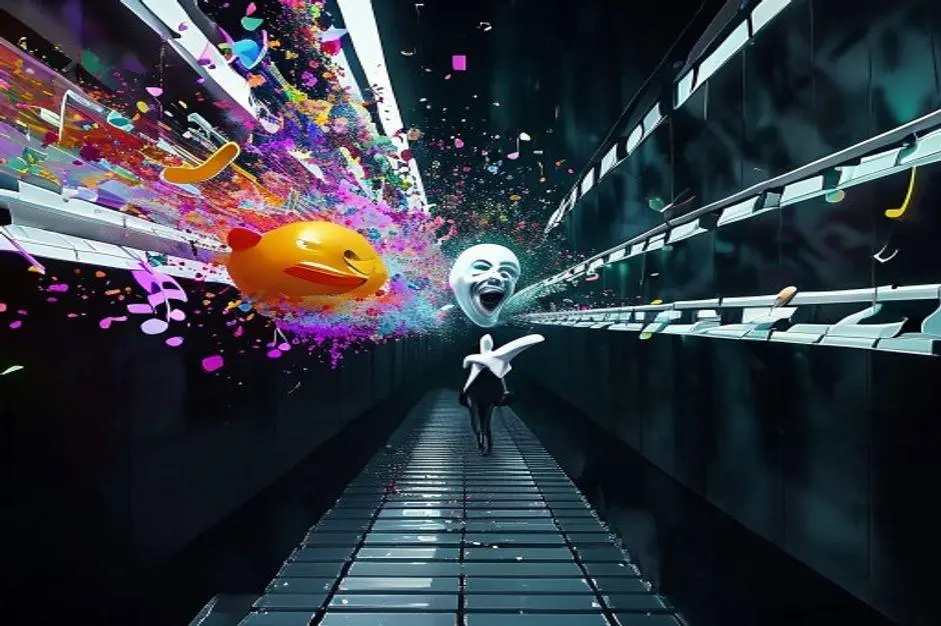
There is a visceral satisfaction in the spike of adrenaline that comes from a jarring revelation, provided the viewer is cocooned in the safety of their own living room. This is the fundamental tension of the macabre: the ability to simulate a life-threatening environment without actual risk. Much like a heavy, distorted bassline in a track can create a feeling of dread while the listener remains physically secure, true crime documentaries allow us to flirt with the edges of human darkness from a distance. We are essentially outsourcing our fear, experiencing the cortisol spike of a chase or the chill of a sinister discovery, then resolving that tension the moment the screen goes black.
The Psychology of the Controlled Descent
Beyond the thrill, this obsession functions as a subconscious form of survival training. Viewers are not merely consuming a narrative; they are scanning for red flags. By analyzing the grooming behaviors of a predator or the subtle inconsistencies in a suspect's alibi, the audience engages in a primitive act of pattern recognition—a psychological dress rehearsal where tragedies are transformed into cautionary maps for navigating the real world.
This drive is fueled by a need for cognitive closure. A crime is a rupture in the social order, a broken loop. The psychological discomfort of an open-ended mystery creates a mental itch that can only be scratched by resolution [1]. Whether it is the final click of handcuffs or a DNA match that closes a decades-old cold case, the resolution restores a sense of equilibrium. The narrative arc from chaos back to order satisfies a deep-seated desire to believe that the world is legible and that justice is an inevitable conclusion.

At the heart of this fascination is an interplay of empathy and intellectual curiosity. We align ourselves with the victim to process our own fears regarding vulnerability, using emotional mirroring to navigate grief in a controlled setting. Simultaneously, we attempt to decode deviant logic to categorize the "monster." By dissecting the motives and triggers of an offender, we seek the boundary where normal human behavior ends and pathology begins—an attempt to map the abyss to ensure we never fall into it.
The Architecture of Atmospheric Dread
Modern true crime has abandoned the sterile, observational distance of traditional journalism in favor of high-tension cinematic architecture. Where early reporting relied on static "talking head" interviews, contemporary series operate like psychological thrillers. The use of anamorphic lenses, moody color grading, and sweeping drone shots transforms a crime scene from a piece of evidence into a character. The goal is no longer just to inform, but to immerse the viewer in a specific emotional frequency.

This immersion is driven by non-linear storytelling. By fracturing the timeline, filmmakers create a narrative puzzle that demands active participation. A series might start with the climax or a jarring contradiction, then loop back to build tension. This structural choice mimics an actual investigation, turning the viewer into a surrogate detective who stays tethered to the screen for the rhythmic release of a well-timed reveal.
Authenticity is reinforced through the strategic layering of archival textures. There is a deliberate contrast between the crisp, high-definition interviews of the present and the grainy quality of CCTV footage or 911 dispatch recordings. These artifacts provide a tactile truth that a polished reenactment cannot replicate; they are sonic and visual cues signaling that the content is unvarnished and real.
However, the line between objective journalism and scripted drama has become porous. Modern editing treats the human voice like a musical instrument, holding long pauses or tight close-ups on a subject's eyes to amplify gravity. These "emotional beats" guide the audience toward suspicion, grief, or outrage, effectively scoring the narrative to drive the plot forward.
Binge-Watching and the Digital Echo Chamber
The transition from episodic formats to serialized binge-watching has altered how we process tragedy. Streaming platforms deliver an entire investigation in a single, immersive descent, creating a psychological pressure cooker. By stripping away the breaks, the act of watching becomes an endurance test of curiosity, pushing the audience to reside in a dark headspace for hours on end.
This is amplified by algorithmic curation, which functions as a digital feedback loop. Once a viewer engages with forensic pathology or cold cases, the system populates their feed with similar content, creating an echo chamber. This constant stream transforms a casual interest into a pseudo-expertise, making the viewer feel like an elite observer capable of spotting flaws in police interrogations.
Geographical boundaries have also dissolved. True crime is now a global product, introducing audiences to the societal pressures of South Korea or the isolation of Scandinavia, offering new cultural contexts for how justice is administered. This experience has become interactive; the screen is now a portal to collaborative investigation. Audiences scrutinize leaked police reports and satellite imagery in real-time on forums like Reddit, gamifying the search for truth.

The medium of the podcast has integrated the macabre into the quietest moments of daily life. The portability of audio allows a gruesome autopsy report to become the background noise for a commute. This creates a strange cognitive dissonance—the intimacy of a voice speaking directly into one's ear while performing mundane tasks—which normalizes the proximity to violence.
The Ethical Cost of Entertainment
The cinematic polish of high-budget series often works against the gravity of the subject matter. When a documentary employs a pulsing synth score and slow-motion B-roll, the crime ceases to be a tragedy and becomes a product. The goal shifts from uncovering truth to maintaining an emotional frequency that keeps the viewer hooked, risking the transformation of victims into mere catalysts for a narrative arc.
This shift often leads to the glamorization of the perpetrator. When the camera lingers on a killer’s perceived intellect, the production inadvertently builds a cult of personality, framing opportunistic predators as enigmatic anti-heroes. By centering the narrative on the killer’s childhood trauma or meticulous planning, the industry often prioritizes the predator's charisma over the victim's loss.
The pursuit of a compelling "twist" further compromises factual integrity. Because streaming algorithms demand a climax, filmmakers may omit inconvenient details—boring contradictions in testimony or a lack of forensic certainty—that would complicate the story. When nuance is edited out to create a satisfying arc, the filmmaker is no longer documenting a crime; they are writing a script using real lives as raw material.

This narrative sculpting creates collateral damage. Family members and neighbors are suddenly thrust into the public eye as "characters" in a global conversation, their private grief mined for emotional beats. The obsession with a definitive conclusion often pushes creators toward dangerous speculation. Suggesting "alternative theories" without evidentiary support can unfairly implicate innocent people, triggering real-world harassment driven by waves of armchair detectives.
Viral Justice and Systemic Mirrors
The line between public service and public spectacle is thin. When a documentary breathes life into a cold case, it can force dormant police departments to re-examine evidence, leading to genuine victories for justice. However, this "viral justice" comes with a heavy tax. For the families of victims, having the most traumatic moments of their lives reconstructed as a narrative arc for a streaming audience is a form of re-victimization.
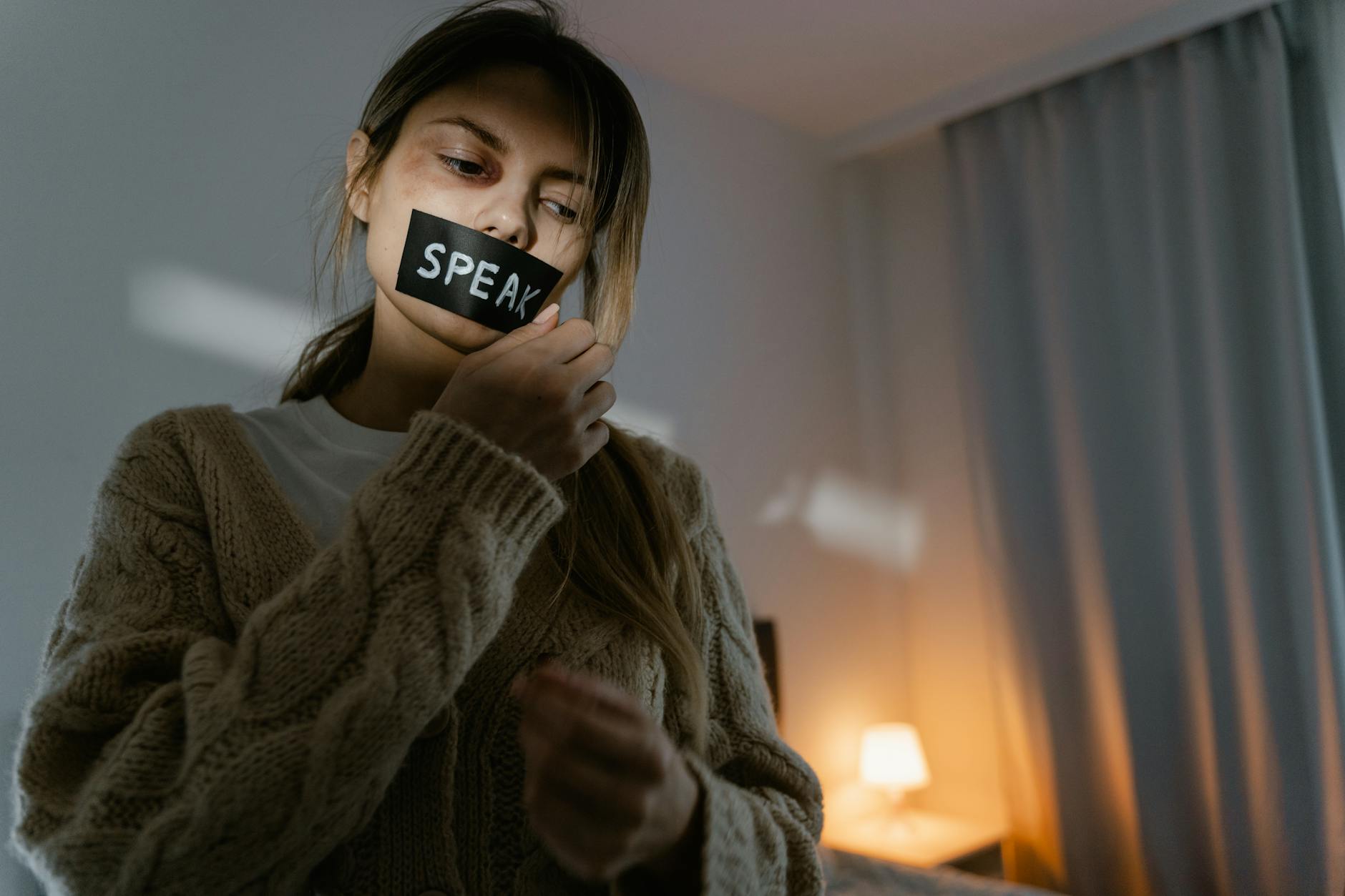
The rise of the armchair detective often means the rush of the "solve" outweighs the requirement for evidence. Digital communities can transform into amateur tribunals, where the fallout for a wrongly accused individual is permanent, regardless of legal findings. This tension extends into the courtroom, where a meticulously crafted editorial perspective can contaminate jury pools, jeopardizing the right to a fair trial [2].
Yet, there is undeniable utility in this scrutiny. Some of the most impactful projects act as a mirror to systemic failure, exposing police misconduct or judicial negligence. By highlighting these gaps, media can spark legislative change or provide leverage for organizations like the Innocence Project to secure exonerations. Here, the genre moves beyond voyeurism and into the realm of advocacy.
The Evolution of the Dark Side
The fascination with the "lone wolf" killer is waning, replaced by a hunger for narratives that examine the machinery behind the crime. The lens is shifting from blood spatter to structural cracks—examining how poverty, failed mental health infrastructure, and judicial bias create the conditions for violence. The central question is no longer "Who did this?" but "How did the system allow this to happen?"
This evolution requires a move away from the lazy shorthand of the "psychopath" label toward a deeper integration of forensic psychology and neurobiology. Grounding the narrative in actual psychological frameworks moves the content from sensationalism toward a more honest exploration of human fragility.
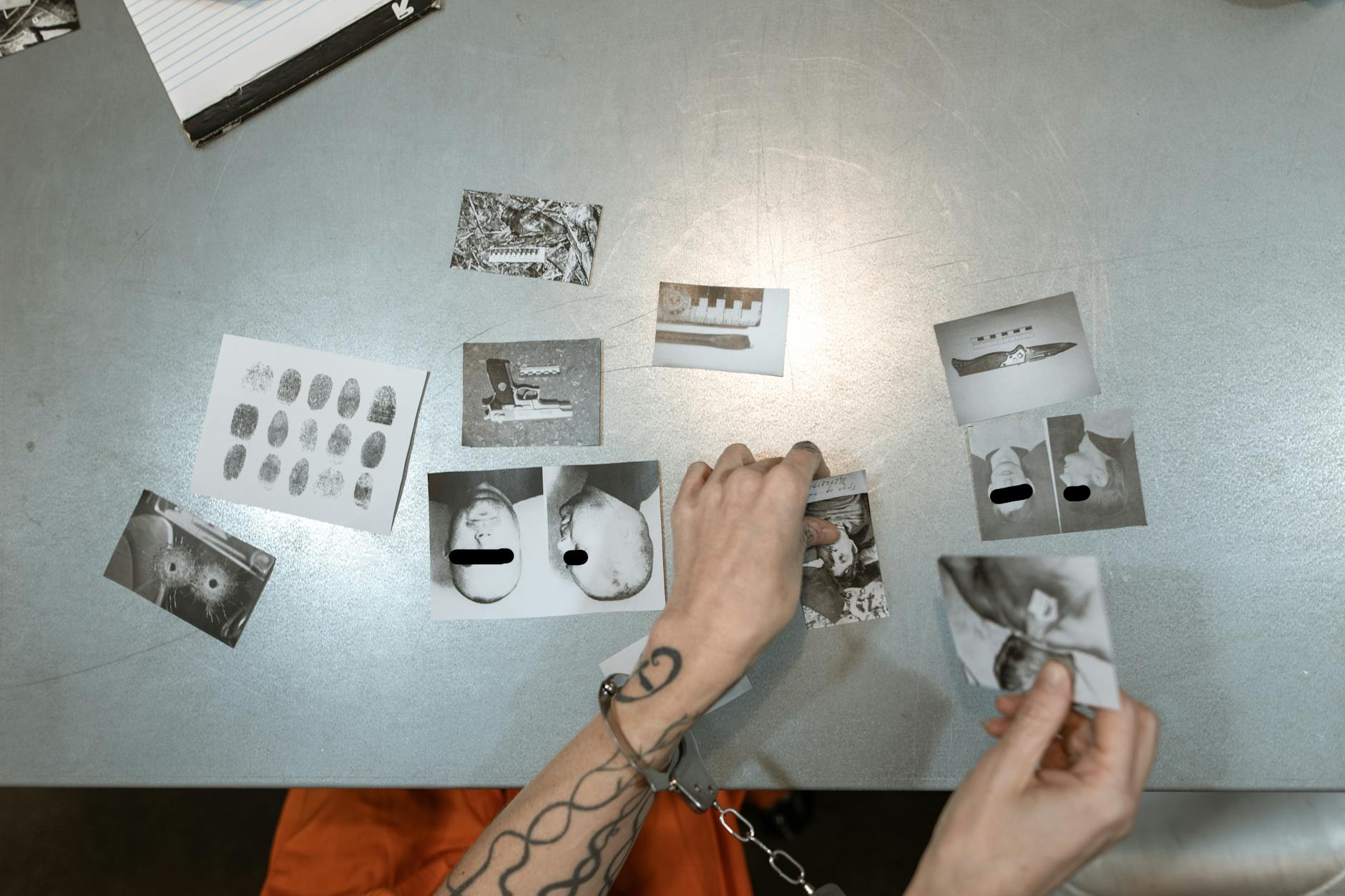
As audiences become more conscious of the human cost, the industry is facing a reckoning regarding victim advocacy. The next era will likely be defined by "restorative storytelling," where victims and their families are granted agency over the narrative to ensure the process does not become a second victimization.
Technological leaps in VR and AR present a volatile frontier. The ability to place a viewer inside a digitally reconstructed crime scene offers unprecedented immersion but risks desensitizing the audience. The challenge for creators will be balancing visceral power with the moral obligation to maintain a respectful distance. Simultaneously, the definition of the "dark side" is expanding to include corporate predation and institutional fraud, acknowledging that the capacity for devastation is often cultivated in the highest echelons of power.
Conclusion
The true crime paradox lies in our ability to find security in the simulation of danger and order in the analysis of chaos. While the genre has evolved into a high-art exploration of human darkness, the transition from journalistic record to cinematic product carries significant ethical risks. The movement toward systemic critique and survivor-centric storytelling suggests a maturing industry, but the responsibility ultimately rests with the consumer.
To engage with true crime without becoming a voyeur of tragedy, the viewer must maintain a critical distance. The practical takeaway is to prioritize sources that center the victim's humanity over the perpetrator's pathology and to remain skeptical of "perfect" narrative arcs. By treating these stories not as puzzles to be solved, but as mirrors of systemic failure, we can transform a passive obsession into a catalyst for actual justice.
References
- A. Kruglanski and R. Nassacre, "The Need for Closure Scale," Journal of Personality and Social Psychology.
- American Bar Association, "The Impact of Media Coverage on Jury Impartiality," ABA Standards for Criminal Justice.

Hello, I'm Ahmed Saleh. My journey began with Music Production, but over the last 9 years, my passion for music and entertainment writer breaking down songs, production techniques, and how soundtracks shape emotion. has shaped my voice as a writer—reflective, grounded, and always curious.