Editor's brief
Exotic pet ownership demands a shift from seeking a companion to preserving a wild essence. From managing thermal gradients for reptiles to providing cognitive stimulation for birds, success depends on prioritizing an animal's evolutionary needs over human aesthetic preferences or convenience.
#Exotic pets
#Animal welfare
#Pet care
#Reptiles
The draw toward non-traditional pets often begins with biophilia—the innate human tendency to seek connections with nature. While dogs and cats offer reciprocal social bonds, many find intellectual satisfaction in the quiet rhythms of a reptile or the complex intelligence of a parrot. This fascination is rarely about novelty; it is often a desire to bridge the gap between urban existence and the raw diversity of the natural world. By choosing a companion that does not mirror human emotion, the owner learns a different biological language, fostering a relationship rooted in observation and respect for the animal's wild nature. The Appeal and Practicality of Unique Pets Owning a species with different sensory perceptions—such as a snake that detects heat or a gecko that tastes the air—promotes mindfulness. The owner becomes a student of subtle cues, noticing a slight flare of a nostril or a specific tilt of the head. This shift in perspective is a rewarding exercise in empathy, requiring a departure from species-centric views to understand what constitutes comfort or stress for another creature. For families, these animals serve as living conduits to global ecosystems. A well-maintained terrarium is a tangible lesson in biology. When a child manages humidity for a tropical species or researches the basking requirements of a desert lizard, they learn about the fragile balance of ecological niches. This intimate care often sparks a lifelong interest in conservation and a broader...
The draw toward non-traditional pets often begins with biophilia—the innate human tendency to seek connections with nature. While dogs and cats offer reciprocal social bonds, many find intellectual satisfaction in the quiet rhythms of a reptile or the complex intelligence of a parrot. This fascination is rarely about novelty; it is often a desire to bridge the gap between urban existence and the raw diversity of the natural world. By choosing a companion that does not mirror human emotion, the owner learns a different biological language, fostering a relationship rooted in observation and respect for the animal's wild nature.
The Appeal and Practicality of Unique Pets
Owning a species with different sensory perceptions—such as a snake that detects heat or a gecko that tastes the air—promotes mindfulness. The owner becomes a student of subtle cues, noticing a slight flare of a nostril or a specific tilt of the head. This shift in perspective is a rewarding exercise in empathy, requiring a departure from species-centric views to understand what constitutes comfort or stress for another creature.
For families, these animals serve as living conduits to global ecosystems. A well-maintained terrarium is a tangible lesson in biology. When a child manages humidity for a tropical species or researches the basking requirements of a desert lizard, they learn about the fragile balance of ecological niches. This intimate care often sparks a lifelong interest in conservation and a broader concern for species survival in the wild.
Beyond educational value, unique pets often provide pragmatic solutions to specific lifestyle constraints. For those with severe allergies to dander, scales and feathers offer companionship without respiratory distress. Similarly, those in smaller urban spaces may find that a carefully selected reptile or invertebrate fits their square footage and schedule more sustainably than a high-energy mammal.
Pre-Acquisition Planning and Commitments
The most underestimated factor in exotic pet care is the long-term time commitment. A small parrot or a modestly sized tortoise can easily outlive their owner. Certain macaw species or African spurred tortoises can live for fifty to eighty years, transforming a childhood pet into a lifelong responsibility that may eventually require a legal guardian named in a will. This longevity necessitates a level of stability and foresight fundamentally different from the ten-to-fifteen-year expectation of a dog or cat.
Suitability for a home is measured by whether an environment allows for the expression of innate behaviors. A bearded dragon, for example, requires a precise thermal gradient—a hot side for digestion and a cool side for thermoregulation—to avoid metabolic dysfunction. For avian pets, the need for flight and foraging cannot be replaced by toys. When confined to spaces that prevent natural movement, animals often develop stereotypic behaviors, such as repetitive pacing or feather plucking, which are physical manifestations of psychological distress.
Financial planning must extend beyond the initial purchase. Owners should account for recurring "invisible" expenses, such as replacing UVB lighting every six months, even if the bulb still appears to be emitting light. Because these animals require specialized veterinary care, owners must locate practitioners trained in herpetology or avian medicine. These specialists typically charge a premium due to the specialized equipment and knowledge required to treat non-mammalian patients.

Legal due diligence is equally vital. The Convention on International Trade in Endangered Species (CITES) regulates the movement of wildlife across borders [1]. Possessing an animal without proper permits can lead to severe legal penalties or seizure. Even if a species is legal federally, municipal zoning laws may prohibit certain primates or large constrictors, making it essential to verify local statutes before any transaction occurs.
The Essentials of Reptile Ownership
Reptiles are ectothermic, meaning they cannot generate their own body heat. Consequently, the enclosure is not just a home but a primary organ of survival. A deliberate transition from a hot basking area to a cooler retreat is the only way these animals can regulate their internal temperature. Without this choice, a reptile cannot properly digest food or maintain a functional immune system, often leading to chronic digestive stasis.
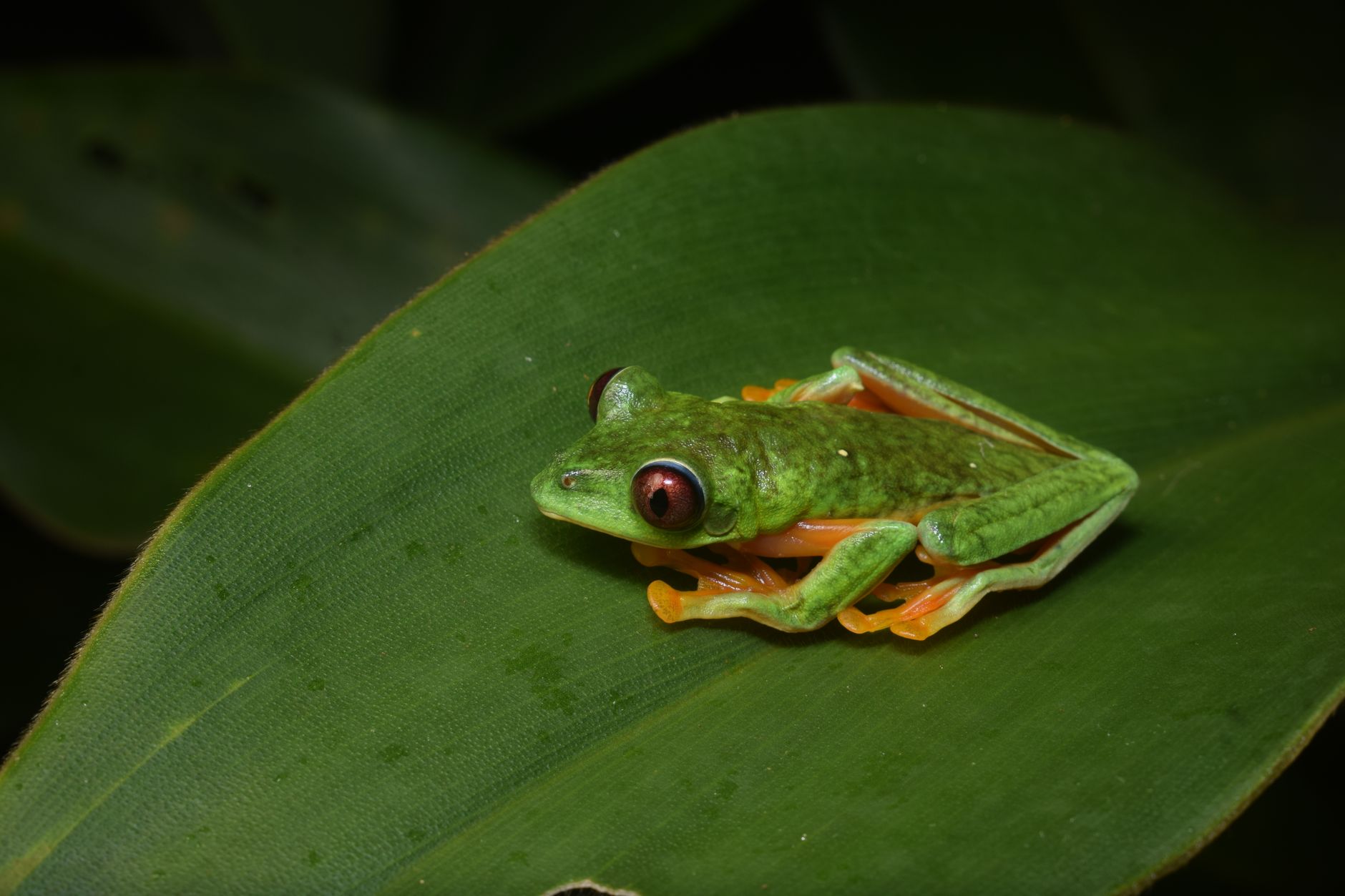
Lighting is as fundamental as oxygen. High-quality UV-B lighting facilitates the synthesis of Vitamin D3, which allows the animal to absorb calcium. When this light is absent or bulbs expire, Metabolic Bone Disease (MBD) can occur, manifesting as softened jaws, bowed limbs, and fragile spines. This preventable deficiency can result in permanent disability.
Nutritional health requires biological accuracy over convenience. Relying on a single type of feeder insect often leads to nutritional gaps. "Gut-loading"—feeding high-quality nutrients to insects before offering them to the reptile—ensures that essential vitamins and minerals are transferred up the food chain. The act of hunting or searching for food is also psychologically vital; providing variety in prey size and type prevents the stagnation common in sterile environments.
A reptile's psychological well-being is tied to its sense of security. A bare glass tank is an exposure nightmare for an animal evolved to hide from predators. Integrating cork bark, dense foliage, and opaque hiding spots lowers cortisol levels. When a reptile feels secure, it is more likely to exhibit natural behaviors and be receptive to human interaction. This interaction should be gentle, approaching from the side and allowing the animal to scent the handler first to avoid triggering a predatory response.
Cognitive and Physical Needs of Avian Pets
The cognitive abilities of psittacines often mirror the intellectual complexity of a young human child. Birds integrate into the family hierarchy, forming deep bonds with caregivers. When the need for social connection or mental engagement is unmet, birds may develop severe pathologies. Feather plucking is rarely a "bad habit" but is typically an outward manifestation of chronic boredom, anxiety, or loneliness.
Supporting this intelligence requires a habitat rather than a cage. Birds need a flight area or a large aviary that allows for full wing extension, which is essential for cardiovascular health. To satisfy innate foraging instincts, owners should implement a rotating toy system, swapping out shreddable materials and puzzle feeders every few weeks to prevent destructive chewing or self-mutilation.
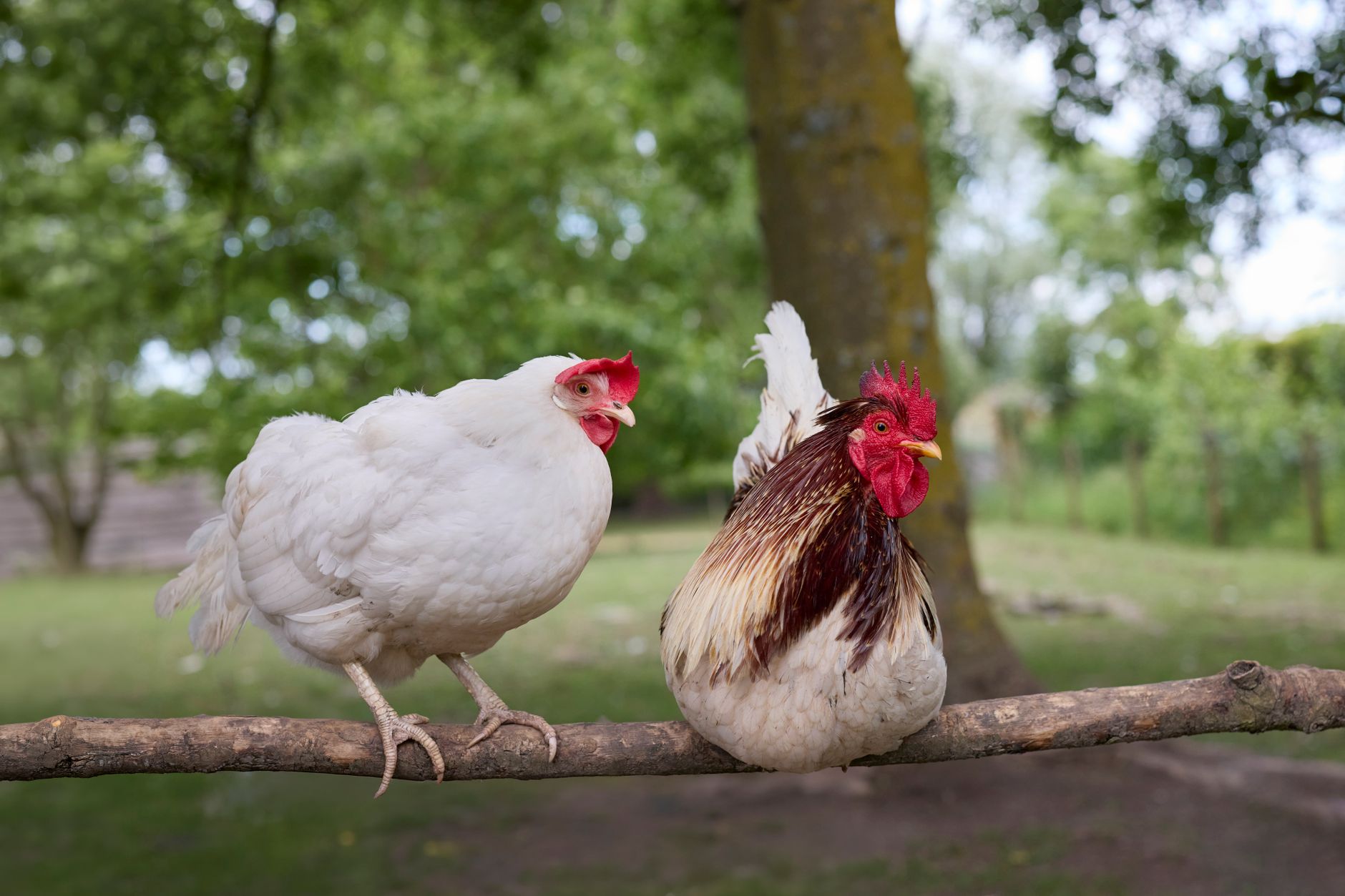
Dietary misconceptions can significantly shorten an avian lifespan. Seed-based diets are high in fat and lacking in vitamins, often leading to hepatic lipidosis, where fat accumulates in the liver. A health-focused approach prioritizes formulated pellets as a base, supplemented with fresh vegetables like kale, carrots, and bell peppers to improve plumage and longevity.
The domestic environment also contains hidden hazards. Birds have highly efficient respiratory systems that make them hypersensitive to airborne toxins. Overheated non-stick cookware coated with polytetrafluoroethylene (PTFE) can release colorless, odorless fumes that cause immediate respiratory distress or sudden death [2]. Scented candles, incense, and aerosol sprays are similarly dangerous. Maintaining a "bird-safe" home is a non-negotiable aspect of avian welfare.
Managing Specialized Health and Veterinary Care
Many exotic species employ a survival mechanism known as masking, where they hide signs of weakness or pain to avoid appearing vulnerable to predators. By the time a bird stops singing or a reptile refuses food, the illness is likely advanced. Recognizing subtle shifts—a change in posture, dullness in the eyes, or a slower response to stimuli—requires disciplined observation.
Preventative health focuses on metabolic and environmental stability. Regular fecal screenings are vital for detecting internal parasites like coccidia or pinworms. Additionally, maintaining a detailed health log is a critical diagnostic tool. Because exotic pets are often small, a weight loss of only a few grams can represent a significant percentage of their body mass. Tracking appetite, waste consistency, and the appearance of urates provides a window into hydration and kidney function that annual exams cannot capture.
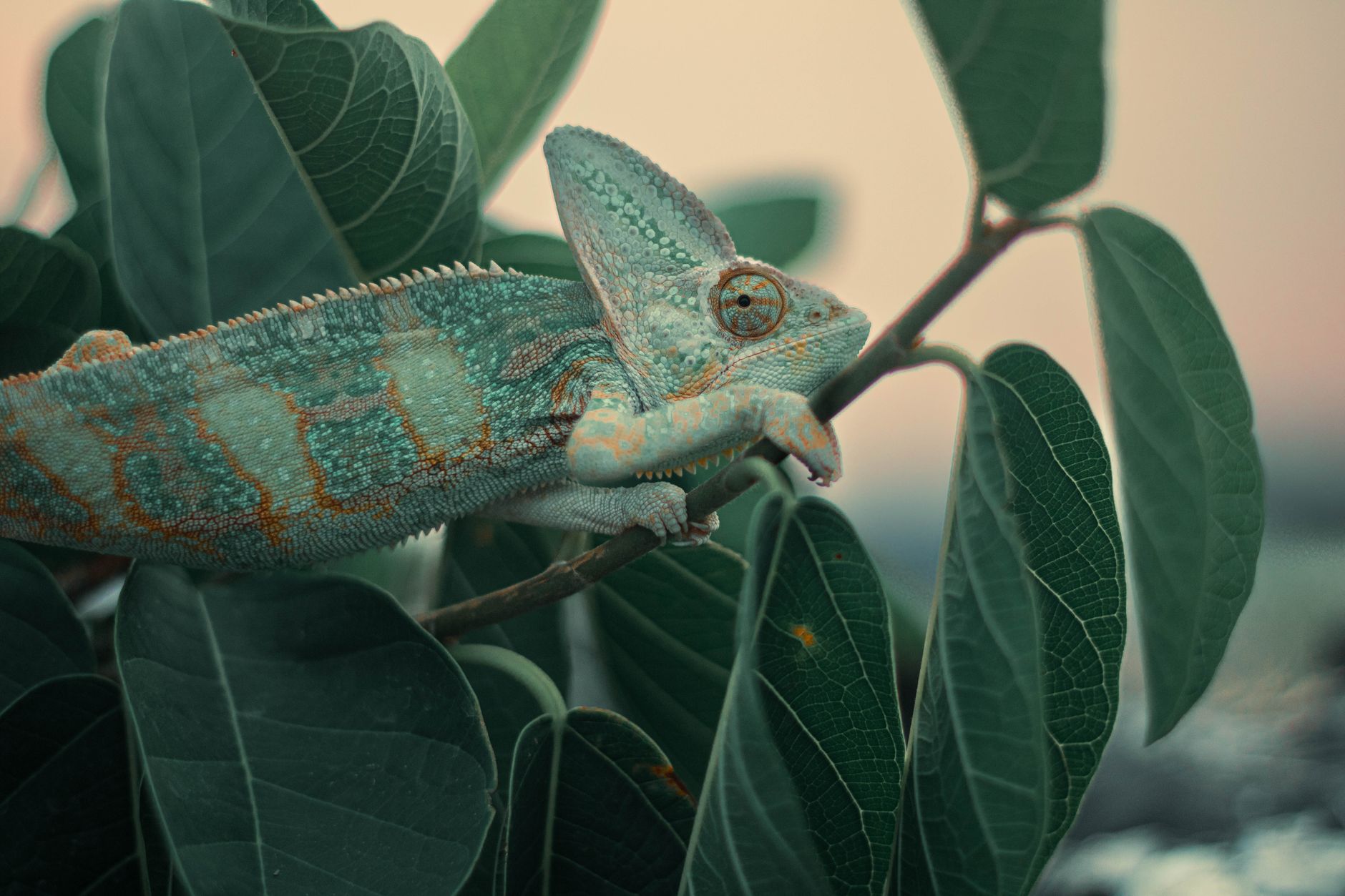
Medical interventions for unique species carry distinct risks. Cold-blooded animals metabolize drugs more slowly than mammals, requiring precise dosing to avoid toxicity. Anesthesia is particularly complex in avian patients due to their system of air sacs, making oxygenation a delicate balancing act. Building a long-term relationship with a specialized vet ensures the practitioner understands the specific home setup, allowing them to distinguish between a primary disease and a condition caused by husbandry errors.
Ethical Pet Sourcing and Stewardship
Viral trends often strip away the biological requirements of an animal, leaving only an aesthetic appeal that drives impulsive acquisitions. Stewardship begins with the discipline to ignore trends and instead investigate a species' evolutionary needs. This includes ethical pet sourcing; choosing captive-bred animals over wild-caught specimens reduces the pressure on fragile ecosystems and dismantles the market for illegal poaching [3].

Responsible ownership also involves community advocacy. Those who successfully manage these animals should steer others away from ill-informed choices, discouraging the purchase of "starter pets" that are actually high-maintenance species. By sharing the honest challenges—the cost of specialized care, the noise of a parrot, or the rigidity of a reptile's schedule—owners can foster a culture of informed consent.
Ultimately, the highest form of stewardship is the humility to recognize when an animal’s needs exceed one's ability to provide. While rehoming carries guilt, clinging to a pet in an environment where it cannot thrive is a failure of care. Recognizing that a specialized sanctuary or a more experienced keeper is the best option is a necessary act of compassion.
Conclusion
Bringing an exotic animal into the home is a profound commitment that transcends traditional pet ownership. It is a journey of continuous learning that requires a shift from wanting a companion to wanting to preserve a wild essence. Whether it is the meticulous calibration of a thermal gradient for a reptile or the complex social engagement required by a bird, the reward is a unique bond based on respect and biological understanding.
The practical takeaway for any prospective owner is to prioritize the animal's evolutionary needs over aesthetic preferences. Before acquiring a unique pet, secure a specialized veterinarian, research the legal status of the species, and commit to a lifespan that may span decades. True companionship is found not in the novelty of the animal, but in the quality of the life provided for it.
References
- CITES, "What is CITES?", Convention on International Trade in Endangered Species of Wild Fauna and Flora.
- AVMA, "Teflon and Birds", American Veterinary Medical Association.
- World Wildlife Fund (WWF), "The Illegal Wildlife Trade", Wildlife Trade Reports.
Hey there, I’m Hannah Müller. With a background in Veterinary Science and over 7 years diving deep into pet and animal welfare journalist guiding owners on health, behavior, and ethical treatment of companion animals., I try to bring a personal touch to every piece I write—grounded, clear, and real.