Editor's brief
Elite film festivals act as guardians of cinematic art, balancing high-fashion spectacle with intellectual rigor. By championing experimental narratives and regional voices, these gatherings prevent cinema from becoming mere content, ensuring the medium remains a visceral, communal experience.
#Film Festivals
#Cinema
#Haute Couture
#Global Storytelling
The red carpet is less a walkway and more a liminal space—a gilded threshold where the noise of celebrity culture meets the rigor of high art. To the casual observer, the spectacle is defined by the shimmer of gowns and the flash of diamonds, but for those within the orbit of elite cinema, the carpet serves as a visual prologue. When a filmmaker or actor arrives in a custom piece from a house like Schiaparelli or Chanel, it is a signaling mechanism. This intersection of haute couture and cinema creates a symbiotic halo effect, where the opulence of the attire lends a perceived prestige to the film before a single frame has flickered across the screen. The glamour does not distract from the art; it frames it, positioning the film as an object of luxury and desire. The Semiotics of the Red Carpet This aura of exclusivity is sustained by an invisible architecture of curation. For festivals like Venice or Cannes, the "Official Selection" acts as a seal of intellectual and aesthetic legitimacy. By restricting access to a handful of works, these institutions transform cinema from a mass-market commodity into a rare artifact. Nowhere is this hierarchy more palpable than at Cannes, where the festival functions as a temporary city-state with its own rigid social stratification. The specific color of an accreditation badge serves as a mark of professional nobility; for a burgeoning director, an invitation is an induction into an exclusive guild. The nature of this luxury is shifting as...
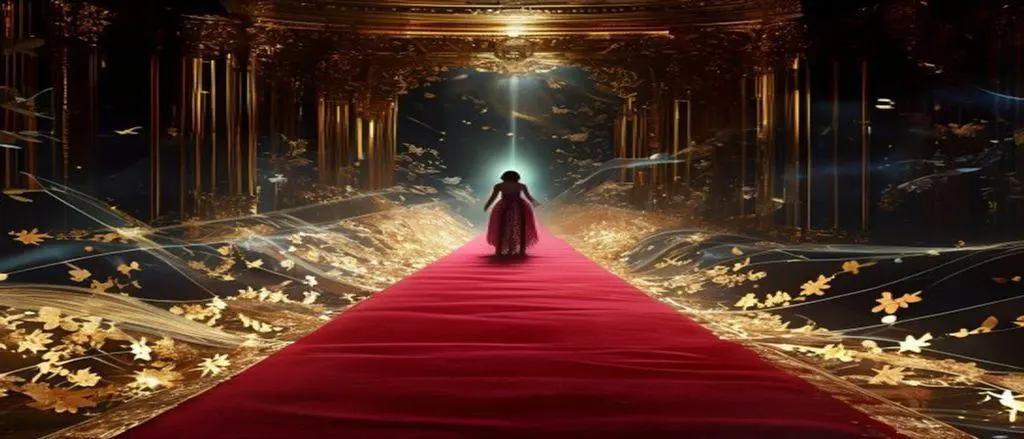
The red carpet is less a walkway and more a liminal space—a gilded threshold where the noise of celebrity culture meets the rigor of high art. To the casual observer, the spectacle is defined by the shimmer of gowns and the flash of diamonds, but for those within the orbit of elite cinema, the carpet serves as a visual prologue. When a filmmaker or actor arrives in a custom piece from a house like Schiaparelli or Chanel, it is a signaling mechanism. This intersection of haute couture and cinema creates a symbiotic halo effect, where the opulence of the attire lends a perceived prestige to the film before a single frame has flickered across the screen. The glamour does not distract from the art; it frames it, positioning the film as an object of luxury and desire.
The Semiotics of the Red Carpet
This aura of exclusivity is sustained by an invisible architecture of curation. For festivals like Venice or Cannes, the "Official Selection" acts as a seal of intellectual and aesthetic legitimacy. By restricting access to a handful of works, these institutions transform cinema from a mass-market commodity into a rare artifact. Nowhere is this hierarchy more palpable than at Cannes, where the festival functions as a temporary city-state with its own rigid social stratification. The specific color of an accreditation badge serves as a mark of professional nobility; for a burgeoning director, an invitation is an induction into an exclusive guild.

The nature of this luxury is shifting as disposable opulence gives way to a more conscious aesthetic. Stars are increasingly opting for archival fashion and vintage couture over newly commissioned pieces, turning the red carpet into a curated gallery of history. This move suggests that the glamour of the festival circuit is evolving to align with a global urgency for environmental responsibility, proving that prestige can exist without waste.
The Sanctuary of Experimentation
The experience reaches its crescendo in the sensory transition of the premiere. There is a psychological reset that occurs the moment the roar of the crowd cuts to a heavy, expectant silence as the house lights dim. In this void, the commercial imperative—the crushing pressure of the opening weekend box office—is momentarily suspended. The narrative is no longer a product to be optimized for a global demographic, but an artifact to be explored. This freedom encourages a departure from the traditional three-act structure, allowing filmmakers to experiment with fragmented timelines or ambiguous endings that would be deemed unmarketable by a studio executive.
This willingness to abandon the safe path often births new visual languages. Festivals have long been incubators for "slow cinema," a meditative approach characterized by long takes and minimal plot. Filmmakers like Apichatpong Weerasethakul have used these stages to champion a pacing that mirrors the rhythms of dreaming, challenging the frenetic energy of contemporary digital media. When such daring works are awarded a Golden Lion or a Palme d'Or, the recognition transforms a "difficult" film into a visionary one, signaling to the industry that intellectual rigor is a mark of prestige.
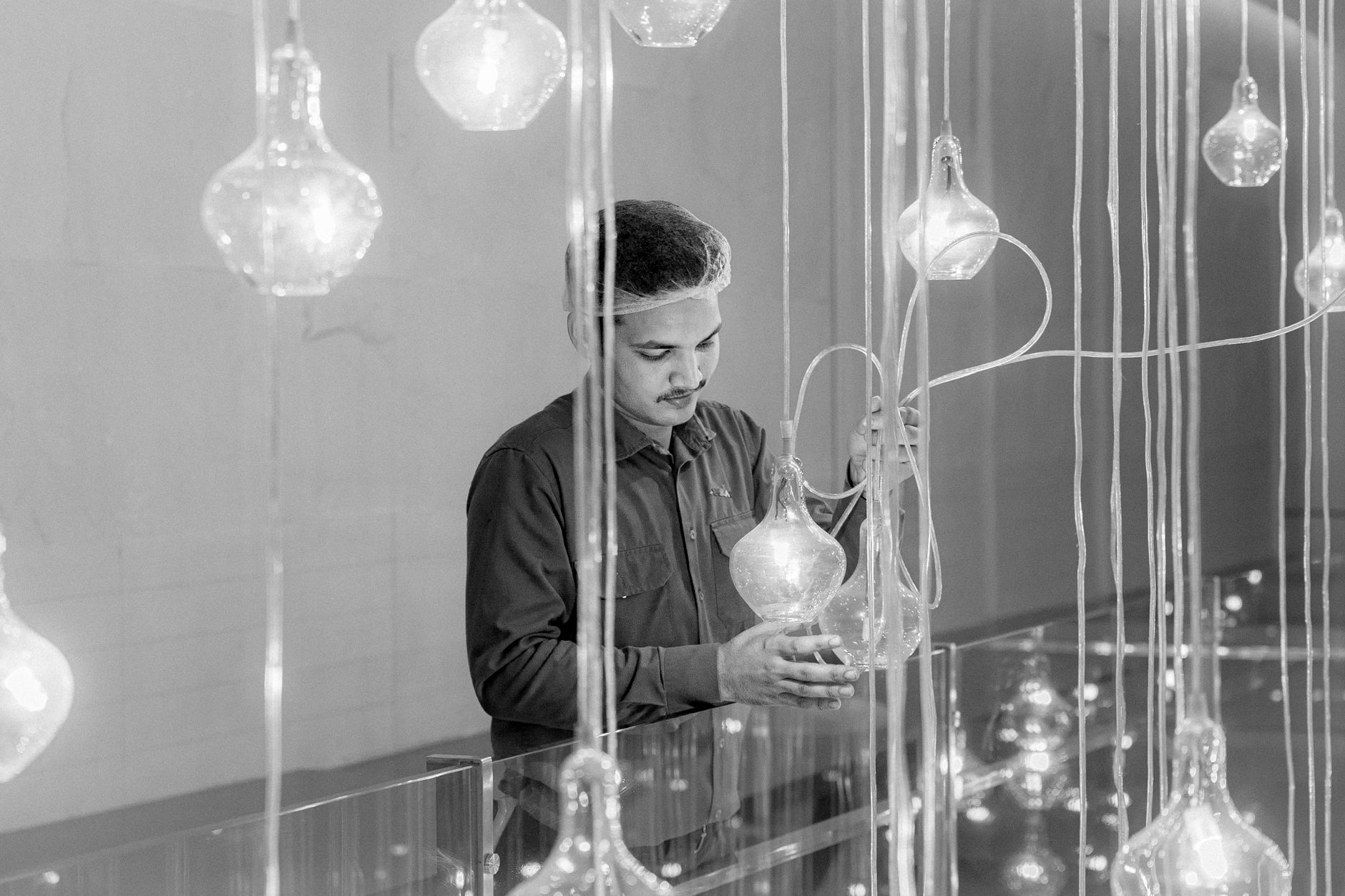
These high-art innovations inevitably trickle down into the mainstream. The gritty, handheld aesthetics and non-linear editing styles that once resided on the fringes of the Berlinale or Venice Film Festival eventually find their way into commercial productions and high-budget streaming series. This evolution is driven by a tension between classical craftsmanship and technology, where a devotion to 35mm or 70mm film is paired with immersive spatial audio, ensuring the medium expands without losing the visceral touch of the artist’s hand.
Bridging the Global Divide
In these curated spaces, the "foreign" is stripped of its distance. When a film from a marginalized region premieres, subtitles cease to be a barrier and instead become a bridge. By elevating regional stories into global narratives, elite festivals transform the hyper-local into the universal. This is evident in the work of filmmakers like Asghar Farhadi or Bong Joon-ho, whose stories lean heavily into the specific socio-economic frictions of their home countries. Because the festival provides a sophisticated stage, rigid class hierarchies or familial duties are recognized not as alien quirks, but as human truths.
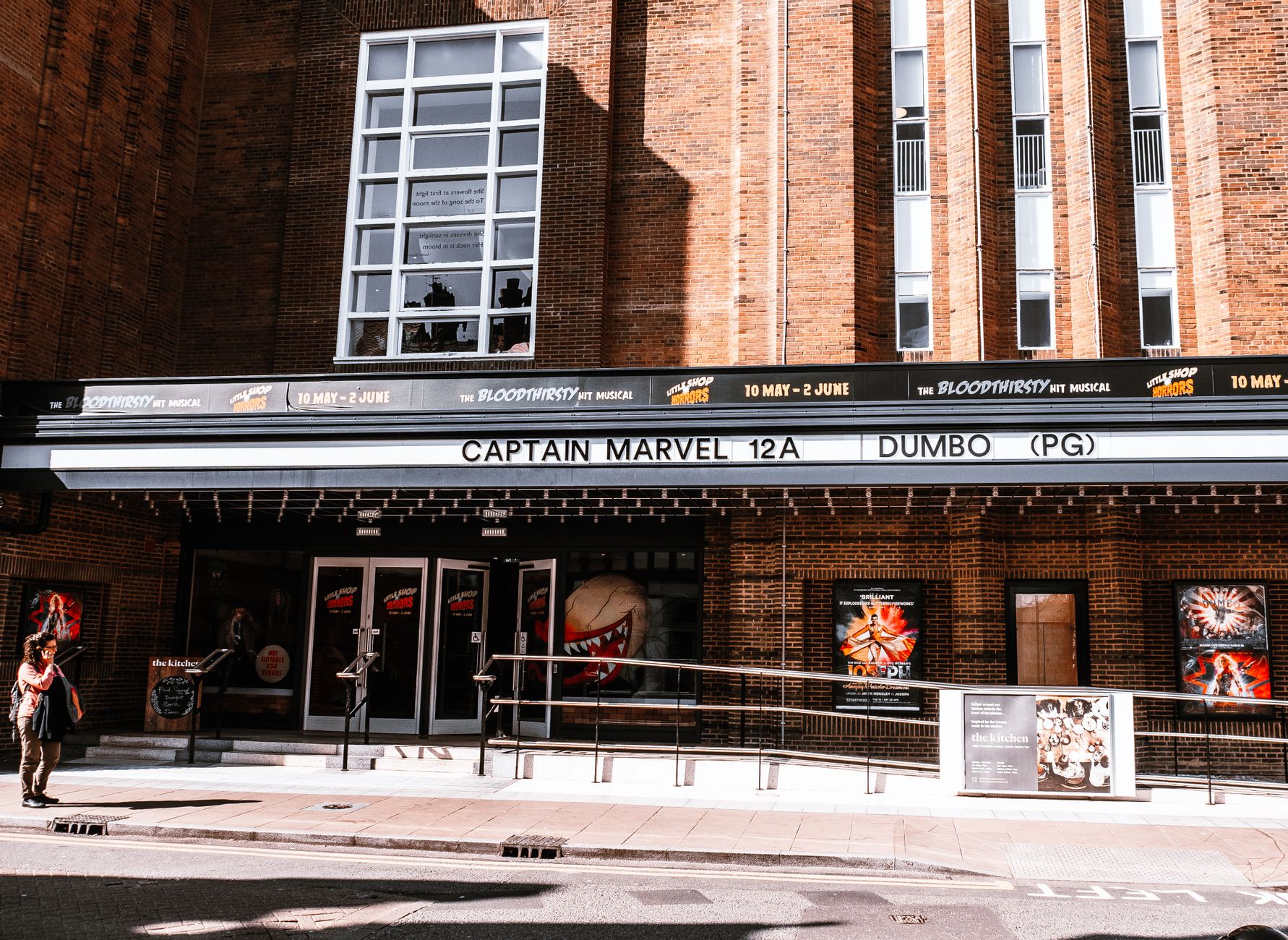
This visual grammar allows audiences to experience a culture not as a tourist, but as a witness. Beyond artistic validation, these gatherings function as the engine room for the global film economy. The prestige of a selection provides a seal of legitimacy that is often the only way a filmmaker from an underfunded region can attract international attention. This creates a cycle of international co-productions, where funding from Europe or North America blends with the creative vision of the Global South, resulting in hybrid aesthetics that push the boundaries of storytelling.
The Industrial Machinery
While the public focuses on the choreography of arrivals, the true machinery of the industry operates in the privacy of luxury hotel suites. The Marché du Film at Cannes serves as a cinematic stock exchange, where distribution rights are traded and the fate of a multi-year production can be decided in a single afternoon of negotiations. For an independent filmmaker, a festival laurel is a financial instrument; in an era of streaming algorithms, the stamp of approval from a jury acts as critical insurance for distributors.
This ecosystem creates a launchpad effect. Companies like A24 have mastered this trajectory, leveraging the buzz generated at these gatherings to curate a slate of films that feel like cultural events. The critical acclaim generated during these ten days often spurs a surge of private investment, as studio heads seek to attach themselves to the next breakthrough before bidding wars intensify. Similarly, the Venice Film Festival has evolved into a strategic staging ground for the Academy Awards, where premiering high-profile titles in late August cultivates a narrative of inevitability long before the first Oscar ballot is cast.
The Digital Frontier and the Ritual
The future of cinema is currently being negotiated between the algorithm and the artist. There is a growing shift toward "The Volume"—massive LED walls that wrap actors in a living environment [1]. This technology, while popularized by high-budget series, is seeping into auteur-driven projects, returning a sense of visceral immediacy to the digital image. Similarly, the Venice VR Expanded section has become a laboratory where the boundary between a traditional cinematic arc and a gaming narrative dissolves, reflecting a broader cultural shift toward interactivity.
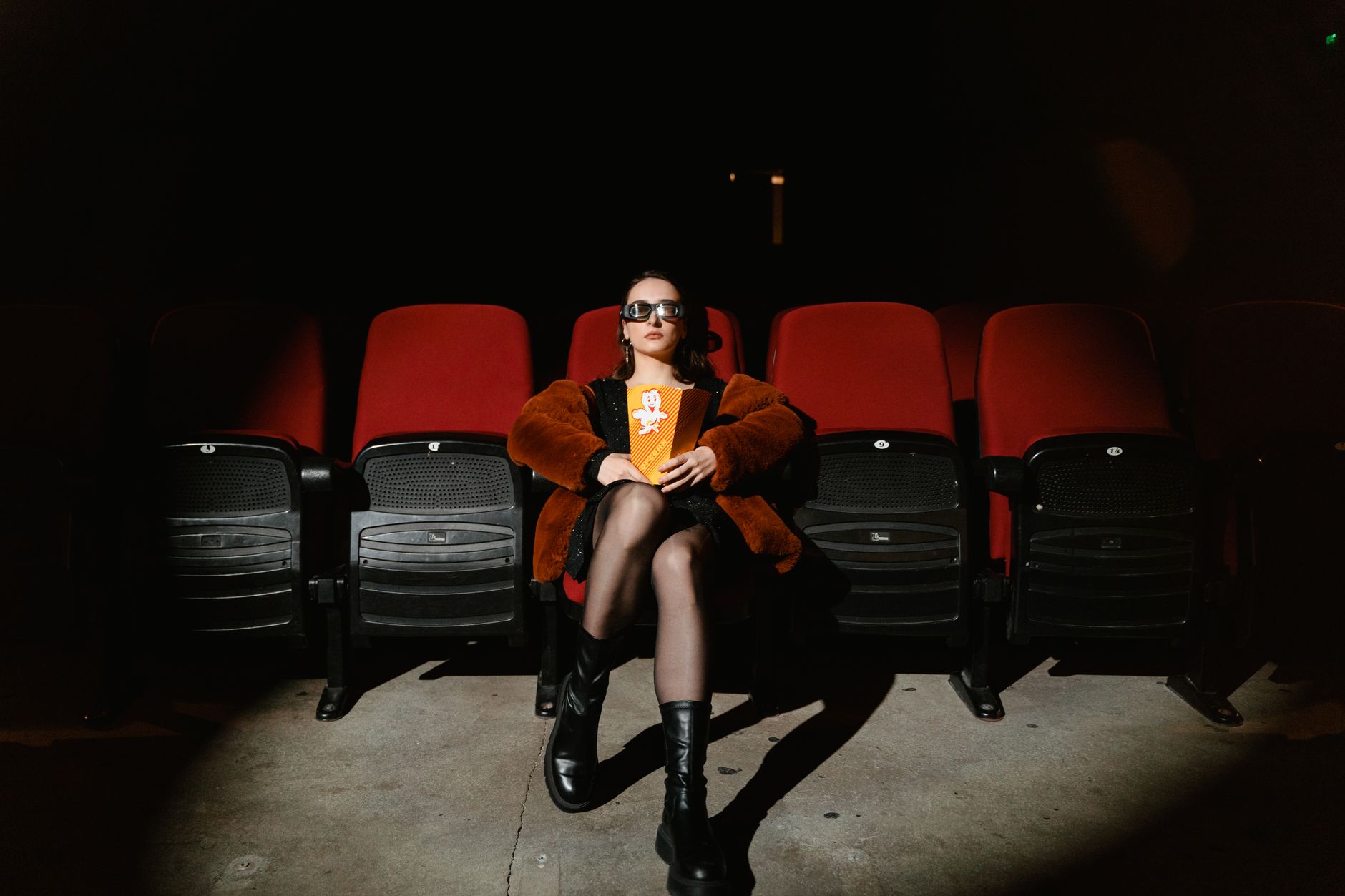
Yet, as tools become more ethereal, the ritual of the big screen remains intact. There is a shared silence in a darkened room—a collective intake of breath—that cannot be replicated in a living room. While digital curation and platforms that prioritize auteur-driven works have democratized access to world cinema for viewers in Singapore or Seoul, the physical gathering remains the primary architect of the cinematic canon. The discourse sparked by a controversial premiere forces a societal interrogation of morality and identity, nurturing a more sophisticated public consciousness than the isolated consumption of content.
Conclusion
Elite film festivals are far more than glamorous parties; they are the checkpoints where the industry calibrates the direction of storytelling for the coming decade. By balancing the raw ambition of the Marché du Film with the intellectual sanctuary of the screening room, these events protect cinema from being flattened by the demands of mass-market viability. They remind us that film is not merely "content," but a communal experience that demands our full presence.

The true value of these festivals lies in the discovery of voices that challenge the mainstream. Engaging with this world means seeking out "Official Selection" titles on curated platforms like MUBI or at local art-house cinemas, treating the act of viewing not as a passive habit, but as a deliberate exploration of the human condition.
References
- Industrial Light & Magic, "StageCraft: The Volume," ILM Official Site.

Hey there, I’m Serena Tan. With a background in Fine Arts and over 6 years diving deep into culture and fashion columnist highlighting how art, design, and style trends reflect identity, cities, and social change., I try to bring a personal touch to every piece I write—grounded, clear, and real.