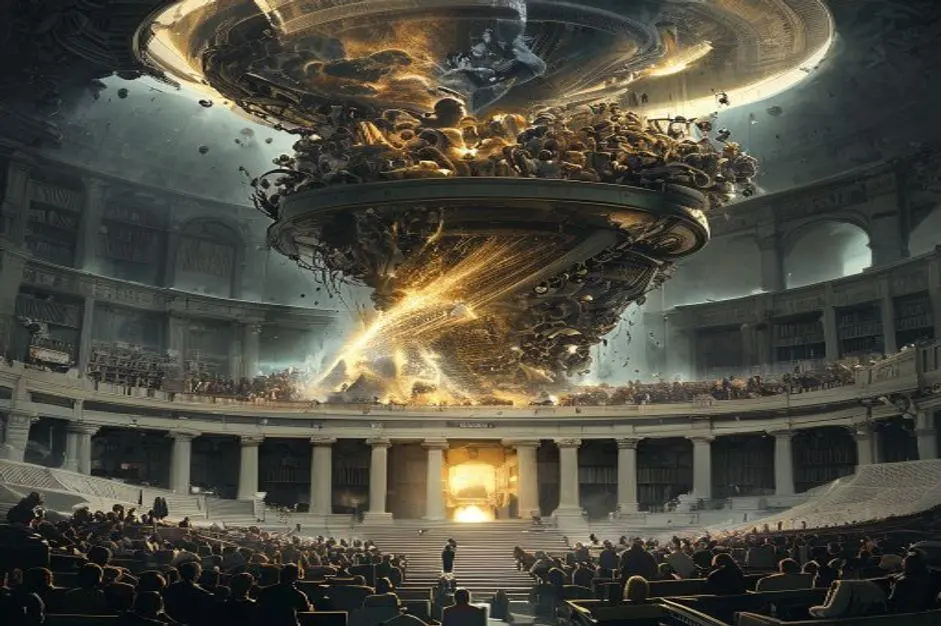
Editor's brief
Televised political debates function as engineered rituals where performative authority outweighs policy deliberation. Through strategic pivots and media-driven narratives, these events prioritize a candidate's composure and presidential demeanor over systemic solutions, often reinforcing existing partisan biases rather than informing the electorate.
#Political Debates
#Media Influence
#Voter Behavior
#Political Strategy
Televised political debates are rarely spontaneous exchanges of ideas. Instead, they function as engineered rituals designed to test a candidate's composure under pressure. While presented as forums for policy deliberation, these events operate as high-stakes performances, prioritizing the projection of authority over the resolution of complex governance issues. By analyzing the structural mechanics, rhetorical strategies, and media filters governing these events, it becomes evident that the podium acts as a stage for strategic combat, frequently overshadowing its potential as a platform for public education. Defining the Staged Confrontation: The Mechanics of Modern Debates Modern electoral debates operate as "staged confrontations," defined by rigid constraints on timing, moderation, and physical positioning [1]. This structure prioritizes performative conflict over deliberative exchange. In this context, a clear distinction exists between "deliberative discourse"—a collaborative process aimed at problem-solving—and "adversarial debate," a strategic encounter intended to undermine an opponent's credibility. The modern electoral format is strictly adversarial. As the primary gatekeeper, the moderator shapes the boundaries of discourse through question selection and strict time enforcement [1]. This role frequently catalyzes conflict by posing provocative questions that invite confrontation rather than deep policy exploration. This is complemented by the "Podium Dynamic," whe...
Televised political debates are rarely spontaneous exchanges of ideas. Instead, they function as engineered rituals designed to test a candidate's composure under pressure. While presented as forums for policy deliberation, these events operate as high-stakes performances, prioritizing the projection of authority over the resolution of complex governance issues. By analyzing the structural mechanics, rhetorical strategies, and media filters governing these events, it becomes evident that the podium acts as a stage for strategic combat, frequently overshadowing its potential as a platform for public education.
Defining the Staged Confrontation: The Mechanics of Modern Debates
Modern electoral debates operate as "staged confrontations," defined by rigid constraints on timing, moderation, and physical positioning [1]. This structure prioritizes performative conflict over deliberative exchange. In this context, a clear distinction exists between "deliberative discourse"—a collaborative process aimed at problem-solving—and "adversarial debate," a strategic encounter intended to undermine an opponent's credibility. The modern electoral format is strictly adversarial.

As the primary gatekeeper, the moderator shapes the boundaries of discourse through question selection and strict time enforcement [1]. This role frequently catalyzes conflict by posing provocative questions that invite confrontation rather than deep policy exploration. This is complemented by the "Podium Dynamic," where camera angles and physical barriers are engineered to project stability and authority [1]. Such constraints suggest that the procedural environment is designed to reward the appearance of leadership over the technical accuracy of a policy proposal, effectively favoring candidates who can master the theater of power over those who prioritize systemic detail.
Strategic Rhetoric: Mechanisms of Persuasion and Deflection
Candidates navigate these staged confrontations using rhetorical tools designed to maintain narrative control. A prevalent mechanism is the "pivot," where a speaker acknowledges a question briefly before transitioning to a pre-prepared talking point. This allows candidates to avoid unfavorable topics while ensuring their core campaign messages reach the audience regardless of the prompt.

To accommodate the fragmentation of modern attention, candidates increasingly rely on "soundbites"—concise, punchy phrases designed for rapid amplification on social media. These snippets often replace nuanced explanations, reducing complex socioeconomic issues to slogans. This linguistic compression is paired with a reliance on optics; non-verbal communication, including posture and facial expressions, frequently outweighs factual content in voter perception. When paired with the "attack-and-defend" cycle, the debate becomes a game of psychological positioning. This reliance on surface-level dominance suggests that political rhetoric in these settings aims to dominate the visual and emotional landscape of the broadcast, often insulating candidates from the actual scrutiny of their policy records.
The Media Filter: Shaping the Post-Debate Narrative
The influence of a debate extends beyond the live broadcast through "post-debate framing." News analysts typically declare a "winner" based on perceived agility and dominance, a consensus that often dictates how undecided voters perceive the event. This process translates a performative victory into a political one, regardless of the validity of the policies presented.
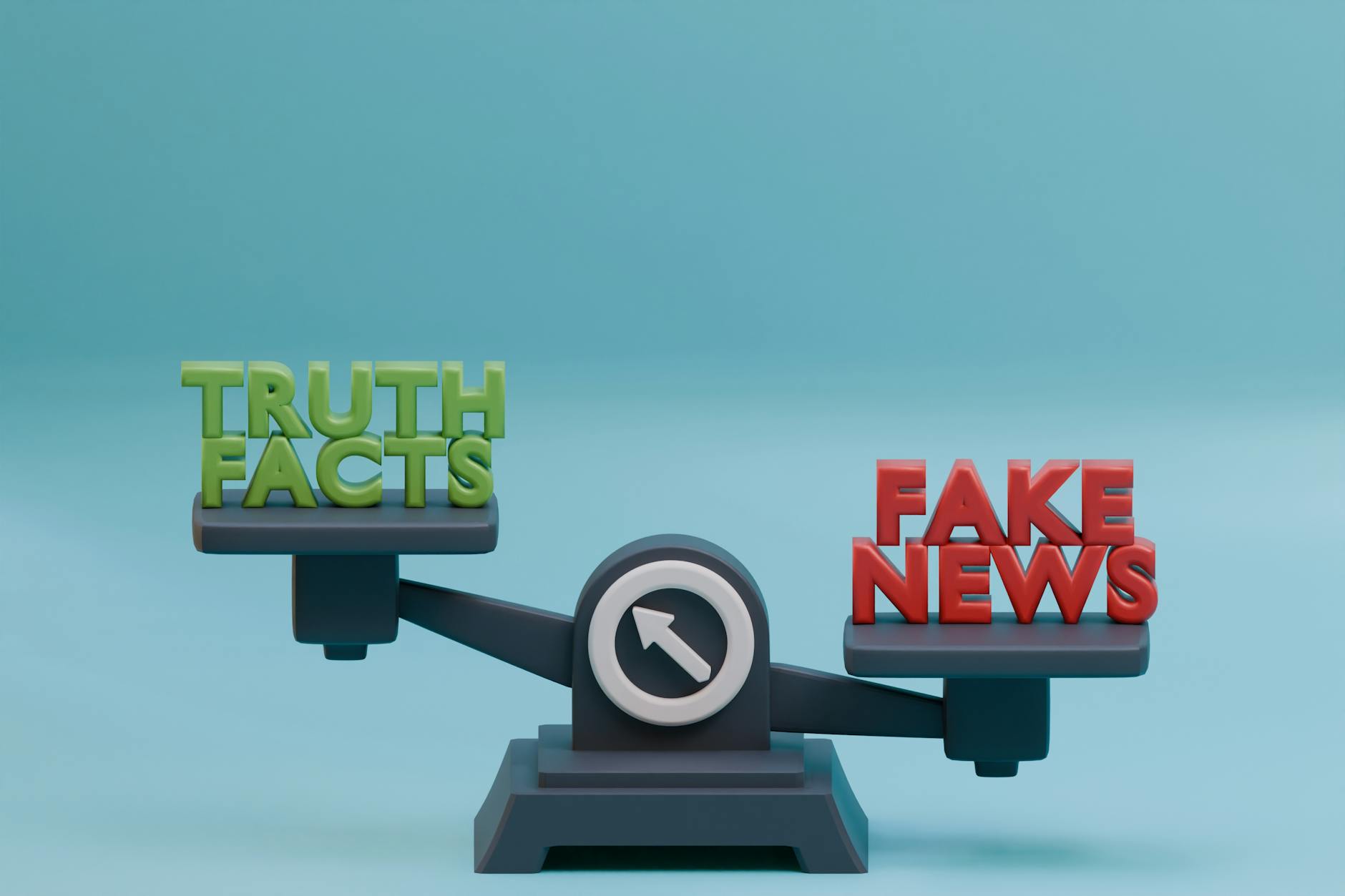
This narrative is accelerated by "clip culture," where full-length debates are fragmented into viral snippets on platforms like X and TikTok. These fragments strip away essential context, amplifying aggression and rewarding the most confrontational moments. Similarly, "instant polls" conducted immediately after the event often measure emotional reactions—or "vibes"—rather than long-term shifts in policy preference. This divide between the live experience and the curated media summary reinforces existing partisan biases, as viewers encounter only the fragments that confirm their pre-existing beliefs. The commodification of the debate into a series of clips transforms a democratic exercise into a product for consumption, eroding the public's ability to engage with comprehensive political arguments.
Voter Perception: Reinforcement vs. Conversion
Voter behavior during debates is primarily driven by a "reinforcement effect," where the event strengthens the convictions of those already aligned with a candidate. Rather than converting opponents, the debate serves as a psychological anchor for existing supporters. A "conversion effect" may occur among undecided or low-information populations, but this is typically triggered by a candidate's perceived "presidential demeanor" rather than specific policy alignment.

In this environment, the "gaffe"—a single verbal slip or awkward gesture—can have a disproportionate impact, becoming a symbol of incompetence that overshadows hours of competent performance. This phenomenon is driven by confirmation bias, where viewers interpret ambiguous moments as definitive evidence supporting their pre-existing views. Consequently, for many, the debate is a search for confirmation. This suggests that the performance of stability is more politically valuable than the substance of the platform, as the ritual of the debate reinforces tribal identities rather than fostering an informed electorate.
Boundaries and Limitations of Debate Influence
The impact of debates varies by jurisdiction and format. A distinction exists between national televised debates, where performative optics dominate, and local or municipal debates, where policy specificity carries more weight due to the immediate impact of local governance. Furthermore, in highly polarized environments, debates hit a "polarization limit," where they possess a diminishing capacity to shift polling percentages regardless of the performance.

Format also influences perception; "town hall" styles, featuring direct interaction with voters, generally yield higher perceptions of authenticity than the rigid podium format. Despite the media's focus on the "debate winner," historical data reveals a frequent disconnect between debate performance and electoral victory. Systemic factors, such as prevailing economic conditions and deep-seated party loyalty, typically override the short-term momentum gained from a successful broadcast. This underscores the ultimate limitation of the podium: while it can manipulate the immediate news cycle, it cannot fundamentally rewrite the structural and systemic drivers that determine election outcomes.
References
- Britannica, 'Political debate,' Encyclopedia Britannica, 2024. View source.

I'm Priya Sharma. I never imagined that my studies in Political Science would lead me here, but 13 years later, writing about politics and society analyst examining how laws, power structures, and history shape inequality, rights, and everyday life. has become my way of making sense of the world—and helping others do the same.