
Editor's brief
Legislation usually emerges from societal failures rather than sudden insights. The path from a draft to an enforceable law involves a tense balance of technical precision, political theater, and institutional checks, ultimately reflecting the power dynamics of the people who shaped it.
#Legislation
#Public Policy
#Governance
#Lawmaking
Most laws are not born from a sudden epiphany in a legislator's office, but from the friction of a societal failure. A new piece of legislation usually begins as a reaction to a gap where the existing legal framework has proven insufficient or obsolete. This is evident in the Right to Information (RTI) Act in India, which did not emerge from a top-down government initiative but from grassroots struggles by peasants and laborers who found that administrative secrecy prevented them from accessing basic entitlements [1]. When the gap between a citizen's need and the state's response becomes a systemic crisis, the pressure for a legislative remedy becomes irresistible. The Catalyst and the Technical Draft The transition from a perceived need to a formal proposal is a collaborative, often contentious, process. Executive agencies—the bureaucrats managing the day-to-day machinery of the state—often identify these gaps first through operational failures. Simultaneously, advocacy groups and think tanks provide the intellectual scaffolding, offering research and draft frameworks. This stage is a tug-of-war: while a government agency might prioritize administrative ease, a civil rights organization will push for stringent protections and accountability. Once a policy goal is established, the process shifts into the technical phase of drafting. This is the delicate act of translating a broad social objective into precise legal language. A goal such as "protecting digital privacy" is a se...
Most laws are not born from a sudden epiphany in a legislator's office, but from the friction of a societal failure. A new piece of legislation usually begins as a reaction to a gap where the existing legal framework has proven insufficient or obsolete. This is evident in the Right to Information (RTI) Act in India, which did not emerge from a top-down government initiative but from grassroots struggles by peasants and laborers who found that administrative secrecy prevented them from accessing basic entitlements [1]. When the gap between a citizen's need and the state's response becomes a systemic crisis, the pressure for a legislative remedy becomes irresistible.
The Catalyst and the Technical Draft
The transition from a perceived need to a formal proposal is a collaborative, often contentious, process. Executive agencies—the bureaucrats managing the day-to-day machinery of the state—often identify these gaps first through operational failures. Simultaneously, advocacy groups and think tanks provide the intellectual scaffolding, offering research and draft frameworks. This stage is a tug-of-war: while a government agency might prioritize administrative ease, a civil rights organization will push for stringent protections and accountability.
Once a policy goal is established, the process shifts into the technical phase of drafting. This is the delicate act of translating a broad social objective into precise legal language. A goal such as "protecting digital privacy" is a sentiment, not a law. To make it enforceable, drafters must define exactly what constitutes "personal data" and who qualifies as a "data fiduciary." If the language is too broad, the law becomes an instrument of overreach; if it is too narrow, it creates loopholes that corporations or bad actors can exploit.
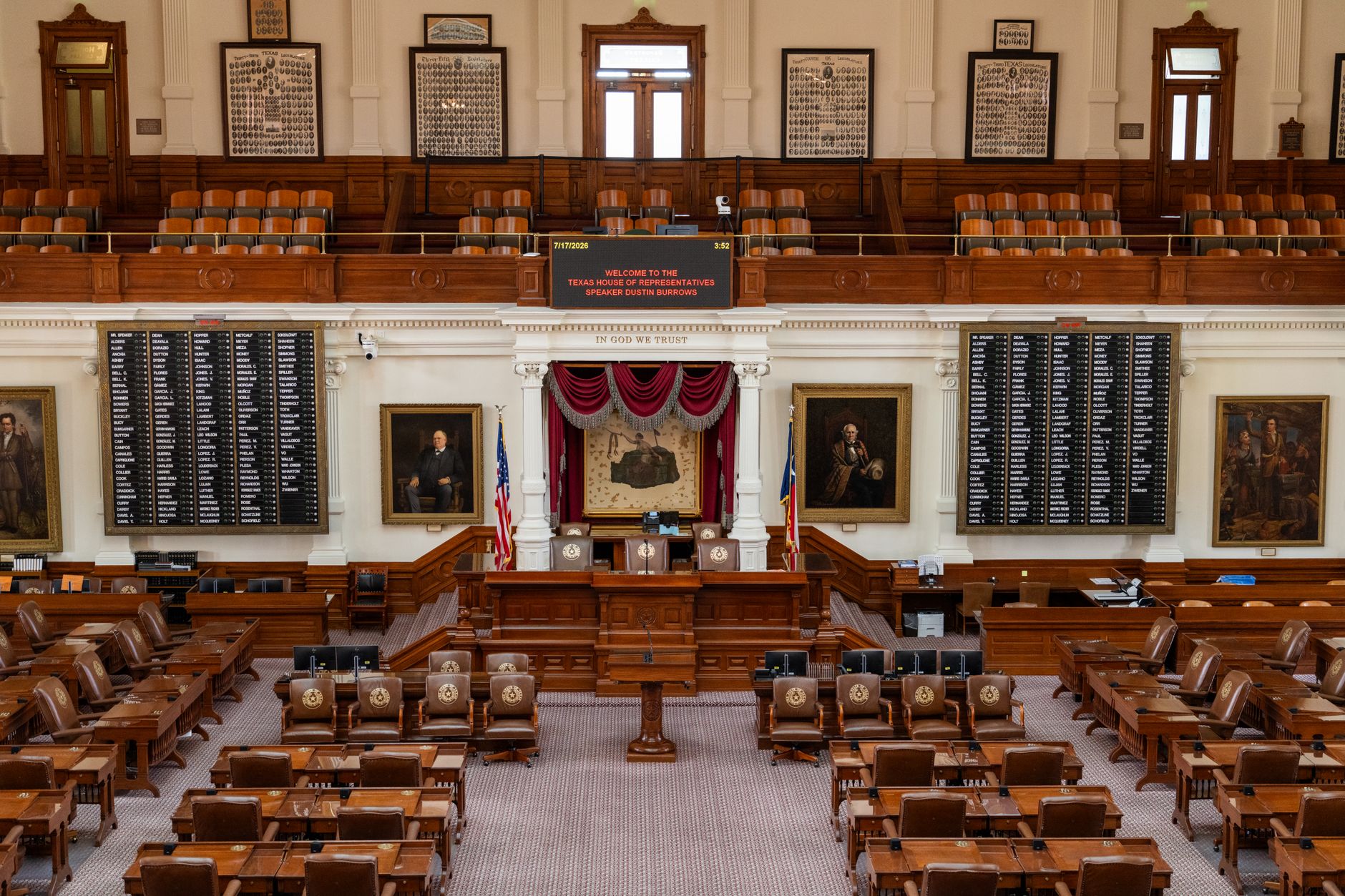
A drafted document remains a mere piece of paper until it finds a political champion. In most parliamentary and congressional systems, a bill must be sponsored by a member of the legislature to be formally introduced, transforming a policy proposal into a political instrument. Before reaching the floor, the bill undergoes a check for constitutional compatibility. Legal experts and parliamentary committees ensure it does not violate fundamental rights or exceed the jurisdiction of the legislative body, preventing the impulse to solve a current problem from dismantling foundational legal principles.
The Committee Room: Where Policy Meets Reality
While the public spectacle of a legislative session involves heated debates, the actual engineering of a law happens in the quiet confines of committee rooms. These committees act as the primary filter of governance, possessing the power to fast-track a priority project or quietly allow a contentious proposal to wither through inaction, a process known as "pigeonholing."

This is where abstract policy meets the friction of reality. Through public hearings, committees invite those who will be governed by the law to testify. When a bill regarding agricultural subsidies or digital privacy is scrutinized, the testimony of a small-scale farmer or a cybersecurity expert provides a corrective lens that politicians often lack. These hearings reveal unintended consequences—such as a loophole that might favor a corporate monopoly over a local vendor—before the law is finalized.
The subsequent "markup" phase is a surgical exercise in drafting. Committee members debate specific wording, recognizing that in law, the difference between the words shall and may determines whether a government agency is mandated to act or merely permitted to do so. Strict adherence to parliamentary procedure ensures that even minority voices have a structured window to propose amendments, preventing the process from becoming a mere rubber stamp for the executive branch.
The Floor: Politics as Performance
The transition from a committee room to the legislative floor is a move from the surgical to the theatrical. While committees fix loopholes, the floor debate is where the political record is written. Members engage in formal arguments not only to persuade colleagues but to signal their values to their constituents, turning dry legislation into a battleground for competing visions of justice.
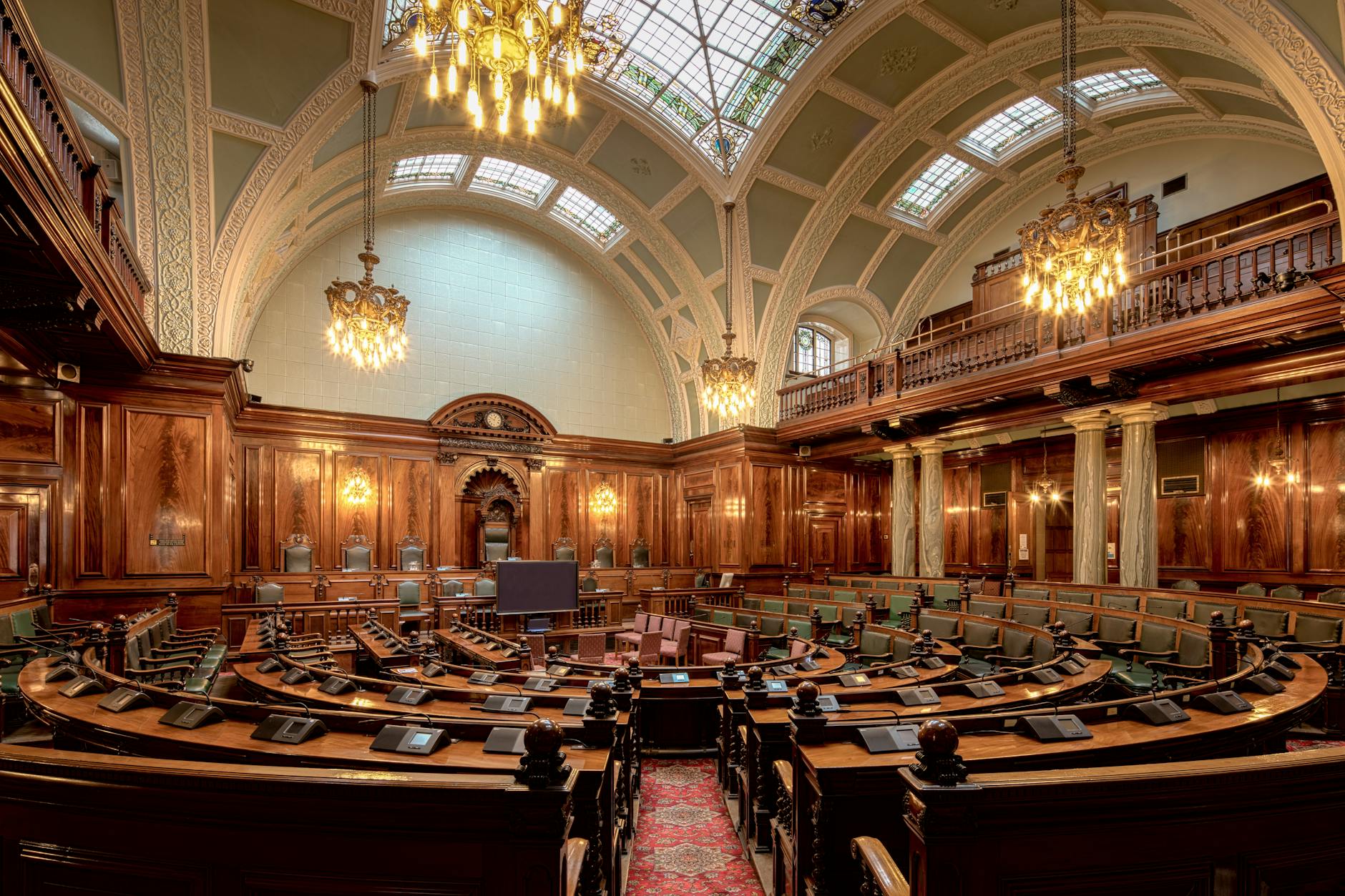
This stage is characterized by intense negotiation through floor amendments. An amendment can be a tool for genuine compromise or a tactical weapon. In many parliamentary systems, the opposition may introduce "poison pill" amendments—proposals designed to be so extreme that they force sponsors to either reject the amendment and appear unreasonable or accept it and render the bill dead on arrival.
The presiding officer, such as the Speaker, manages this friction by controlling the clock and ruling on the admissibility of amendments. The use of "guillotine motions" to truncate debate can accelerate a bill's passage, but often at the cost of thorough scrutiny. The process culminates in a formal vote, often influenced by the "party whip" who ensures members vote along party lines. The resulting approval is less a stamp of perfection and more a confirmation that a specific political coalition has the will and the numbers to impose its vision.
The Friction of Bicameralism and Reconciliation
In bicameral systems, a bill must be passed in identical form by both chambers to become law. If the upper house—such as the Rajya Sabha in India or the Senate in the United States—alters a single clause, the legislation must return to its point of origin. This "ping-pong" effect can last weeks or months.

When a stalemate occurs, the process moves to private negotiation, often via a conference committee where lawmakers trade regulatory details for funding provisions. In the Indian context, if a deadlock persists, the President may call for a Joint Sitting under Article 108 of the Constitution [2]. While this breaks the impasse, the numerical strength of the lower house often outweighs the upper house, shifting the dynamic from consensus-building to a sheer exercise of majority power.
This stage is where the friction of partisan politics is most visible. Legislation popular with the public can die here if it becomes a pawn in a broader strategic battle. Despite this inefficiency, this double-layer of scrutiny serves as a vital institutional brake, preventing the "tyranny of the majority" from rushing impulsive laws into existence.
The Executive Seal and the Veto
The final survival of a bill depends on the tension between the legislative and executive branches. When the head of the executive branch signs the document, it transforms from a theoretical proposal into an enforceable command. However, the executive's power includes the veto, which allows for the total rejection of a bill. The threat of a veto often forces legislators to rewrite bills during the drafting stage to appease the executive, shifting the center of policy-making from the parliament to the executive office.

To prevent an absolute monopoly, most systems allow for a veto override, typically requiring a supermajority—such as a two-thirds vote. This ensures that an override only happens when there is an overwhelming consensus that transcends partisan lines. In the United States, the executive may also use a "pocket veto" by refusing to sign a bill when the legislature adjourns within a ten-day window. This is an act of strategic silence, killing legislation without formal justification or the possibility of an override.
Law as a Mirror of Power
A law is rarely a neutral instrument of justice; it is often the fossilized remains of a political struggle. The wording of a statute reflects who held the leverage to define what is legal. This leverage is often exerted via "regulatory capture," where the industries being regulated provide the technical expertise for the drafting process, masking political favors as administrative detail.

The true measure of governance is the ability to translate broad policy goals into functional statutes. There is often a wide gap between a campaign promise—such as "eradicating poverty"—and the actual legislative machinery required to achieve it. When this gap is not bridged, the result is a law that is overly broad, leading to inconsistent enforcement and public frustration.
The stability of the rule of law depends on the transparency of these processes. When legislation is fast-tracked or passed through executive ordinances without debate, the law becomes a source of anxiety rather than a safeguard. The legislative history—the records of debates and committee reports—serves as a roadmap for the judiciary. When a law is vague, courts look to this record to determine "legislative intent." A rushed debate leaves a vacuum, effectively shifting the power of lawmaking from the elected legislature to the appointed courts.
Conclusion
The journey from a bill to a law is not a linear path but a series of filters designed to balance efficiency, representation, and stability. From the initial spark of societal failure to the final executive signature, each stage—drafting, committee scrutiny, floor debate, and reconciliation—refines the intent of the law and tests its political viability. For the citizen, the practical takeaway is that the process of lawmaking is as critical as the text of the law itself.
To truly understand a statute, one must look beyond the final document and examine the compromises made, the voices excluded, and the political pressures that shaped its final form. Understanding this maze allows citizens to move from being passive subjects of the law to active participants in the democratic process, holding legislators accountable not just for the laws they pass, but for how they pass them.
References
- Right to Information Act, 2005, Government of India.
- The Constitution of India, Article 108 (Joint Sitting of both Houses).

I'm Priya Sharma. I never imagined that my studies in Political Science would lead me here, but 13 years later, writing about politics and society analyst examining how laws, power structures, and history shape inequality, rights, and everyday life. has become my way of making sense of the world—and helping others do the same.