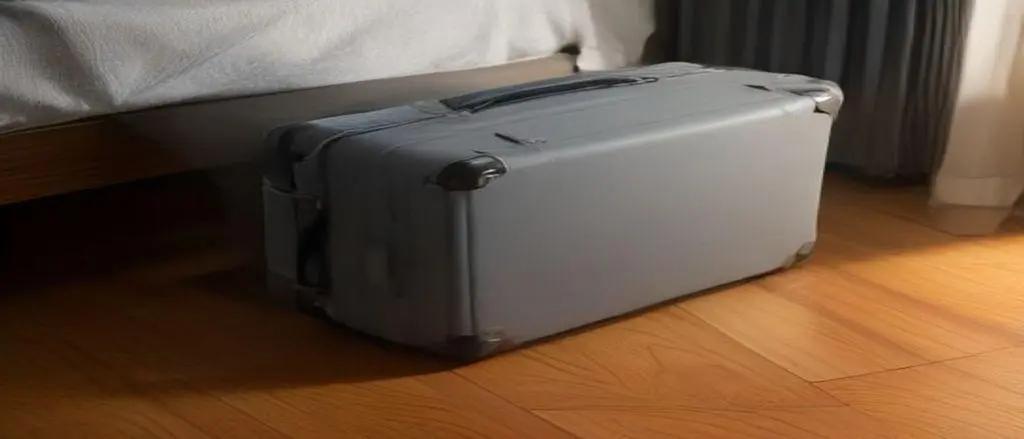
Editor's brief
Packing for a trip often turns into a stressful battle with airline sizers and weight limits. A systematic approach using capsule wardrobes, volumetric layouts, and strict adherence to security regulations transforms luggage from a burden into a streamlined tool for exploration.
#Travel Packing
#Capsule Wardrobe
#Airport Security
#Travel Tips
Nothing dampens the spirit of a new adventure faster than the frantic scramble at a boarding gate, realizing your bag is two centimeters too wide for the airline sizer or several kilograms over the limit. Whether you are navigating the cobblestone alleys of Florence or trekking through the bustling markets of Mumbai, the difference between a seamless journey and a stressful start lies in the strategy you employ before you even leave your bedroom. Packing is not merely about fitting items into a box; it is about curating a mobile lifestyle that allows you to move freely and focus on the experience rather than your luggage. Phase 1: The Blueprint—Gear Selection and Planning Before a single sock enters your suitcase, you must establish the physical boundaries of your trip. The most critical prerequisite is to vet your luggage against the specific dimensions and weight limits of your airline. Failing to do so can result in unexpected gate fees, which vary by carrier and route but often add an unwelcome cost to a budget-conscious itinerary. To avoid these costs, distinguish clearly between a "carry-on" and a "personal item." A carry-on is designed for the overhead bin, while a personal item must fit under the seat in front of you. This distinction is vital when booking with budget carriers, as these airlines often charge for any bag that exceeds the small personal item allowance. For those unsure about specific items, the "What can I bring?" feature in the myTSA app provides immed...
Nothing dampens the spirit of a new adventure faster than the frantic scramble at a boarding gate, realizing your bag is two centimeters too wide for the airline sizer or several kilograms over the limit. Whether you are navigating the cobblestone alleys of Florence or trekking through the bustling markets of Mumbai, the difference between a seamless journey and a stressful start lies in the strategy you employ before you even leave your bedroom. Packing is not merely about fitting items into a box; it is about curating a mobile lifestyle that allows you to move freely and focus on the experience rather than your luggage.
Phase 1: The Blueprint—Gear Selection and Planning
Before a single sock enters your suitcase, you must establish the physical boundaries of your trip. The most critical prerequisite is to vet your luggage against the specific dimensions and weight limits of your airline. Failing to do so can result in unexpected gate fees, which vary by carrier and route but often add an unwelcome cost to a budget-conscious itinerary.
To avoid these costs, distinguish clearly between a "carry-on" and a "personal item." A carry-on is designed for the overhead bin, while a personal item must fit under the seat in front of you. This distinction is vital when booking with budget carriers, as these airlines often charge for any bag that exceeds the small personal item allowance. For those unsure about specific items, the "What can I bring?" feature in the myTSA app provides immediate verification of item permissibility [1].

By aligning your gear with these strict parameters, you achieve a bag that fits the sizer and remains under the weight limit. In practice, treating your luggage dimensions as a hard limit rather than a suggestion prevents the airport anxiety that often plagues unprepared travelers.
Phase 2: The Capsule Strategy—Curating Versatile Gear
Once the boundaries are set, the focus shifts to what goes inside. The goal is to maximize utility while minimizing volume. A highly effective approach is the "3-3-3 Rule," which involves packing three tops, three bottoms, and three pairs of shoes. This minimalist capsule wardrobe ensures that every piece coordinates with the others, drastically reducing the total garment count without sacrificing variety.
To make this work, implement a "Neutral + Accent" color palette. Pairing navy or black bottoms with white basics and a single accent color, such as dusty blue, allows for a wide array of outfit combinations. When selecting fabrics, prioritize materials with high warmth-to-weight ratios, such as merino wool, which can handle temperature shifts without adding bulk. Additionally, adopt "Day-to-Night" dressing—choosing garments versatile enough for both a morning museum tour and a sophisticated dinner—to remove the need for occasion-specific clothing.

This strategic curation suggests that style and efficiency are not mutually exclusive; rather, a limited palette reduces decision fatigue, allowing you to spend more time exploring local cultures and less time wondering what to wear.
Phase 3: The Space-Saving Execution—Rolling, Folding, and Cubes
How you place your items is just as important as what you pack. The most efficient method is to combine techniques based on fabric type. Use "Ranger Rolling" for casual items like T-shirts and leggings to eliminate air pockets and save space. Conversely, use flat folding for structured garments, such as blazers or button-down shirts, to prevent deep creases. Be cautious, however, as relying solely on tight rolling for formal attire can create concentrated crease points in delicate fabrics.
To further optimize volume, deploy compression packing cubes. These tools mathematically reduce the space your clothes occupy, though there is a trade-off: extreme compression can make a bag feel lighter in terms of volume while the actual mass remains the same, potentially leading to overweight bags.

To maintain balance and maximize every inch, use a Three-Zone Volumetric Layout:
- The Base: Place heavy items, such as shoes and toiletries, at the bottom near the wheels to ensure stability.
- The Core: Arrange your compression cubes and rolled clothing in the center.
- Tessellation Gaps: Fill the remaining small voids by stuffing socks or chargers inside your shoes.
Phase 4: Navigating Security and Airline Regulations
Packing for the destination is only half the battle; you must also pack for the security checkpoint. For liquids, adhere to the TSA "3-1-1" rule: containers must be 3.4oz (100ml) or smaller, and all must be contained within one quart-size bag [2]. While some hubs with updated CT scanners may have relaxed these restrictions, the 3-1-1 rule remains the safest universal standard to avoid delays.
Safety regulations are particularly strict regarding electronics. Lithium-powered portable chargers (power banks) are prohibited in checked luggage and must be kept in your carry-on bags to prevent fire hazards in the cargo hold [2]. To avoid the "Volume-to-Weight Paradox"—where aggressive packing makes a bag look half-empty but exceeds weight limits—use a digital luggage scale at home before leaving.

For those traveling in pairs, a helpful hack is to "pool" weight allowances. By having one partner carry a lighter bag to compensate for the other's heavier one, couples can reduce the risk of individual overweight penalties. This cooperative strategy transforms a potential stress point into a shared effort, streamlining the transition through the terminal.
Phase 5: The Final Audit—Mistakes and Compatibility Warnings
The final step is a rigorous audit to remove unnecessary weight and ensure legal compliance. A common mistake is packing "just in case" items that are rarely used; instead, wear your bulkiest items, such as heavy jackets or boots, during transit to free up significant suitcase volume. Similarly, reduce your reliance on liquid toiletries by switching to solid alternatives, such as shampoo bars or laundry sheets, which bypass liquid limits and eliminate the risk of leaks.
Crucially, verify that your identification is current. For all U.S. domestic flights, ensure your ID meets the REAL ID requirement, which becomes effective May 7, 2025, to avoid being denied security access [2].

By following this sequential process—from blueprinting your gear to a final audit of your documents—you arrive at the expected result: a streamlined, weight-compliant bag. This disciplined approach ensures a stress-free transition from the check-in counter to the boarding gate, leaving you free to embrace the adventure ahead.
References
- Transportation Security Administration, 'What can I bring?,' TSA.gov, 2025. View source.
- Transportation Security Administration, 'Liquids, Gels and Aerosols / REAL ID,' TSA.gov, 2025. View source.

I'm Isabella De Luca from Italy. After 7 years working across topics related to travel and food storyteller showcasing immersive journeys, local cuisines, and cultural rituals around the world., I’ve discovered that the best writing comes from empathy, clarity, and a genuine desire to connect.