Editor's brief
This article explores how classical music serves as the foundational architecture for modern sound. By analyzing orchestral composition and music theory, it reveals how timeless techniques continue to influence contemporary hits, film scores, and production, urging readers to cultivate deeper listening habits in an algorithmic world.
#Music Theory
#Music Production
#Classical Music
#Sound Design
In our hyper-connected, digital-first era, where the average song duration continues to shrink and algorithms dictate our daily sonic intake, the profound influence of classical music remains unexpectedly vibrant. As a music producer, I view these orchestral masterpieces not as relics of a bygone era, but as the foundational architecture that informs every modern hit. By bridging the gap between historical composition and contemporary production, we can uncover why these symphonic echoes continue to define our emotional experiences today. The Enduring Language of Orchestral Composition To understand the heartbeat of modern music, one must first listen to the echoes of the past. As a producer, I often tell my peers that if you want to understand the "architecture" of a hit—whether it’s a film score that brings an audience to tears or a pop track that feels surgically engineered for impact—you have to look at the foundations laid by timeless composers. Orchestral composition is the blueprint for how we manipulate human emotion through sound. When we break down a symphony, we observe a sophisticated exercise in music theory; the "build-up" in a modern electronic dance track, for instance, is a direct descendant of the symphonic progression found in works by composers like Mahler or Beethoven [1]. These works transcend language barriers, offering a depth of experience that is increasingly rare in our world of immediate gratification. Navigating the Foundations of Music Theory Mus...
In our hyper-connected, digital-first era, where the average song duration continues to shrink and algorithms dictate our daily sonic intake, the profound influence of classical music remains unexpectedly vibrant. As a music producer, I view these orchestral masterpieces not as relics of a bygone era, but as the foundational architecture that informs every modern hit. By bridging the gap between historical composition and contemporary production, we can uncover why these symphonic echoes continue to define our emotional experiences today.
The Enduring Language of Orchestral Composition
To understand the heartbeat of modern music, one must first listen to the echoes of the past. As a producer, I often tell my peers that if you want to understand the "architecture" of a hit—whether it’s a film score that brings an audience to tears or a pop track that feels surgically engineered for impact—you have to look at the foundations laid by timeless composers. Orchestral composition is the blueprint for how we manipulate human emotion through sound. When we break down a symphony, we observe a sophisticated exercise in music theory; the "build-up" in a modern electronic dance track, for instance, is a direct descendant of the symphonic progression found in works by composers like Mahler or Beethoven [1]. These works transcend language barriers, offering a depth of experience that is increasingly rare in our world of immediate gratification.
Navigating the Foundations of Music Theory
Music theory acts as the universal grammar of human emotion. It is the invisible scaffolding that helps us decipher why a soaring major triad feels triumphant or why a dissonant, minor-second interval triggers melancholy. Modern film scores, which rely heavily on the leitmotif—a recurring musical phrase associated with a specific character or idea—are direct artistic descendants of the Romantic era's narrative techniques [2]. By understanding how a subdominant chord pulls toward a dominant before resolving into the tonic, listeners shift from being passive recipients of sound to active participants in the unfolding drama of a composition.
The Legacy of Timeless Composers
The original architects of sound, such as Johann Sebastian Bach, codified the rules of counterpoint and harmony that underpin almost every piece of Western music we hear today. These pioneers pushed the boundaries of their time, creating complex, multi-layered "tracks" that, if stripped down, resemble the meticulous layering performed in a modern DAW [3]. Their personal struggles, whether it was the deafness that haunted Beethoven or the societal pressures faced by Mozart, infused their work with a human element that ensures their music remains stubbornly relevant. This legacy established the concept of the individual "auteur," providing a blueprint for the modern singer-songwriter and producer alike.
Cultivating Music Appreciation in a Fast-Paced World
In an age of "skip-culture," where a track is often discarded if the hook doesn't land in seconds, music appreciation has become a form of mental rebellion. Cultivating a deep listening habit requires us to treat long-form orchestral pieces as a sanctuary from the ping of notifications. This practice not only sharpens cognitive focus but also allows us to explore the nuances of different interpretations. By utilizing modern streaming platforms to compare high-fidelity recordings, listeners can discover how individual conductors manipulate tempo and dynamics to alter the emotional weight of a phrase, thereby transforming the listening process into a kaleidoscope of possibilities [4].
Classical Music in the Modern Soundscape
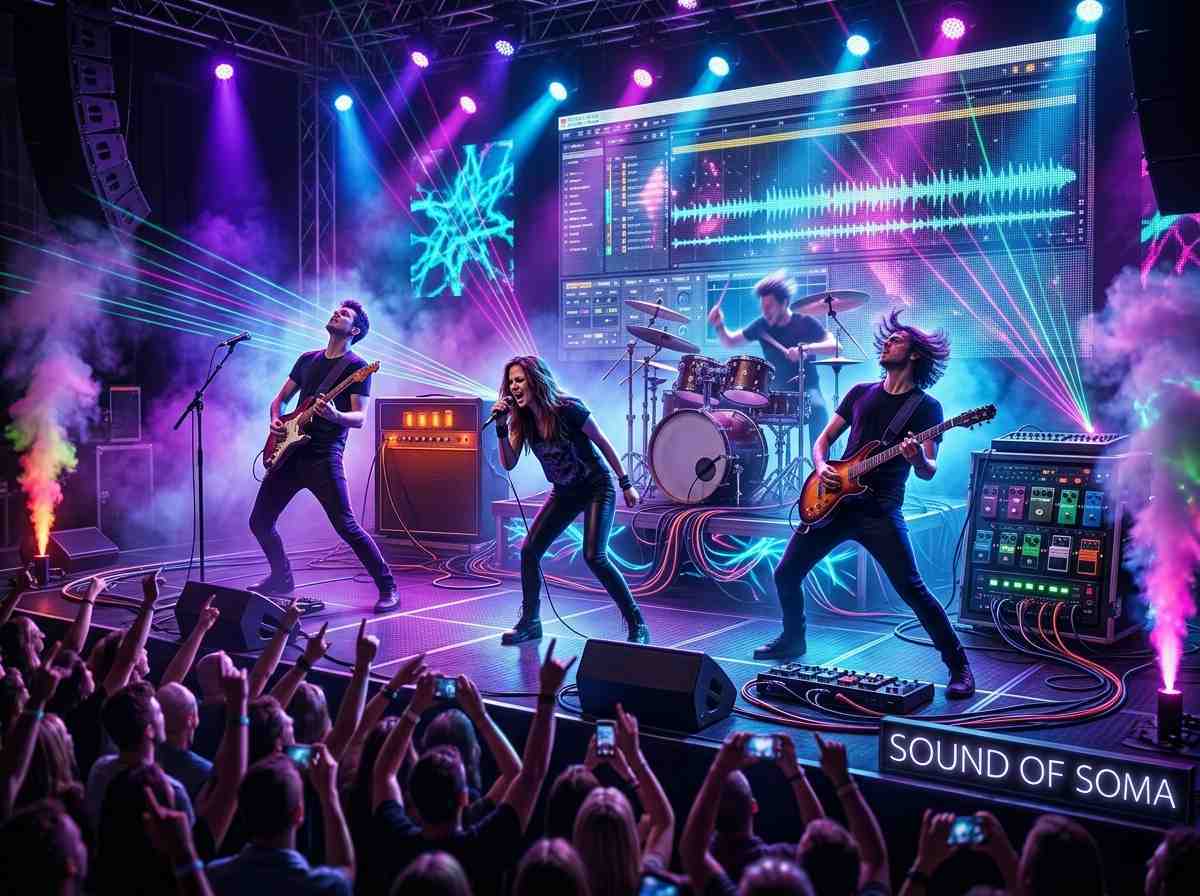
The modern soundscape is defined by the blend of pristine digital workflows and the organic, imperfect beauty of traditional acoustic performance. Today’s producers often layer dry, percussive loops beneath sweeping string sections to create a high-fidelity aesthetic that feels both futuristic and ancient [5]. Furthermore, interactive media like video games and prestige television have become the modern-day concert halls. When a show needs to anchor its narrative in profound gravitas, producers turn to the strings and woodwinds, proving that the human hunger for authentic, acoustic resonance remains a vital counterbalance to our increasingly sterile, algorithmic world.
Conclusion
Ultimately, classical music is far from a stagnant museum piece; it is the source code for everything we hear today. By bridging the gap between the concert hall and the bedroom studio, we gain a deeper respect for the craft. To appreciate music in the 21st century is to recognize the "why" behind the "what."
- Listen Actively: Try listening to an entire symphonic movement without distraction to engage with its long-form narrative.
- Analyze Structure: Look for recurring motifs in your favorite film scores to see how they guide the emotional arc.
- Explore Context: Research the historical background of a piece; knowing a composer's personal struggle can transform your interpretation of their work.
References
- Berman, J. (2023). The Symphony and the Modern Digital Build-Up. Classical Music Research Journal. View source
- Smith, L. (2022). Leitmotifs in Cinema: From Wagner to Williams. Film Music Quarterly. View source
- Harding, A. (2021). Bach and the Origins of Multi-Layered Production. Audio Engineering Archive. View source
- Davis, M. (2024). The Role of Active Listening in the Age of Streaming. Digital Soundscapes Review. View source
- Roberts, S. (2023). Blending Organic and Synthetic: The Future of Orchestral Sound. Modern Production Weekly. View source

Hello, I'm Ahmed Saleh. My journey began with Music Production, but over the last 9 years, my passion for music and entertainment writer breaking down songs, production techniques, and how soundtracks shape emotion. has shaped my voice as a writer—reflective, grounded, and always curious.