Editor's brief
A brutal season finale prioritizes emotional impact over logical consistency, using deceptive pacing and a devastating betrayal to leave viewers reeling. By leveraging psychological triggers and a scorched-earth cliffhanger, the show transforms its audience into a community of obsessed detectives waiting for answers.
#TV analysis
#Storytelling
#Plot twists
#Season finale
We’ve all been there: that breathless, heart-pounding moment where a season finale stops playing fair and starts playing with your emotions. This latest episode wasn't just a conclusion; it was a calculated assault on our collective sanity. From the deceptive quiet of the opening minutes to a cliffhanger that feels like a physical blow, the showrunners didn't just wrap up a plot—they set the narrative table on fire. If you're still staring at your screen in shock, you aren't alone. Let's break down how this episode managed to deceive us, break us, and leave us desperately scrolling through Reddit for answers. The Art of the Deceptive Calm Silence in a season finale is never actually silent; it is a screaming warning. The episode opened with a stillness that felt less like a breather and more like the atmospheric pressure dropping before a Category 5 hurricane. By stripping away the frantic editing and overlapping dialogue, the show created a sensory vacuum, forcing us to lean in and making the inevitable crash feel more violent. It was a psychological trick designed to lower our defenses, convincing us that we were finally being granted a reprieve. The most alarming red flag was seeing the protagonists actually getting along. In high-stakes streaming series, genuine harmony between lead characters is often emotional scaffolding; the narrative builds a higher pedestal specifically so the fall hurts more. This is a staple of tragedy—you cannot have a devastating betrayal unless...
We’ve all been there: that breathless, heart-pounding moment where a season finale stops playing fair and starts playing with your emotions. This latest episode wasn't just a conclusion; it was a calculated assault on our collective sanity. From the deceptive quiet of the opening minutes to a cliffhanger that feels like a physical blow, the showrunners didn't just wrap up a plot—they set the narrative table on fire. If you're still staring at your screen in shock, you aren't alone. Let's break down how this episode managed to deceive us, break us, and leave us desperately scrolling through Reddit for answers.
The Art of the Deceptive Calm
Silence in a season finale is never actually silent; it is a screaming warning. The episode opened with a stillness that felt less like a breather and more like the atmospheric pressure dropping before a Category 5 hurricane. By stripping away the frantic editing and overlapping dialogue, the show created a sensory vacuum, forcing us to lean in and making the inevitable crash feel more violent. It was a psychological trick designed to lower our defenses, convincing us that we were finally being granted a reprieve.

The most alarming red flag was seeing the protagonists actually getting along. In high-stakes streaming series, genuine harmony between lead characters is often emotional scaffolding; the narrative builds a higher pedestal specifically so the fall hurts more. This is a staple of tragedy—you cannot have a devastating betrayal unless the audience first believes in the possibility of a happy ending. Seeing the group in sync didn't feel like a resolution; it felt like a countdown.
The cinematography worked overtime to gaslight the audience. Soft, warm lighting and lingering wide shots emphasized stability, utilizing a steady, gliding motion instead of the jittery energy that usually defines the show's conflict. The images told us we were safe, while the narrative rhythm told us to run for cover. This illusion lasted exactly five minutes, serving as the perfect foil for the carnage that followed.
The Sarah Shift: Plant and Payoff
The second Sarah finally flipped the switch, the internet underwent a collective nervous breakdown. It was the kind of plot twist that makes you want to hurl your remote at the screen, not because it felt cheap, but because the payoff was so visceral. For weeks, social media feeds were a battleground of "Sarah is too pure" versus "Sarah is the mole." Seeing the latter proven right felt like a physical blow to everyone who spent the season defending her.
The writing team didn't actually trick us; they relied on our desperate need for a "found family" arc. The clues were there as early as episode three, specifically that cold, lingering glance she gave the group when they weren't looking. This is a classic "plant and payoff" technique, where seeds of doubt are sown early so the resolution feels earned. We saw the red flags, but we chose to ignore them because the "power of friendship" is a narrative drug we’re all addicted to.

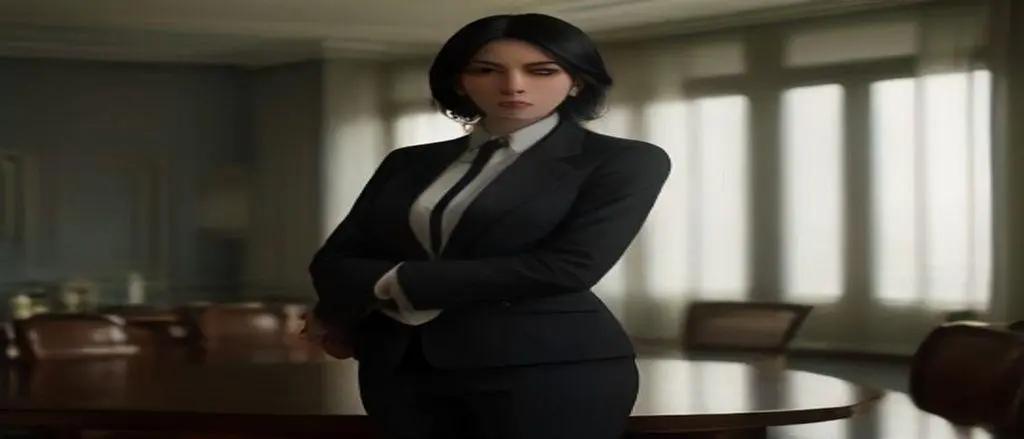
Her reveal monologue was a study in manipulation. Sarah didn't just admit to the betrayal; she reframed the entire season to make the protagonists look like the architects of their own downfall. The way she pivoted from a soft, comforting tone to a clinical, detached coldness elevated her from a simple traitor to a genuine antagonist. Dressing her in the most sophisticated outfit of the season for her moment of maximum cruelty played perfectly into the "wolf in sheep's clothing" trope.
Emotional Carnage and the Anti-Hero Pivot
There is a specific kind of cruelty in watching a character spend ten episodes growing only to have their progress incinerated in the final forty minutes. Leo’s mental collapse was the centerpiece of this chaos, handled with a stylized precision that felt almost clinical. His descent echoed the high-tension breakdowns seen in shows like The Bear, where panic becomes a performance.
This shift pushes the series fully into the "anti-hero" era, stripping away moral binaries to leave us with a cast of people who are simply different shades of compromised. Much like the early seasons of Game of Thrones, the concept of a "good guy" has become a liability. Now, the hero is simply whoever happens to be the least destructive person in the room.
Even as the dialogue devolved into shouting matches during the obligatory "rainstorm epiphany," the rhythm of the writing kept the scenes from sliding into soap opera territory. The sheer speed of the "heel turn"—watching a sweetheart transform into a menace in under an hour—highlighted how fragile stability actually is. That weaponized intimacy created a lethal energy, making the betrayal feel personal, visceral, and entirely inevitable.
Plot Armor and Cinematic Amnesia
Of course, we have to address the "cinematic amnesia" that kicks in during a finale, where the laws of physics become mere suggestions. The villain’s sudden migration from the penthouse to the basement in roughly three seconds was a triumph of compressed geography. It’s a common shortcut in streaming series where pacing overrides the need for a logical floor plan, effectively turning a luxury high-rise into a magical portal to ensure the confrontation happens before the credits roll.
Then there is the protagonist's plot armor, which has officially reached military-grade shielding. There is a fine line between a character being resilient and being mathematically impossible to kill. When logic leaps become this wide, we enter a state of willing suspension of disbelief, choosing the thrill of the moment over the sanity of the plot.

This thrill was heavily subsidized by a soundtrack that hit dissonant chords exactly when our hearts were failing. In film scoring, this is often used to manipulate the audience's emotional state so they don't notice narrative gaps; if the music tells you it's a tragedy, you'll feel the grief even if the internal logic is falling apart. Combined with baffling wardrobe choices—like wearing pristine white to a bloodbath—the show committed hard to spectacle over logic. We didn't get a watertight script, but we got a visual feast.
The Hard Cut and the Void
The screen didn’t just fade; it slammed shut right as the door creaked open. This is the cinematic equivalent of a jump scare that never actually jumps—a hard cut to black that leaves the viewer suspended in perpetual tension. This utilizes the Zeigarnik Effect, a psychological phenomenon where people remember uncompleted or interrupted tasks better than completed ones [1]. By denying us the payoff of seeing who was behind that door, the writers have ensured the finale lives rent-free in our heads.
This wasn't a "soft" cliffhanger; it was a scorched-earth policy. The show has transitioned from a story about resolution to a story about anticipation. Streaming services now design finales for "social currency," fueling discourse on platforms like Reddit and X to keep the show trending long after the episode ends. We are no longer just viewers; we are unpaid investigators piecing together frames to solve a puzzle that the writers might not have even finished solving themselves.
Predicting the Aftermath
The writers have painted themselves into a narrative corner, and watching them wiggle out of it will be the highlight of next season. Because this betrayal was so visceral, the show can no longer return to the status quo. We can expect the following season to function as a fallout study, focusing on broken alliances and the agonizing silence of characters who no longer know how to speak to one another.
If the production follows the industry playbook for "unsolvable" cliffhangers, we might see a sudden time jump or a convenient bout of amnesia to reset the dynamics. Alternatively, the "clone theory" currently setting the fandom on fire could be the answer. Pivoting to a double-identity plot would be a way to explain inconsistent character behavior while adding existential dread, transforming the show into a study of identity similar to Orphan Black.
The real danger now is the "mystery box" trap—the fine line between a slow burn and a narrative that refuses to provide answers. If the payoff doesn't match the buildup, the tension will evaporate. As for Sarah, the most satisfying route would be to let her stay absolutely chaotic. Modern viewers have a high appetite for the unredeemable antagonist; a forced apology tour would be boring. Seeing a character fully embrace their villainy is far more compelling than a sanitized redemption arc.
Conclusion
This finale succeeded because it understood that emotional impact outweighs logical consistency. By leveraging visual irony, the Zeigarnik Effect, and a brutal "plant and payoff" betrayal, the show has turned its audience into a community of obsessed detectives. While the plot holes are wide enough to drive a truck through, the character stakes are higher than ever.
The practical takeaway for surviving the wait? Embrace the theory culture. The space between the finale and the premiere is where the community truly lives. Dive into the forums, debate the clone theories, and enjoy the chaos—because the only thing more agonizing than the mystery is pretending you aren't counting down the seconds until the next trailer drops.
References
- Bluma Zeigarnik, "On Finished and Unfinished Tasks," 1927.

Hi, I'm Amelia Reyes. My work is influenced by my time in Film Studies and my experiences living in Philippines. After 8 years in this space, I focus on exploring entertainment critic through a human-centered lens.