
Editor's brief
The refrigerator has evolved from a simple cooling box into an AI-powered kitchen hub. By integrating precision climate control and smart inventory management, these appliances reduce food waste and energy consumption, though they introduce new challenges regarding software longevity and digital dependency.
#Smart Appliances
#Kitchen Technology
#Sustainable Living
#Home Automation
For decades, the refrigerator was a hidden utility—a heavy white box tucked into a corner or disguised by cabinetry. Its primary requirement was simple: maintain a consistent temperature via a mechanical dial that offered a vague approximation of "cold" or "colder." Now, the refrigerator has moved from the periphery to the center of the kitchen, evolving into a multifunctional hub that manages domestic flow as much as it preserves produce. This evolution reflects a shift in home efficiency, where appliances are no longer isolated tools but interconnected systems designed to optimize the daily routine. From Mechanical Cooling to Precision Climate Control The mechanical heart of the refrigerator has evolved from a binary "on-off" system to a nuanced, variable process. Traditional compressors operate like a light switch, running at full power until a target temperature is reached and then shutting off, which creates energy spikes and mechanical wear. Modern high-end models utilize inverter compressors that function more like a dimmer switch, adjusting speed in real-time to maintain a constant temperature. This modulation lowers baseline power consumption and eliminates the jarring mechanical thrum common in older units, replacing it with a low-frequency hum that blends into an open-concept living space. This hardware efficiency enables specialized climate zones. Rather than a single, uniform temperature, modern engineering allows a unit to maintain a deep freeze in one compartme...
For decades, the refrigerator was a hidden utility—a heavy white box tucked into a corner or disguised by cabinetry. Its primary requirement was simple: maintain a consistent temperature via a mechanical dial that offered a vague approximation of "cold" or "colder." Now, the refrigerator has moved from the periphery to the center of the kitchen, evolving into a multifunctional hub that manages domestic flow as much as it preserves produce. This evolution reflects a shift in home efficiency, where appliances are no longer isolated tools but interconnected systems designed to optimize the daily routine.
From Mechanical Cooling to Precision Climate Control
The mechanical heart of the refrigerator has evolved from a binary "on-off" system to a nuanced, variable process. Traditional compressors operate like a light switch, running at full power until a target temperature is reached and then shutting off, which creates energy spikes and mechanical wear. Modern high-end models utilize inverter compressors that function more like a dimmer switch, adjusting speed in real-time to maintain a constant temperature. This modulation lowers baseline power consumption and eliminates the jarring mechanical thrum common in older units, replacing it with a low-frequency hum that blends into an open-concept living space.

This hardware efficiency enables specialized climate zones. Rather than a single, uniform temperature, modern engineering allows a unit to maintain a deep freeze in one compartment while keeping a deli drawer or wine chiller at a precise, slightly higher temperature. By isolating humidity levels, these appliances extend the lifespan of food and prevent issues like freezer burn on delicate greens. Some systems now employ AI to learn household patterns, pre-cooling the interior during high-traffic windows—such as the morning rush—to compensate for the loss of cold air and prevent the temperature fluctuations that lead to spoilage.
Active Food Management and Waste Reduction
The cognitive load of managing a household often peaks at the grocery store. The integration of internal wide-angle cameras and AI-driven object recognition addresses this friction point, allowing users to view a live feed of their shelves via a smartphone. This shift toward visual inventory management is augmented by sensors capable of detecting ethylene gas—the ripening agent emitted by fruits and vegetables—to alert users when produce is nearing its peak.
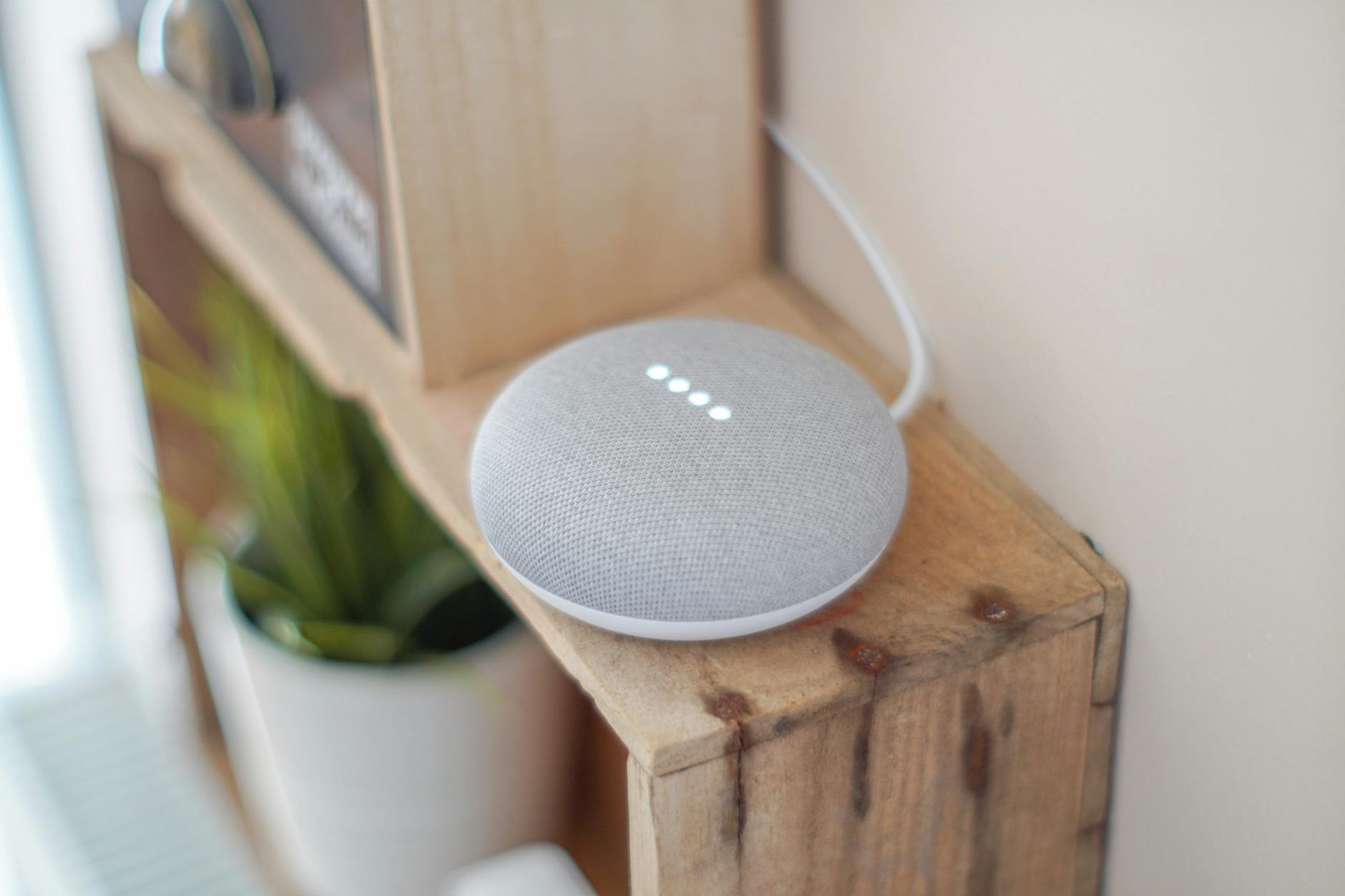
This data feeds directly into recipe suggestion engines. Rather than searching for a meal and realizing key ingredients are missing, the system analyzes current stock and proposes dishes that utilize what is already available. When paired with voice control, the utility becomes practical; adding a missing item to a digital shopping list without wiping flour-covered hands on a towel improves the physical flow of the kitchen. The ultimate goal is a transition from "seeing" to "weighing," with the integration of load cells—weight sensors built into shelving—offering a more reliable method of automated replenishment for staples like milk or butter.
The Kitchen as a Connected Ecosystem
Because we gravitate toward the refrigerator dozens of times a day, the door has naturally evolved into a command center. By integrating with home automation protocols, the appliance stops functioning in isolation. The industry is shifting toward universal standards like Matter and Thread, which allow devices from different brands to communicate seamlessly [1]. This interoperability means a refrigerator can act as a centralized hub, aggregating data from a smart leak detector under the sink or triggering a "welcome" scene that adjusts kitchen lighting as you enter the room.

This synergy extends to other kitchen appliances to create a synchronized timeline for meal preparation. A smart refrigerator can signal a smart oven to begin preheating the moment a specific protein reaches a safe temperature for cooking, mirroring the precision of a professional galley. However, this connectivity introduces new vulnerabilities. Every connected appliance is a node on a local network, necessitating secure passwords and regular firmware updates to protect the home network from cybersecurity threats.
Engineering for Energy Efficiency and Sustainability
Beyond the software, the physical construction of the cabinet has evolved to minimize thermal leakage. Vacuum insulation panels (VIPs) are increasingly replacing traditional polyurethane foam. These panels use a porous core in an airtight envelope from which air has been removed, providing superior insulation in a thinner profile. This allows for larger interior volume without increasing the exterior footprint of the appliance.

Energy efficiency is managed through AI that shifts energy-intensive cooling cycles to off-peak hours, coordinating with local utility grids to reduce costs. While Energy Star ratings provide a theoretical baseline, smart monitoring allows households to track actual kilowatt-hour usage in real-time. This visibility often shifts user behavior—such as reducing the time the door stays open—leading to a lower carbon footprint than the rating alone would predict. The industry is also transitioning toward natural refrigerants like R600a (isobutane), which have a significantly lower global warming potential than older hydrofluorocarbons [2].
Design, Durability, and the Value Contradiction
In a professional kitchen design, the goal is seamless flow. A smart refrigerator elevates a space only if its integration feels intentional. The physical interfaces must withstand a hostile environment of airborne lipids, steam, and humidity. Current standards utilize chemically strengthened glass and oleophobic coatings to resist fingerprints and grime, ensuring the screen does not become a maintenance burden.

However, there is a fundamental contradiction in the value of these machines. While the compressor and chassis are engineered to last fifteen years, the embedded software and screens follow the depreciation curve of a smartphone. There is a risk that the "smart" capabilities will become sluggish or obsolete long before the cooling system fails. This shifts the nature of ownership from mechanical maintenance to software dependency; if a manufacturer ceases support for a specific OS, the interface can become an unresponsive slab of glass.
Conclusion
The best fridge 2024 models are those that successfully decouple the smart interface from the core cooling hardware, ensuring that food remains preserved even if the software glitches. For the power user managing a complex household, the reduction in mental labor provided by AI inventory and home automation is a tangible benefit. For others, these features may remain a high-tech novelty.

The practical takeaway for any homeowner is to evaluate a smart refrigerator based on the specific, recurring problems it solves. If you struggle with food waste, ethylene sensors and internal cameras are invaluable. If you manage a chaotic family schedule, the integrated command center is a victory. A smart refrigerator is a worthy investment only when its intelligence reduces actual friction in your daily life, rather than adding a new layer of digital complexity to the heart of your home.
References
- Connectivity Standards Alliance, "Matter Specification," 2023.
- International Electrotechnical Commission, "IEC 60335-2-89: Safety of household and similar electrical appliances - Particular requirements for refrigerators, freezers and ice-makers," 2021.

Hi! Elena Novak here. My background in Interior Architecture and my experiences over 13 years have made me deeply engaged with home and lifestyle writer who helps readers design comfortable, functional, and beautiful spaces on realistic budgets.. I write to share perspectives, spark ideas, and make complex topics feel human.