
Editor's brief
The gap between shrinking forest acreage and failing ecosystem health creates a dangerous illusion of stability. While agricultural expansion and climate change drive loss, securing Indigenous land rights offers a proven path toward genuine restoration and atmospheric stability.
#Deforestation
#Forest Degradation
#Climate Change
#Indigenous Rights
The stability of the Earth's biosphere depends on the persistence of its forest cover, yet the critical distinction between a shrinking forest and a failing one is frequently overlooked. While global discourse often centers on total acreage lost, the crisis of deforestation involves a complex interplay of land conversion, ecosystem degradation, and the systemic failure to protect the stewards of the land. Moving beyond superficial reforestation requires a scientific understanding of these mechanisms to implement genuine ecosystem restoration. Defining the Scope: Deforestation vs. Forest Degradation Effective conservation requires a precise distinction between deforestation and forest degradation. According to the Food and Agriculture Organization (FAO) Global Forest Resources Assessment (FRA), deforestation is the purposeful conversion of forest land to other uses, whether driven by human activity or natural events [1]. Forest degradation is a separate process where the forest area remains intact, but the ecosystem loses its capacity to provide essential services, such as wildlife habitat and watershed protection [2]. Data indicates that forests cover approximately 4.14 billion hectares, or about 32% of global land area, with 45% of these forests located in the tropics [1]. A deceptive nuance exists in the trends: while the annual rate of net forest loss decreased from 10.7 million hectares (1990–2000) to 4.12 million hectares (2015–2025), gross deforestation remains high at...
The stability of the Earth's biosphere depends on the persistence of its forest cover, yet the critical distinction between a shrinking forest and a failing one is frequently overlooked. While global discourse often centers on total acreage lost, the crisis of deforestation involves a complex interplay of land conversion, ecosystem degradation, and the systemic failure to protect the stewards of the land. Moving beyond superficial reforestation requires a scientific understanding of these mechanisms to implement genuine ecosystem restoration.
Defining the Scope: Deforestation vs. Forest Degradation
Effective conservation requires a precise distinction between deforestation and forest degradation. According to the Food and Agriculture Organization (FAO) Global Forest Resources Assessment (FRA), deforestation is the purposeful conversion of forest land to other uses, whether driven by human activity or natural events [1]. Forest degradation is a separate process where the forest area remains intact, but the ecosystem loses its capacity to provide essential services, such as wildlife habitat and watershed protection [2].
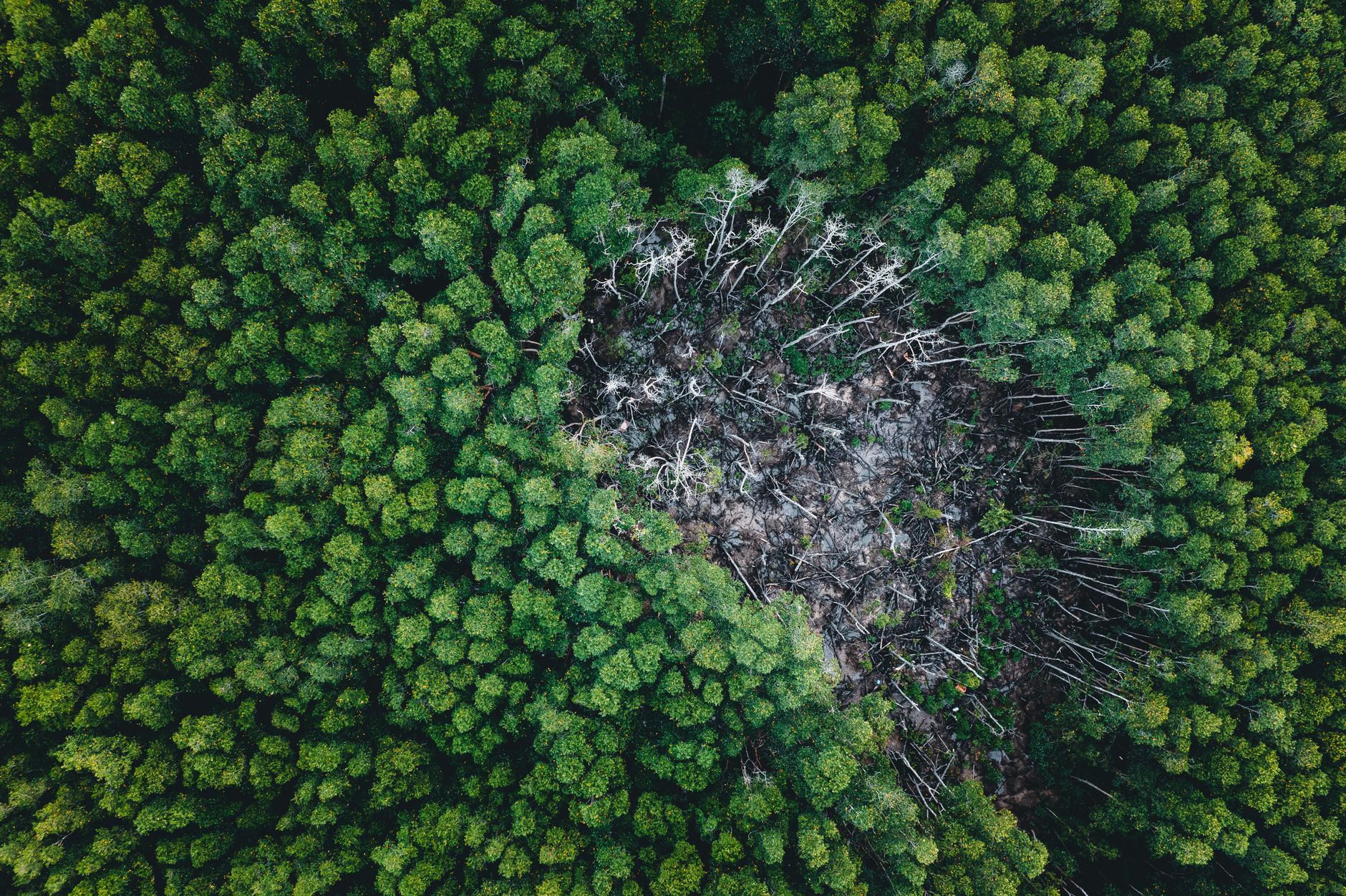
Data indicates that forests cover approximately 4.14 billion hectares, or about 32% of global land area, with 45% of these forests located in the tropics [1]. A deceptive nuance exists in the trends: while the annual rate of net forest loss decreased from 10.7 million hectares (1990–2000) to 4.12 million hectares (2015–2025), gross deforestation remains high at approximately 10.9 million hectares per year [1]. This discrepancy reveals a significant ecological trade-off; the replacement of primary, old-growth forests with monoculture plantations may offset acreage loss, but it fails to restore the complex biological functions and carbon-sequestering depth of original wilderness.
Primary Drivers of Global Forest Loss
Forest loss results from a convergence of economic pressures and environmental feedback loops. Agricultural expansion is the dominant driver, propelled by large-scale agribusiness for high-value commodities like soy and palm oil, alongside extensive cattle ranching [3]. This is most acute in the Amazon, where an estimated 17% of the forest has been lost over the last 50 years [3].
Industrial logging contributes approximately 14% to global deforestation to meet demand for pulp, paper, and timber [3]. Infrastructure development and mining further exacerbate the crisis; the construction of roads and the extraction of gold and oil not only remove canopy cover but fragment the remaining landscape, opening remote interiors to further encroachment [3].
These human activities are now compounded by anthropogenic climate feedback. Rising temperatures and altered precipitation patterns increase the frequency and severity of wildfires [3]. Consequently, deforestation has evolved from a series of isolated clearing events into a self-reinforcing cycle where climate change destroys the very carbon sinks required to mitigate it, accelerating the path toward regional ecological collapse.
Mechanisms of Impact on Climate Stability and Biodiversity
Forests act as critical carbon sinks, absorbing roughly 16 billion metric tonnes of CO2 annually [4]. When cleared or burned, they transition from absorbers to net emitters, with deforestation contributing between 11% and 21% of total global greenhouse gas emissions [4]. Some regions have already reached a critical tipping point; the south-eastern Amazon has shifted to a net carbon source [5]. By 2023, the broader Amazon basin became a "weak source" of carbon, driven by severe drought and temperatures averaging 1.5°C above the 1991-2020 mean [5].
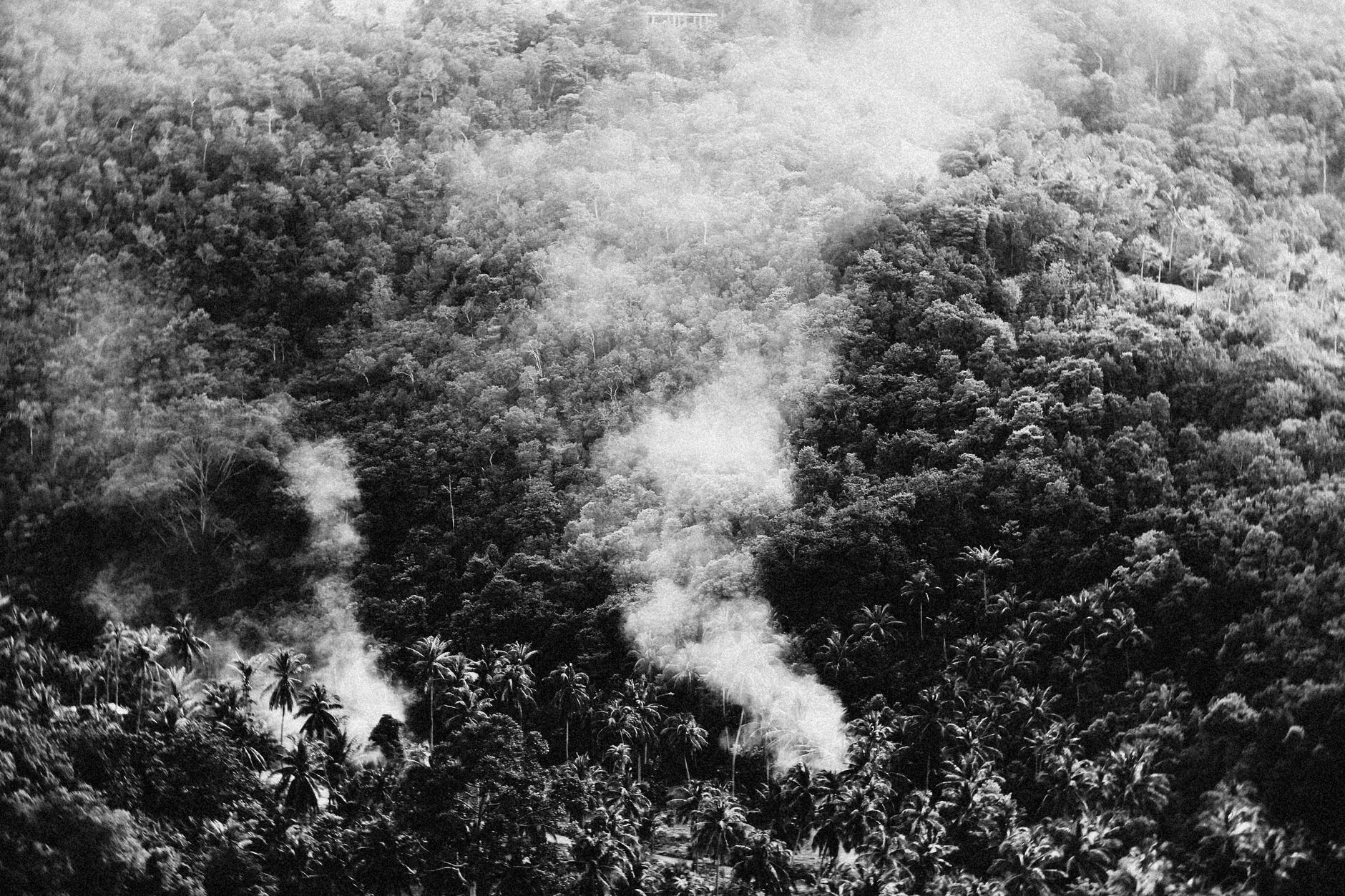
The biological cost is equally severe. Forests house more than 80% of terrestrial biodiversity, and their removal triggers rapid habitat fragmentation and species extinction [6]. It is estimated that 137 species of plants, animals, and insects are lost daily [6]. Furthermore, the loss of tree cover disrupts the hydrologic cycle by removing natural buffers against soil erosion and landslides [6]. This disruption increases the vulnerability of human and natural populations to extreme weather, ranging from prolonged droughts to catastrophic flash floods.
Impacts on Local and Indigenous Communities
Deforestation is as much a human rights crisis as an environmental one. Indigenous peoples constitute less than 6% of the global population but steward between 25% and 28% of the world's land surface, protecting the majority of remaining global biodiversity [7]. The efficacy of this stewardship is quantifiable: deforestation rates in forests where Indigenous land rights are legally secure are two to three times lower than in similar lands lacking such protections [7].

The seizure of these lands erodes traditional livelihoods and public health by destroying medicinal plants and disrupting traditional diets, which increases malnutrition and water insecurity [8]. Deforestation is frequently accompanied by land grabs and violence against land defenders, resulting in the erasure of sacred sites and irreplaceable cultural heritage [8]. This evidence suggests that the most effective conservation strategy is not a technical fix, but a legal one: the formal, unconditional recognition of Indigenous land tenure.
Global Solutions and Their Limitations
Several international frameworks attempt to mitigate forest loss. The UNFCCC's REDD+ (Reducing Emissions from Deforestation and Forest Degradation) provides financial incentives to developing nations to manage forests sustainably [9]. This is complemented by sustainable forestry certifications, such as those from the Forest Stewardship Council (FSC), and the establishment of protected areas which now cover one-fifth of the world's forests [10].
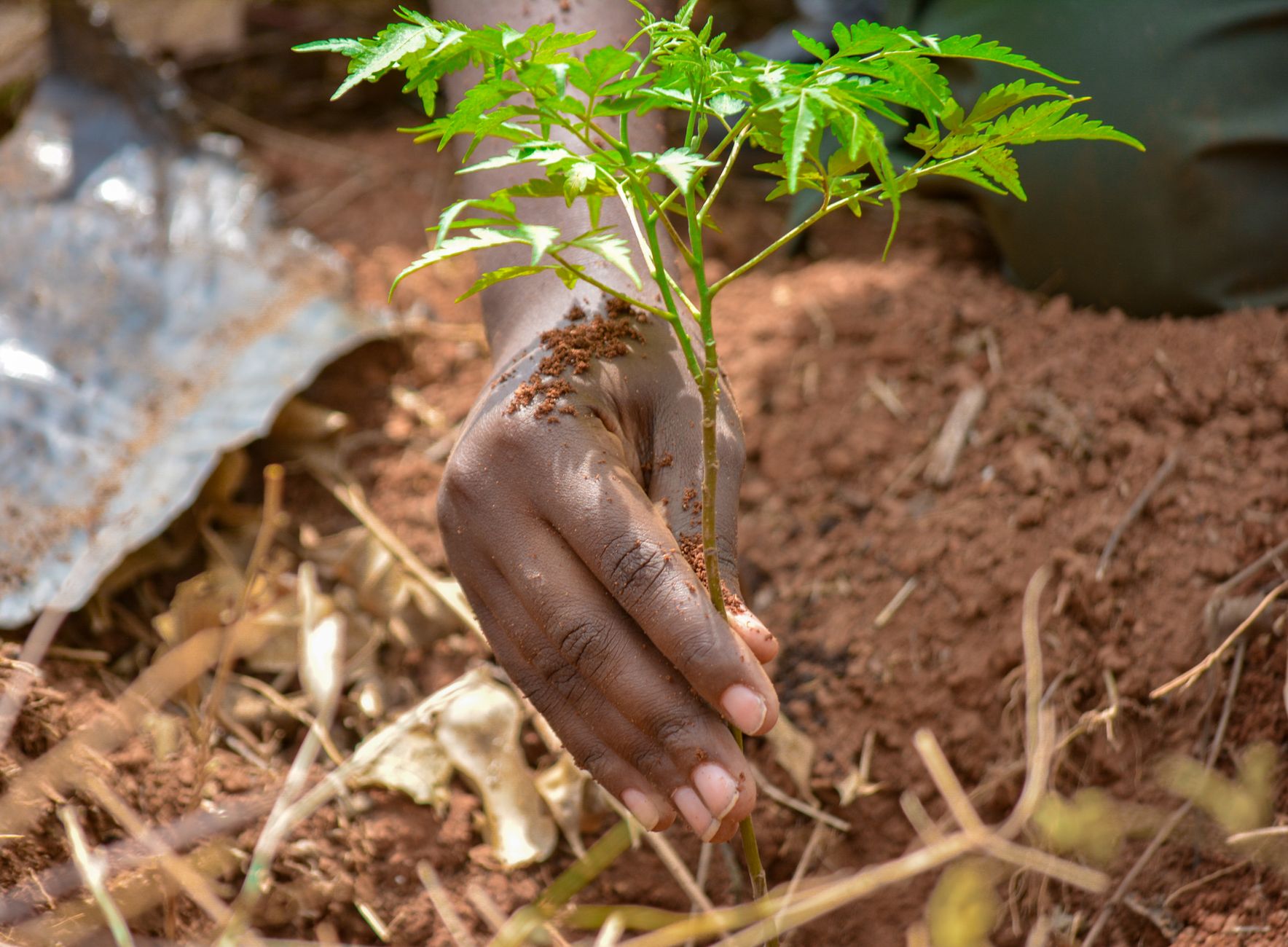
However, these mechanisms have systemic limitations. REDD+ has faced criticism for "greenwashing," where carbon credits allow polluters to maintain emissions levels elsewhere while potentially displacing local communities [9]. Additionally, "leakage" occurs when protecting one forest area simply shifts deforestation activities to an adjacent, unprotected region [9]. While certifications and protected areas are necessary tactical tools, they cannot succeed without a fundamental shift in the global economic demand for the commodities that drive forest destruction.
References
- Food and Agriculture Organization of the United Nations, "Global Forest Resources Assessment 2020," FAO, 2020. View source.
- Food and Agriculture Organization of the United Nations, "Forest degradation and its impact on ecosystem services," FAO, 2025. View source.
- World Wildlife Fund, "Drivers of Deforestation and Forest Degradation," WWF, 2024. View source.
- Global Forest Watch, "The Carbon Cycle and Forest Loss," World Resources Institute, 2024. View source.
- Nature, "The Amazon has become a net carbon source," Nature, 2023. View source.
- Conservation International, "Biodiversity Loss and the Hydrologic Cycle," Conservation International, 2024. View source.
- Rights and Resources Initiative, "Indigenous Peoples and Forest Conservation," RRI, 2024. View source.
- Survival International, "The Human Cost of Deforestation," Survival International, 2024. View source.
- UNFCCC, "REDD+ Framework and implementation," United Nations Framework Convention on Climate Change, 2024. View source.
- Forest Stewardship Council, "FSC Certification and Protected Areas," FSC, 2024. View source.

Hello, I'm Noah Patel. Growing up in India shaped much of how I see the world, and after 12 years working around environment and science reporter covering climate risk, conservation, and solutions for more sustainable living., I’ve learned to write in a way that’s both thoughtful and honest.